
Let’s be honest with ourselves for a second: watching the Indianapolis Colts over the last few years has felt less like following an NFL team and more like being trapped in a Groundhog Day experiment funded by mid-round draft picks.
Every single offseason follows the same script. General Manager Chris Ballard sits at the podium, uses words like “process,” “value,” and “draft and develop,” then sits out free agency like a man who thinks salary cap space carries over into his 401(k). Then September hits, the roster lacks basic depth at critical premium positions, and fans are treated to another season of aggressively mediocre football.
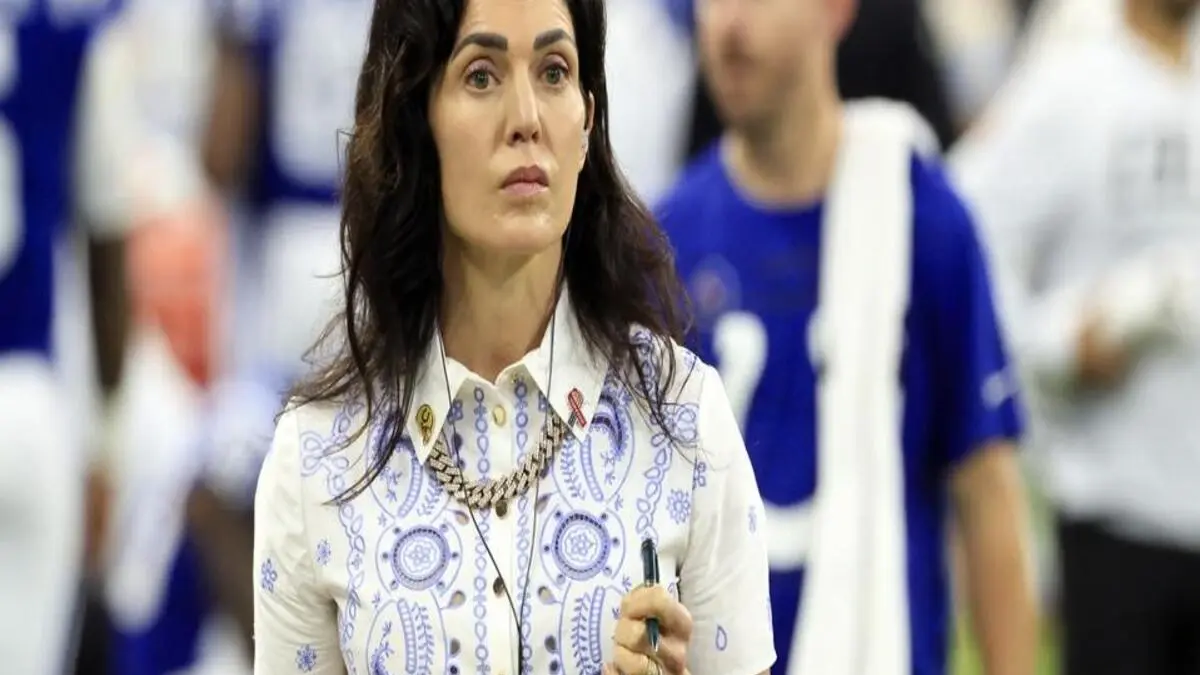
It’s exhausting. And frankly, the late, great Jim Irsay’s era of passion, instinct, and unpredictable sentimentality was something special, but it is time to turn the page. Owner and CEO Carlie Irsay-Gordon has to make her first truly defining executive decision: fire Chris Ballard, clear out the stale ideology in West 56th Street, and build this franchise in her own image.
The Endless “Process” That Never Actually Arrives
If you look up the word “purgatory” in the dictionary, there’s a decent chance you’ll find a picture of Chris Ballard’s win-loss record since Andrew Luck’s sudden retirement.
Nobody denies that Ballard is a charming press-conference quote or that he can scout a day-two linebacker or interior offensive lineman like nobody’s business. But football in the modern NFL isn’t won by hoarding comp picks and stockpiling elite guards. It’s won by taking calculated, aggressive risks on modern difference-makers quarterbacks, pass-rushers, and explosive perimeter playmakers.
Ballard’s approach has been defined by a deep-seated risk aversion. His strategy relies on everything going 100% right with dynamic young talent or short-term stopgaps, leaving zero margin for error when reality hits. When injuries happen—as they inevitably do in professional football—the depth falls off a cliff. The result? A franchise locked in neutral, endlessly hovering between 7-10 and 9-8, missing out on real playoff contention while simultaneously picking too low in the draft to land true superstar blue-chippers.
Holding on to a process that yields zero division titles over nearly a decade isn’t patience anymore; it’s stubbornness. It time to for the Colts to move on from we like our guys the same routine answer Chris Ballard gives at the start of every league year.
Moving Out of Jim Irsay’s Shadow
Jim Irsay was beloved in Indianapolis for his big heart, his willingness to treat Colts players like family, and his rock-and-roll ethos. But Jim’s loyalty was also his ultimate Achilles’ heel. He stood by executives and front-office figures long past their expiration dates out of sentimental attachment and a belief in second (and third, and fourth) chances.
Carlie Irsay-Gordon didn’t just inherit this team overnight; she worked her way through ticket sales, marketing, and football operations over two decades. She has a background grounded in analytical rigor, executive preparation, and institutional knowledge.
Continuing to run the Colts on legacy momentum—and keeping a GM who was hired under her father’s vision nearly ten years ago—signals to the league and the fan base that nothing has truly changed. By moving on from Ballard, Carlie sends a thunderous message across Lucas Oil Stadium: this is a new era.
A team reflects the personality of its top leadership. Jim’s Colts were emotional, loud, and faithful to a fault. Carlie’s Colts should be sharp, modern, aggressive, and unsentimental about winning.
What a Modern Colts Front Office Should Look Like
What does building the Colts in Carlie Irsay-Gordon’s image actually look like?
- Aggressiveness Over Avarice: A modern GM who doesn’t view free agency as an evil necessity, but as a strategic weapon to plug holes before the draft.
- Modern Roster Construction: Prioritizing high-value positions (CB, EDGE, WR, QB) rather than over-investing cap space into non-premium spots.
- Decisive QB Management: Moving away from band-aids and half-measures to build a scheme and roster specifically tailored around modern signal-callers.
- Analytical Edge: Combining traditional scouting with modern data-driven asset management to maximize every single roster spot.
The Indianapolis fan base is fiercely loyal, but they aren’t naive. They don’t expect a Super Bowl trophy overnight, but they do expect a direction that makes sense in the current decade.
Chris Ballard had a long run, plenty of grace, and complete control over the roster. The verdict is in: the ceiling of his approach is respectable mediocrity. It’s time for Carlie Irsay-Gordon to drop the hammer, make the tough executive call, and begin crafting the future of Indianapolis football under her own vision.
 Don't stop here
Every Score. Every Story. One Home.
Breaking sports, entertainment and news from across the Total Apex network, updated all day.
Get the Full Story →
Don't stop here
Every Score. Every Story. One Home.
Breaking sports, entertainment and news from across the Total Apex network, updated all day.
Get the Full Story →