
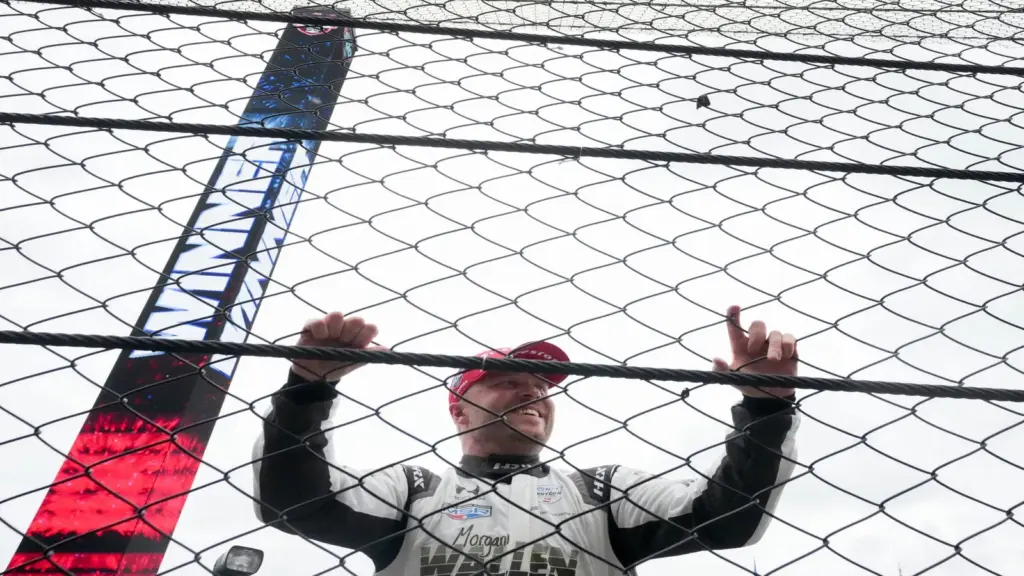
NASCAR drivers heading into Sunday’s Xfinity 500 say a change to the Next Gen car’s bumper structure could alter how contact and passing play out at Martinsville Speedway, a track where bumping has long been a routine part of racing. NASCAR removed energy-absorbing foam and softened the bumpers on the cars to discourage aggressive bumping tactics, and the adjustment arrives at the one track on the circuit most defined by close-quarters contact.
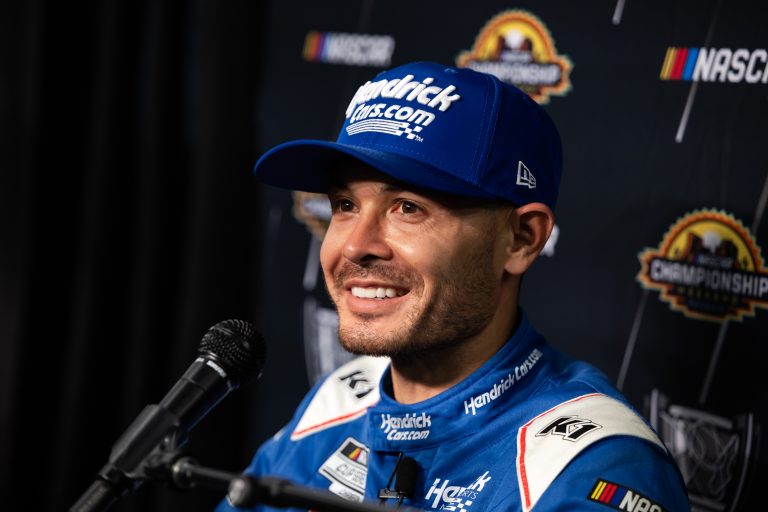
Martinsville is a 0.526-mile paperclip-shaped oval, the shortest track on the Cup Series schedule, with long straightaways that feed into tight, narrow turns. That layout has made bumping and rubbing a standard passing method for decades. Now drivers are trying to figure out how a softer bumper changes that equation on the day Kyle Larson could clinch the championship.
Why Martinsville’s Bumping Culture Makes This Change Significant
Martinsville’s short length and tight corners leave little room for drivers to pass cleanly, so contact at the bumper has become a built-in part of racing there. Cars funnel into the corners nose to tail, and nudging a competitor out of the way, or being nudged, is common on short runs and especially during the closing laps.
That history is why the softer bumper change registers differently at Martinsville than it might at a mile-and-a-half track. The energy-absorbing foam that NASCAR stripped out, along with the softened bumper structure itself, was aimed at reducing aggressive bumping tactics across the circuit. But a track built around contact is where the effect is likely to be felt first and most.
Christopher Bell Flags Restarts And Stackups As The Flashpoint
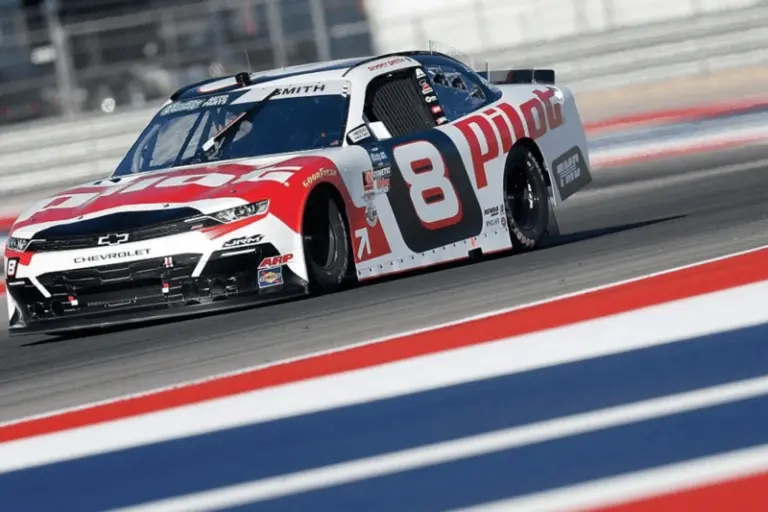
Christopher Bell, a 2022 Martinsville winner, said the bumper change could reshape specific moments in Sunday’s race more than the racing overall. Bell told FOX Sports, “That is a super critical thing that has the potential to be a really big change for Martinsville, especially the way that the restarts and stackups happen. It’s going to be a talking point for sure.”
Restarts at Martinsville routinely compress the field into tight packs as cars funnel back toward turn one, and stackups, where cars bunch up nose to tail entering the corners, are a regular sight at the track. Bell’s comment suggests the concern is less about contact during green-flag passing and more about what happens when the field bunches up at those specific points in the race.
Bell added a practical note about how he plans to manage the uncertainty in real time. “I’m going to have my spotter remind me of that all day,” he said, a sign that drivers expect the bumper change to require in-race communication rather than something they can simply account for before the green flag.
Chase Briscoe’s Approach Cuts Against The Caution
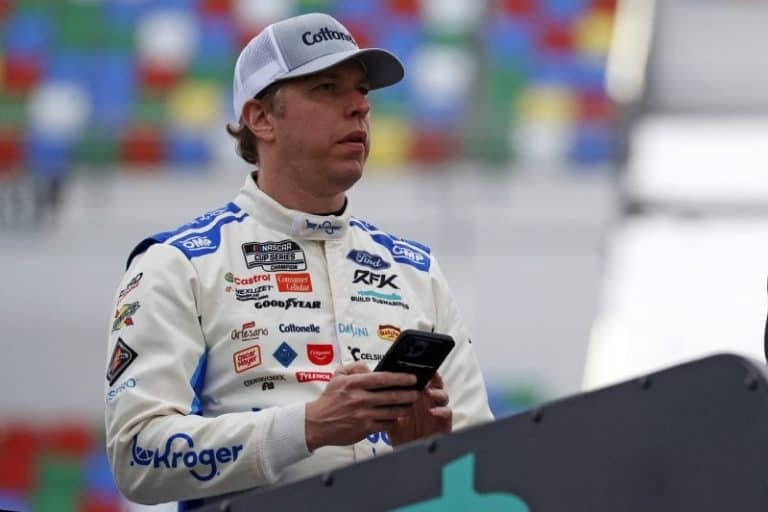
Not every driver is treating the softer bumpers as a reason to ease off. Chase Briscoe, who trails in the championship points, said he intends to be more aggressive bumping his way through the field at Martinsville. That stance stands in contrast to Bell’s cautious framing and underscores that the bumper change has not produced a single, unified approach among the contenders.
Briscoe’s position makes sense given where he sits in the standings. A driver chasing points has less incentive to protect his equipment or his track position conservatively than one defending a lead, and Martinsville has historically rewarded drivers willing to use the bumper to advance through traffic.
The Counterpoint: One Change Among Many Variables
The softer bumpers are a real adjustment, but they are not the only factor that will decide Sunday’s race. Kyle Larson enters Martinsville with a 73-point lead in the championship standings, a cushion built over a full season, and the race itself carries its own stakes independent of bumper hardware. Track position, tire wear and simple execution over 500 laps on a half-mile oval still carry more weight than any single rules tweak.
It is also worth separating what drivers are speculating about from what is confirmed. Bell called the change a “talking point” and a potential big factor, careful language that reflects uncertainty rather than a settled outcome. Briscoe’s plan to lean into aggression is itself a bet that the softer bumpers will not fundamentally punish contact the way NASCAR intended. Both approaches could be tested, and possibly disproven, over the course of a single afternoon at Martinsville.
What To Watch At The Xfinity 500
The Xfinity 500 is scheduled for 2 p.m. ET Sunday at Martinsville Speedway. The clearest test of the bumper question will come on restarts, where stackups have historically produced the track’s most consequential contact, and in the closing laps if the race comes down to a bumper-to-bumper battle for the win. How Bell, Briscoe and the rest of the field actually use, or avoid, contact once the green flag drops will determine whether the softer bumpers change Martinsville’s character or simply became a pre-race storyline.
Larson’s position atop the standings means the championship picture is also in play Sunday, adding another layer to how aggressively contenders race each other in traffic. For continuing coverage of the standings race, see Total Apex Sports’ NASCAR playoff picture and the latest on Bell and Briscoe’s climb in the standings.
 Don't stop here
Every Score. Every Story. One Home.
Breaking sports, entertainment and news from across the Total Apex network, updated all day.
Get the Full Story →