
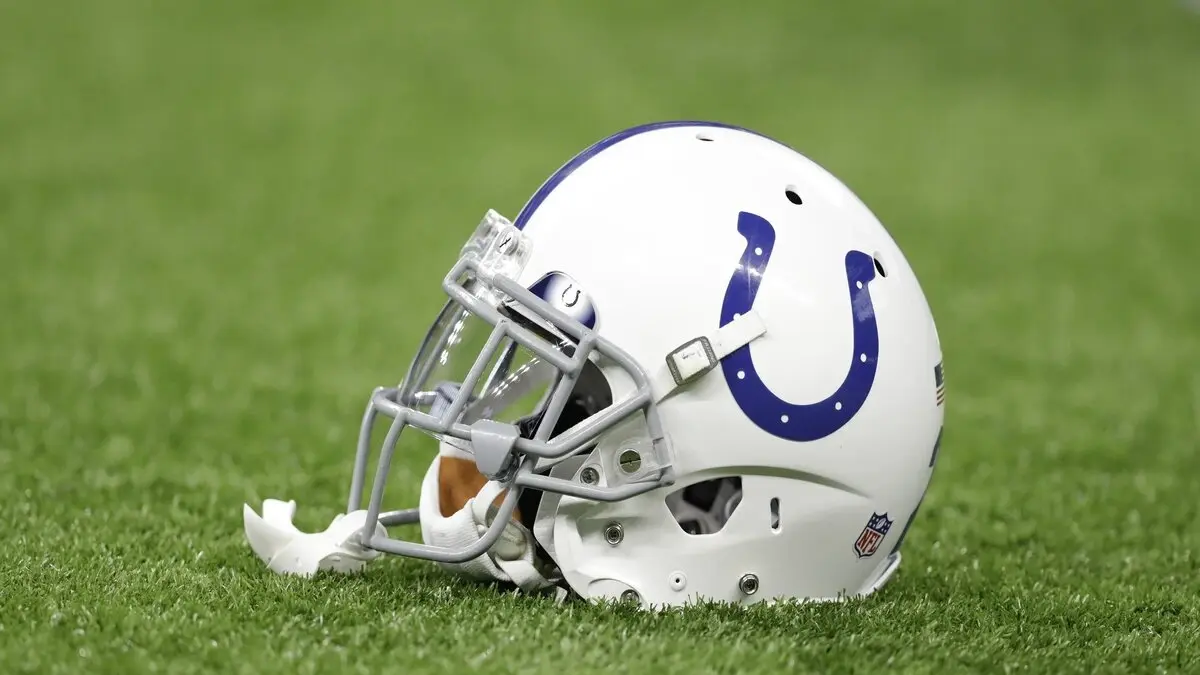
The Indianapolis Colts have turned asset mismanagement into a speedrun challenge this season. Just ten days after the November 10 NFL trade deadline, Indianapolis unceremoniously released quarterback Daniel Jones, taking a massive financial hit and walking away with no draft capital.
For an organization already reeling from firing general manager Chris Ballard last month and stripping away franchise cornerstones like Quenton Nelson and DeForest Buckner at the deadline, holding onto Jones only to cut him less than two weeks later feels like forgetting to save your game before a boss fight. Even worse, reports from ESPN and NFL Network confirm that the Colts actually had legitimate suitors willing to take the quarterback off their hands before the deadline passed.
The Baltimore Ravens Offered Actual Draft Capital
If you are looking for peak front-office comedy, look no further than the deal Baltimore put on the table. According to league insiders, the Ravens offered the Colts a fourth-round draft pick in exchange for Daniel Jones and a fifth-round selection. Better yet, the proposal included a conditional safety net: if Baltimore advanced to the postseason, Indianapolis would get that fifth-round pick right back.
Instead of taking a clean Day 3 pick and offloading a doomed contract, the Colts said no. Why? Reports indicate the interim brass felt they had already sunk too much guaranteed signing bonus money into Jones’s lucrative deal—which featured over $60 million in reported guarantees—to simply ship him out. That classic sunk-cost fallacy lasted all of two games. Following a brutal 26-3 Thursday night loss to the Houston Texans, where Jones threw for just 144 yards and an interception, Indianapolis pulled the plug anyway. Baltimore kept its fourth-rounder, and Indy got a shiny new dead-cap headache.
The Minnesota Vikings Couldn’t Even Get a Straight Answer
Baltimore wasn’t the only franchise kicking the tires on a mid-season quarterback rescue mission. The Minnesota Vikings also checked in with Indianapolis ahead of the November 10 cutoff. A move to Minnesota made plenty of sense on paper; Jones previously spent time on the Vikings’ practice squad before arriving in Indianapolis, giving him familiarity with Kevin O’Connell’s system.
However, Minnesota never submitted a formal offer. Sources revealed that the Vikings walked away from the negotiating table simply because the Colts couldn’t articulate what they actually wanted in return. While Indy hemmed and hawed over its own asking price, Minnesota pivoted and acquired Kirk Cousins from the Las Vegas Raiders for a third-round pick instead. Ironically, using Jones as a leverage smokescreen may have helped the Vikings lower the price on Cousins, leaving the Colts holding the bag while another NFC contender solved its quarterback depth.
Why Indianapolis Finally Pulled the Plug
Watching the Colts’ November roster strategy unfold has been exhausting for fans in Indiana. After handing Jones a massive contract to build on last year’s momentum, the 2026 campaign completely unraveled. Across 11 appearances in Indianapolis, Jones posted a career-low 58.4% completion rate, throwing for 1,974 yards, seven touchdowns, and a league-leading 13 interceptions as the team stumbled to a 3-8 record.
Ultimately, cold, hard cash forced the Colts to admit defeat. Jones’s contract carried an injury guarantee for the 2027 season that would have locked in completely if he suffered an injury preventing him from passing a physical by March. By cutting him before Week 12 and handing the offense back to Anthony Richardson, Indianapolis saves roughly $11.6 million against next year’s cap. Still, turning down a guaranteed fourth-round pick from the Ravens just to pay Jones his full 2026 salary to sit on his couch as a free agent is a masterclass in how not to run a rebuild.
 Don't stop here
Every Score. Every Story. One Home.
Breaking sports, entertainment and news from across the Total Apex network, updated all day.
Get the Full Story →