
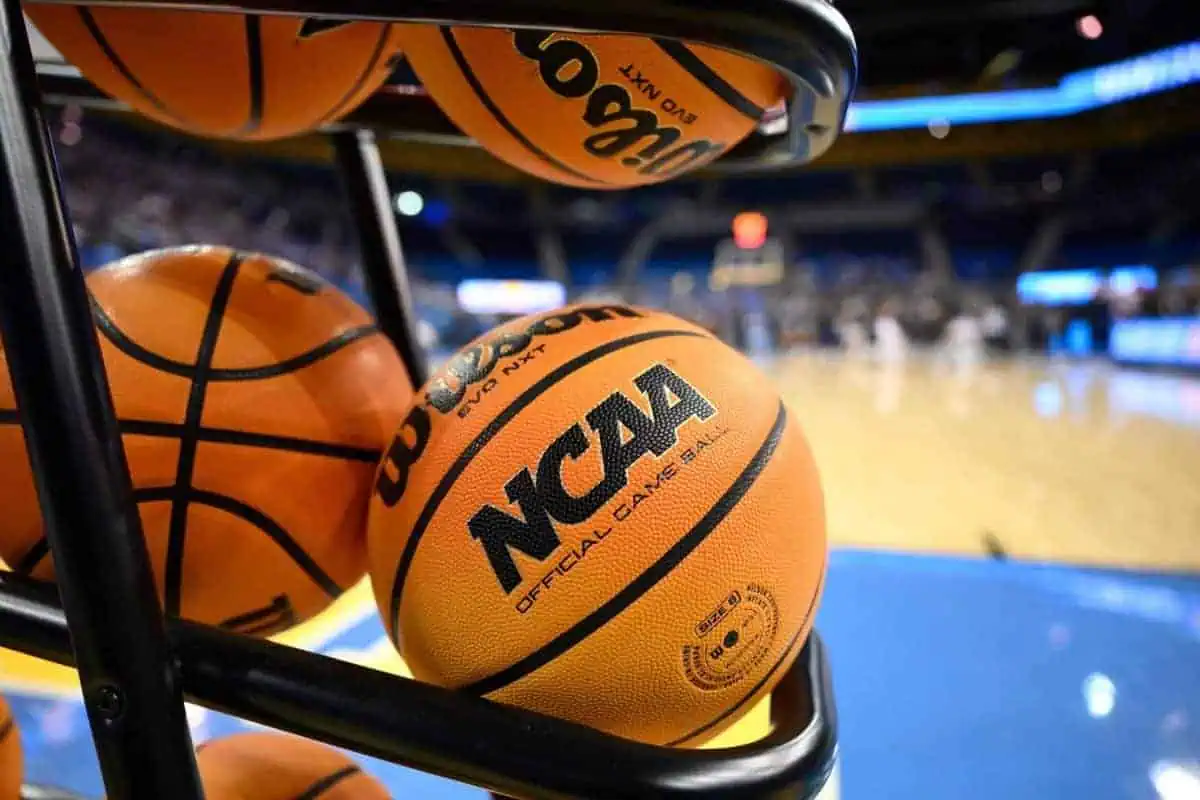
The NCAA filed a federal lawsuit against Ohio Gov. Mike DeWine on Friday, Oct. 16, 2026, in U.S. District Court for the Southern District of Ohio, challenging an executive order that lets the state’s colleges ignore a new NCAA eligibility rule. The NCAA DeWine eligibility order lawsuit marks what is believed to be the first time in the association’s more than 100-year history that it has sued a sitting state governor, according to Yahoo Sports.
DeWine signed the order three days before the NCAA sued, directing both public and private universities in Ohio to let Class of 2022 athletes play a fifth season even though they have already used four years of eligibility, according to Bleacher Report. The directive runs counter to an NCAA rule passed in June 2026 that excludes those same Class of 2022 athletes from additional eligibility once they have played four seasons.
What Happened: The Order And The Rule It Defies
At the center of the dispute is a conflict between state and association authority. DeWine’s order would let Ohio schools roster players the NCAA considers ineligible under its new rule. The NCAA’s 41-page complaint calls the order “a misguided attempt to give Ohio colleges and universities an unfair, unprecedented and unwarranted competitive advantage in stadiums and arenas throughout the country.”
The complaint also argues that college sports depend on participants following common rules, stating that DeWine is “attempting to give Ohio institutions a hall pass to break the rules.” The NCAA contends Ohio programs would benefit competitively by keeping experienced fifth-year seniors on their rosters while schools in every other state remain bound by the June 2026 rule.
The association says the harm cuts both ways within the state. Ohio athletes could lose roster spots to players the NCAA deems ineligible, while athletes and programs outside Ohio would face an opponent pool stocked with extra veteran talent they cannot match.
The NCAA’s Legal Grounds
The lawsuit lays out three separate legal arguments against the executive order. The NCAA says it violates the Commerce Clause by burdening interstate commerce, infringes on the NCAA’s First Amendment rights, and exceeds DeWine’s state authority since he does not have the power to direct colleges to roster athletes the NCAA has ruled ineligible.
The NCAA is asking a federal judge to declare the executive order unconstitutional, to rule that it carries no force of law, and to block DeWine from enforcing it under both federal and state law. NCAA President Charlie Baker described the lawsuit as “an extraordinary step” meant to stop DeWine from making it “impossible for all schools to compete on a level playing field,” per Bleacher Report.
Response And Related Court Action
Separately, the Ohio Supreme Court has already stepped into the broader fight over Class of 2022 eligibility. The state’s highest court paused an appeals court ruling that had declared those athletes ineligible and ordered both sides to file briefs by the following Monday in a case where basketball player Filip Borovićanin is the lead plaintiff.
Bleacher Report described DeWine’s order as the latest entry in what has become a daily digest of legal maneuvering producing state-by-state rules for college athletics, a pattern that has left NCAA eligibility standards inconsistent depending on where a school is located.
What’s Next
The federal case now sits with the U.S. District Court for the Southern District of Ohio, while the Ohio Supreme Court works through its own briefing schedule tied to the Borovićanin case with filings due the Monday after the court’s order. No hearing date or ruling timeline for the NCAA’s federal suit has been reported. Until a court rules, the status of Class of 2022 athletes in Ohio remains unsettled, with the NCAA’s rule and the governor’s order both technically in effect on opposite sides of the dispute.
More College Football news from Total Apex Sports.
 Don't stop here
Every Score. Every Story. One Home.
Breaking sports, entertainment and news from across the Total Apex network, updated all day.
Get the Full Story →
Don't stop here
Every Score. Every Story. One Home.
Breaking sports, entertainment and news from across the Total Apex network, updated all day.
Get the Full Story →