
MLB Shorter Season Proposal: Major League Baseball’s postseason is underway with Division Series and Championship Series action across both leagues, and the sport is simultaneously debating whether the regular season itself needs to shrink. MLB proposed cutting the schedule to 154 games from 162 starting in 2029, part of a broader package that would also expand the Division Series to best-of-seven and let higher seeds choose their first two rounds of opponents. The question the proposal raises is straightforward: would fewer regular-season games actually make the sport more compelling, or would it simply shift value from the 162-game calendar into a longer October?
MLB Shorter Season Proposal
A 154-game season is not new territory for baseball. It was the standard in both leagues starting in 1904, with every team playing each opponent 22 times. The American League moved to 162 games in 1961 when it expanded to 10 teams, and the National League followed a year later. MLB‘s current plan would return to that older number while compressing the calendar, with the 154-game season played over 180 days in most years compared to 187 days under the current 162-game format, according to The Associated Press.
Player Workload And The Monday Off-Day Plan
MLB spokesperson Glen Kaplin framed the shorter season around player health, saying, “Returning to a 154-game schedule would allow us to introduce a weekly off day, which is good for player health, while also creating a new national broadcast window to showcase our most exciting teams and players,” according to ESPN. Under the proposal, Mondays would become a standard day off for most teams starting in 2029, with exceptions for one or two nationally broadcast games. Minor league teams have already operated with Monday off days since 2021, giving MLB a template it could point to as a health-driven norm elsewhere in the sport.
Regular-Season Stakes Versus A Longer October
Kaplin also tied the shorter regular season directly to the postseason product, saying a shorter schedule “unlocks making October even better for our fans, with fewer weekday afternoon games, a longer Division Series, and more opportunities to see the game’s best pitchers on the biggest stage.” That framing suggests MLB views eight fewer regular-season games as a trade for a deeper, more marquee October rather than as a device to raise the stakes of games in April through September specifically. The postseason itself would grow to accommodate that shift, with nine additional off days stretching the format to a maximum of 42 days.
Pick-Your-Opponent And Playoff Access
The most structurally novel piece of the proposal lets higher seeds choose their path through October. The No. 3 seed in each league would pick whether to face the No. 5 or No. 6 seed in the wild card round, with that choice coming immediately after the regular season ends. The No. 1 seed would then choose which wild card winner to face in the Division Series.
Kaplin said this element “would create compelling storylines, intensify existing rivalries and create new ones.” MLB would be the first North American pro league to let standings-based selection replace a fixed bracket in this way. The format echoes a pick-your-opponent plan management floated during 2022 bargaining as part of a 14-team playoff proposal that players rejected at the time, according to the MLB Trade Rumors report.
Scheduling Changes Inside The Bracket
Beyond seeding, the mechanics of each round would change. The Wild Card Series would stay best-of-three at the higher seed’s park but add an extra day off between Games 1 and 2, along with staggered start times across series. Early postseason days would feature only two games apiece instead of up to four, a shift the league has said is partly aimed at scheduling that has left some teams struggling to fill stadiums for afternoon games, per the FOX Sports report.
Each best-of-seven Division Series would stretch to 11 days instead of nine, adding off days before Games 5 and 7 on top of existing travel days. The Division Series has been best-of-five since becoming an annual fixture in 1995, and the Championship Series made a similar jump from best-of-five to best-of-seven back in 1985.
The Salary Cap Counterpoint
None of these changes move forward without a hurdle the league has made explicit: MLB tied every proposal to players agreeing to a salary cap, something the MLBPA has not accepted. The union said it is reviewing the proposals but was blunt about the condition attached to them, stating, “Unfortunately, the league once again made clear that all of its proposals are contingent on players’ agreement to a salary cap, a system that guts player rights and compensation, as well as its other anti-player proposals.” That stance means the schedule and format discussion cannot be separated from labor leverage. MLB has said it is not proposing to cut yearly salaries alongside the reduced game count, though bonuses and similar provisions would be adjusted proportionally, but the cap demand remains the central obstacle described in the reporting.
The timing adds further weight. Baseball’s five-year labor contract expires Dec. 1, and a lockout is anticipated that could delay or eliminate the 2027 season, according to the AP report. MLB wants the pick-your-opponent format in place as soon as next year, ahead of the full 154-game schedule arriving in 2029 to coincide with the sport’s next national media deals.
What To Watch Next
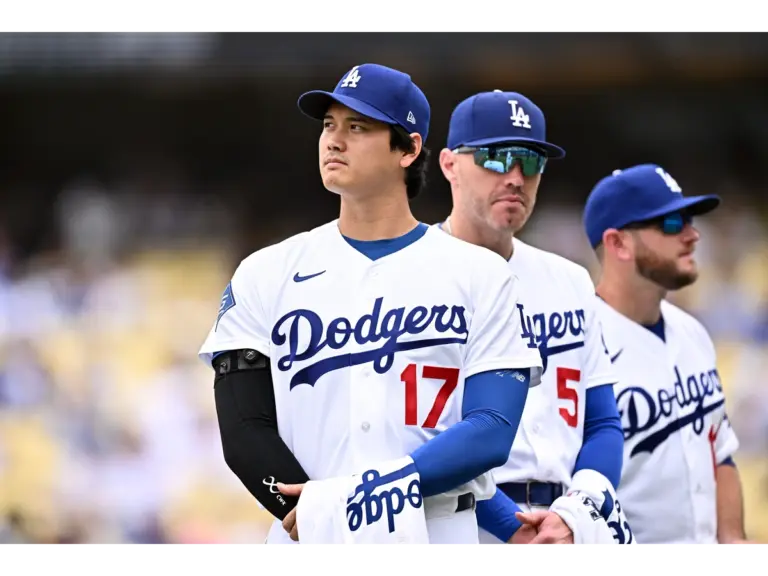
The current postseason field, which includes teams like the Dodgers reaching a third straight NLCS and the Brewers advancing to face Los Angeles, will play out under the existing 162-game, best-of-five Division Series format regardless of how these talks progress. The real test comes before Dec. 1, when the current labor contract expires and both sides either find common ground or head toward the lockout scenario the AP has described. Until the union’s position on a salary cap shifts, the shorter-season and pick-your-opponent proposals remain exactly that: proposals, not changes to how baseball will be played.
 Don't stop here
Every Score. Every Story. One Home.
Breaking sports, entertainment and news from across the Total Apex network, updated all day.
Get the Full Story →
Don't stop here
Every Score. Every Story. One Home.
Breaking sports, entertainment and news from across the Total Apex network, updated all day.
Get the Full Story →