
Mets offseason decisions loom after missing 2026 playoffs

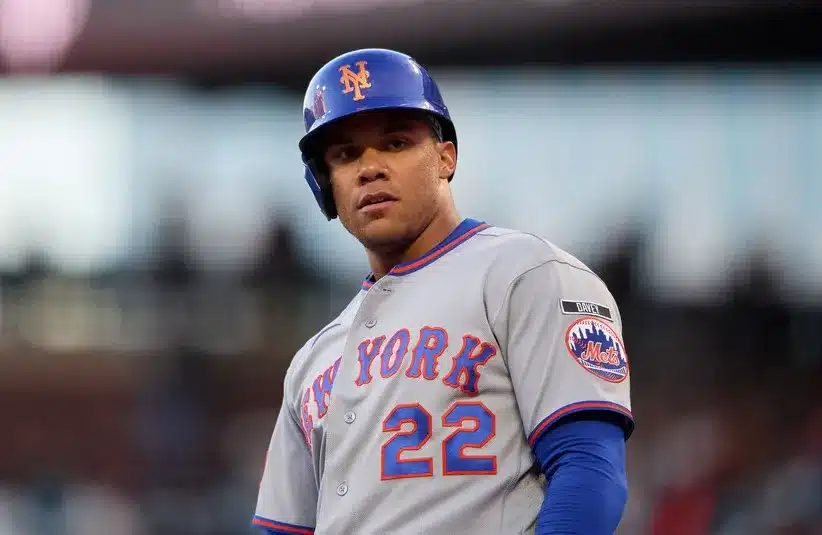
The Mets finished last in the NL East for the first time in 23 years. The result exposes a fundamental tension: star Juan Soto demands aggressive spending on veterans, but David Stearns’ bet on youth and pitching cost the franchise Pete Alonso. Juan Soto wants aggressive spending on proven veterans. David Stearns made a risky bet on youth and pitching that cost the franchise its most productive homegrown hitter, and he is not apologizing for it.
The 74-88 record and a franchise-record $358 million payroll forces a reckoning that will define the next five years. They cannot muddle through 2027 the way they did 2026—not with attendance down 14.8%, fans calling for change, and a narrow window to capitalize on Soto’s prime years.
The Alonso Mistake Nobody Can Undo
When the Mets did not attempt to retain Alonso in free agency last fall, Stearns prioritized upgrading pitching and defense over retaining the franchise’s all-time home run leader. That gamble failed spectacularly. Alonso signed a five-year, $155 million contract with the Baltimore Orioles and received standing ovations from Mets fans every time he batted at Citi Field this month.
On Sept. 15, he took a curtain call on the road when his 300th career homer gave Baltimore the lead in the ninth. Chants of “Fire Stearns!” echoed from 28,097 fans.
Stearns acknowledged the cost in a 33-minute season-ending news conference Monday. “The truth is in this job, I don’t get mulligans,” he said. “I also recognize Pete had a tremendous year. And the totality of our production at first base wasn’t good enough.”
The numbers validate the criticism. Mets first basemen combined for 18 homers, 77 RBIs and a .667 OPS—the third-lowest at the position in baseball, ahead of only Seattle and Arizona. Meanwhile, Alonso thrived in Baltimore while Soto’s .908 OPS ranked second-lowest of his career and Francisco Lindor posted full-season career lows: .225 batting average, .733 OPS, 49 RBIs and three stolen bases.
Stearns also joked about retiring the phrase “run prevention,” the stated mission that guided his offseason spending last year. “I don’t know that that one worked particularly well,” he said.
The Soto Gamble Needs Reinforcement
Soto’s talent and patience suggest he is not ready to leave. He blamed himself for the season’s failure, saying, “There is nothing I can do other than blame myself. I have got to be better.” But he also made clear what the organization must do next: spend aggressively.
Speaking to the New York Post before the Mets’ 3-1 loss to the Rangers on Sept. 25, Soto expressed cautious optimism about the young core—Carson Benge, Nolan McLean, A.J. Ewing and others—but demanded veteran reinforcements. “We should go and get as much as we can,” Soto said.
“We need as much help as we can get. It was a real tough year for us, so I think we have got to go out there and grab as much as we can.”
Soto name-checked Tarik Skubal, the pending free agent and fellow Scott Boras client, as a potential addition. He also endorsed maintaining a core of veterans that includes himself, Lindor and potentially Bo Bichette if the third baseman exercises his $42 million player option for 2027.
The tension is obvious: Soto is ready to win now. The youngsters need time to develop. Stearns cannot have both without spending well beyond the $358 million they already committed. According to USA Today’s Bob Nightengale, the Mets’ attendance was down 14.8% from last season and dropped from fifth to 12th in MLB, signaling fans will not tolerate another year of mediocrity funded by record payrolls.
The Payroll Question Nobody Is Answering
The biggest offseason decision is not actually a roster move: it is figuring out what the Mets’ financial ceiling is. Owner Steven Cohen has shown willingness to spend, but the structure of spending—whether to add stars around Soto or bet on the young core—has not been determined.
Two immediate questions frame the entire offseason. First, Bichette’s player option: if he opts in, the Mets pay $42 million for 2027 and lose flexibility. If he declines, they save money but lose a veteran cornerstone. Second, and more broadly: what are the financial rules Stearns will work within?
Until ownership and Stearns publicly commit to either a spending trajectory or a timeline for the young core to develop, every move the Mets make will look reactive. Signing Skubal or another free-agent pitcher signals conviction in 2027 contention. Standing pat or trading salary signals a reset.
The Bottom Line: Trust Is the Real Payroll
Stearns faces an unfamiliar position: He is a respected executive with a winning track record, but he has no credibility with this fan base. A 74-88 season, the worst since 2017, erased any goodwill from his hiring. The Alonso departure became a symbol of prioritizing process over results.
The Mets cannot repair their attendance or their standing in the division by being clever. They must win. That means either committing serious money to augment Soto’s window and hope the young hitters mature, or trading Lindor or Soto to reset the balance sheet and commit fully to the youth movement. A middle path—modest spending and hoping everything breaks right—is what got them to 74 wins.
Watch whether Cohen and Stearns publicly embrace a vision this October. If Bichette opts in and the team pursues a premium free agent, the message is clear: 2027 is a win-now year, and last season’s failure was an anomaly, not a preview. If Bichette opts out and the Mets sell veterans, the reset is on. Either way, vagueness is no longer an option.
The decision carries implications beyond the Mets. According to Juan Soto, the young core’s development depends on veteran support. The older stars depend on competing now. Stearns must choose, and fast.
Reporting from Yahoo Sports, ESPN, New York Post and Sporting News contributed to this story.