
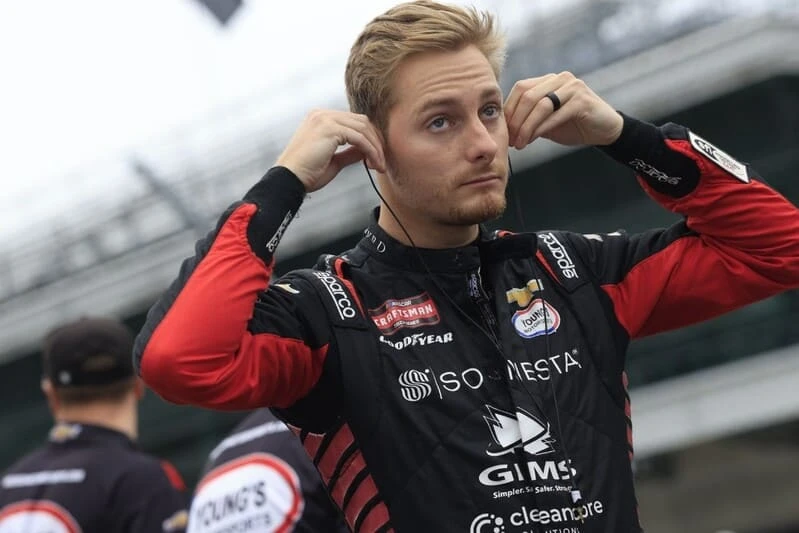
Nathan Byrd is set to make his first O’Reilly Auto Parts Series start this weekend at Iowa Speedway, entering the event with a résumé built through repetition, versatility, and measurable progress across several racing disciplines. His path to the national stock‑car level has been shaped by data, discipline, and a steady climb through equipment that rarely offered comfort or margin. Iowa becomes the moment where years of work finally meet a larger stage.
A Career Defined By Volume And Growth
Byrd’s racing background spans more than 120 competitive starts across open‑wheel cars, sports cars, midgets, and regional stock‑car divisions. He built his career on volume, making every seat time accessible to him and capitalizing on it as a chance to grow. Even so, the numbers behind his progression show why Iowa became a realistic next step.
During the 2023 and 2024 seasons, Byrd produced a stretch of results that stood out inside small‑team circles. He earned multiple podium finishes in Formula Continental, logged more than 1,500 miles in sports car endurance events, and maintained a top‑five average finish in regional late model competition.
His time behind the wheel of a stock car was equally steady and impressive. He completed 98 percent of all laps attempted in 2024 and posted zero DNFs across his final 11 oval starts. In nine regional stock‑car races, he finished inside the top ten six times and kept the car intact every weekend.
Those numbers mattered. They showed he could manage equipment, think through long runs, and elevate cars that were not expected to contend. Small teams value drivers who finish races, communicate clearly, and avoid unnecessary damage. Byrd became one of those drivers.
Why Iowa Matches His Skill Set
Iowa Speedway rewards drivers who understand rhythm, tire management, and lane discipline. Its progressive banking creates multiple grooves that evolve throughout a run. Momentum matters. Tire wear becomes a storyline. Even so, the track punishes drivers who chase speed too early or overextend equipment.
Byrd’s background fits those demands. His open‑wheel experience taught him how to maintain momentum through transitions and stay smooth through corner entry. His endurance racing mileage taught him how to manage long stints, protect equipment, and think strategically. His late model experience taught him how to handle traffic and adjust to changing grip levels.
Across endurance events, Byrd averaged more than 140 miles per stint without major handling errors. In late models, he posted consistent long‑run pace that kept him inside the top ten in most of his regional starts. Iowa rewards that type of discipline, especially during long green‑flag stretches where patience becomes a competitive advantage.
Iowa also exposes drivers who rely on instinct rather than structure, and Byrd’s methodical approach gives him an advantage. He has shown he can build pace gradually, read a run as it develops, and adjust without forcing the car. That measured style positions him to get the most out of whatever the No. 0 group unloads with, especially in a race where patience often determines how much a driver can gain late.
Inside The No. 0 Program
The group supporting Byrd’s debut operates with determination more than resources. The No. 0 effort is built on small‑team grit, relying on part‑time crew members, volunteers, and people who simply love racing enough to give everything they have. Byrd fits that environment naturally. He has spent years racing for teams that operate with tight budgets and long nights, and he understands how to maximize equipment that may not have the luxury of endless adjustments.
Communication has been one of his strongest tools. Crew chiefs who have worked with him note that he provides clear, actionable feedback. He doesn’t speak in vague terms. He describes handling changes with precision, which is invaluable for teams that need every adjustment to count.
Even so, Iowa will stretch every part of the operation. The O’Reilly field is stacked with drivers who have logged hundreds of laps in heavier stock cars, and many have raced Iowa before. The No. 0 group will need to adapt quickly, but Byrd’s approach gives them a foundation to work from.
The Data Behind His Opportunity
Byrd’s Iowa start isn’t built on hype or a popularity contest. It reflected on-track numbers that showed he was ready for a larger stage. Over the past two seasons, he produced 14 top‑ten finishes across mixed‑discipline racing, logged more than 1,500 competitive miles in endurance events, and maintained a 92 percent lap‑completion rate in stock‑car machinery.
His late model average finish of 7.8 reflected steady progression, and his zero DNFs across 11 consecutive oval starts demonstrated the discipline teams look for when evaluating new drivers. That stretch of clean, controlled racing showed he could manage equipment under pressure and deliver the kind of reliability smaller programs depend on.
Those numbers created a clear picture. Byrd could finish races. He could protect equipment. He could adapt to different machinery. He could communicate effectively. He could elevate cars that were not expected to run near the front. Iowa became the natural next step.
What This Means
Byrd’s debut signals that his progression through smaller programs has reached a point where national‑level teams see value in his approach. The numbers behind his recent seasons show a driver who has earned trust through consistency rather than flash. His path reflects a racer who built credibility the hard way, proving himself through results that left little room for doubt.
Iowa becomes a chance to validate that growth in a field where mistakes are costly and execution matters. For the No. 0 team, it represents a weekend where preparation, communication, and discipline will determine how far they can push their equipment against deeper, more experienced competition.
What’s Next
The Iowa weekend will shape how Byrd is evaluated for future opportunities in the O’Reilly Auto Parts Series. A clean, competitive run strengthens his case for additional starts later in the year and reinforces the value of the consistency he has shown across regional stock‑car programs, endurance racing, and open‑wheel machinery.
Even so, the priority remains execution. Byrd will approach the weekend with the same steady mindset that carried him through smaller divisions, focusing on lap‑by‑lap progression rather than expectation. Iowa becomes the point where his discipline, adaptability, and long‑run stability can translate into a larger role within the series.
 Don't stop here
Every Score. Every Story. One Home.
Breaking sports, entertainment and news from across the Total Apex network, updated all day.
Get the Full Story →
Don't stop here
Every Score. Every Story. One Home.
Breaking sports, entertainment and news from across the Total Apex network, updated all day.
Get the Full Story →