
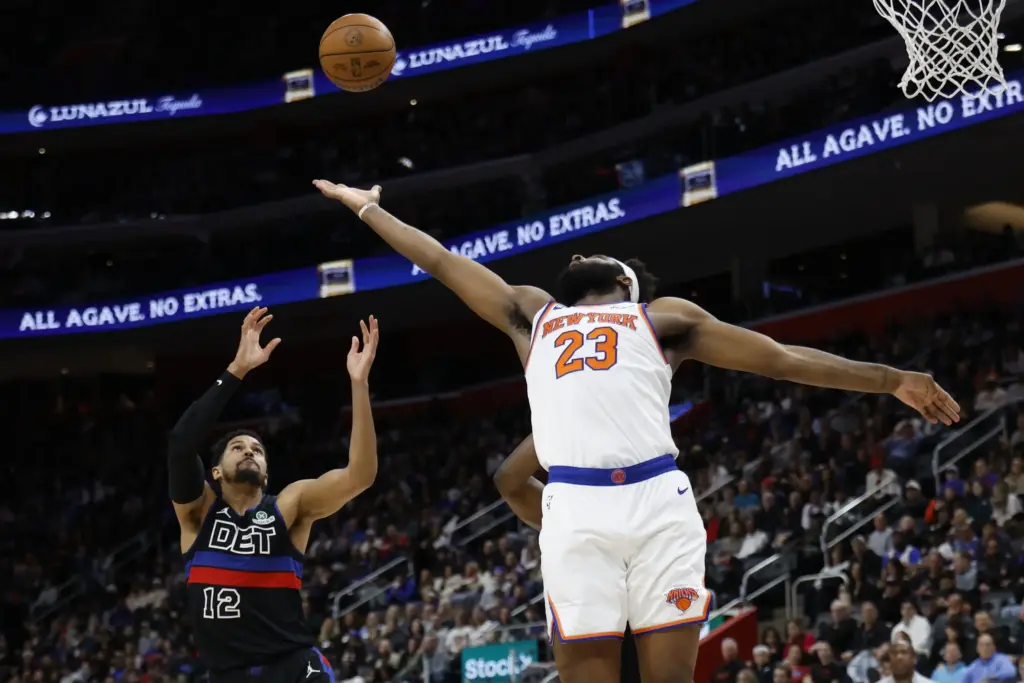
When the Celtics agreed to a three‑year, $47.4 million deal with Mitchell Robinson, the reaction around the league wasn’t quiet. It wasn’t subtle. It was loud, the kind of move that makes rival executives pause mid‑call and rethink their offseason plans. Boston didn’t just add a center. They added a presence.
For years, Robinson has been one of the NBA’s most polarizing big men. To some, he’s an elite rim protector with instincts you can’t teach. To others, he’s a player whose injuries and offensive limitations cloud his potential. But in Boston, the fit feels different. It feels intentional. It feels like the Celtics identified a need – physicality, rim deterrence, second‑chance creation -and went out and found the exact player who embodies it. The Knicks knew what they were losing. Boston knew what they were gaining.
Why Boston Wanted Robinson Now
The Celtics have spent the last few seasons building a roster that can survive deep playoff runs. They’ve leaned on versatility, shooting, and switch‑heavy defense. But even with all that success, one weakness kept resurfacing: they needed a true anchor in the paint. Enter Robinson.

Boston’s front office didn’t hide its admiration. They’ve watched him swallow offensive rebounds, erase drives, and tilt games with pure physical dominance. They’ve watched him turn broken possessions into dunks. They’ve watched him change the geometry of the floor without needing the ball.
And they knew that adding Robinson wasn’t just about talent; it was about identity. This move signals a shift. Boston wants to be bigger. Tougher. More punishing inside. They want opponents to feel every possession, every drive, every loose ball. Robinson gives them that edge.
The Knicks’ Calculated Goodbye
New York’s decision to move on from Robinson wasn’t easy. He had become a fan favorite, the kind of player who made Madison Square Garden erupt with every put‑back dunk or chasedown block. But the Knicks are navigating their own roster evolution, and the combination of injuries, cap considerations, and long‑term planning made the separation inevitable.
Still, the emotional weight was real. Robinson wasn’t just a player; he was a symbol of the Knicks’ rebuild. He arrived raw, grew in front of the fanbase, and became one of the league’s most feared defensive centers. Losing him stings. But New York’s loss is Boston’s gain.
How Robinson Changes Boston’s Rotation
The Celtics didn’t bring Robinson in to be a role player. They brought him in to be a pillar. His presence immediately reshapes the rotation. Boston can now deploy a true rim protector behind their perimeter defenders, allowing them to be more aggressive at the point of attack. They can survive cold shooting nights by dominating the offensive glass. They can close games with a defensive lineup that forces opponents into uncomfortable decisions. The Celtics have dealt with frontcourt injuries for years. Now, they have a center who can anchor them through the grind of an 82‑game season.
The Emotional Side of the Deal
There’s a human element to this move that shouldn’t be ignored. Robinson has fought through injuries, criticism, and the pressure of playing in New York. He’s heard the doubts. He’s felt the frustration. And now, he arrives in Boston with something to prove.
You can feel the hunger in the way he talks about the opportunity. You can sense the excitement from Celtics players who know exactly what he brings. And you can hear the anticipation from fans who have long wanted a center with this kind of defensive gravity. This isn’t just a contract. It’s a fresh start.
What Comes Next
Boston didn’t make this move to maintain the status quo. They made it to elevate their ceiling. Robinson gives them a dimension they’ve lacked, a physical, imposing interior force who can swing playoff series with his presence alone. The Celtics believe this is the missing piece. The Knicks believe they made a necessary decision. And Robinson believes he’s ready to show the league what he looks like in a system built for him. The East just got a little more interesting.
 Don't stop here
Every Score. Every Story. One Home.
Breaking sports, entertainment and news from across the Total Apex network, updated all day.
Get the Full Story →
Don't stop here
Every Score. Every Story. One Home.
Breaking sports, entertainment and news from across the Total Apex network, updated all day.
Get the Full Story →