
Formula 1 And ESPN Renew Rights Across Latin America Through 2028

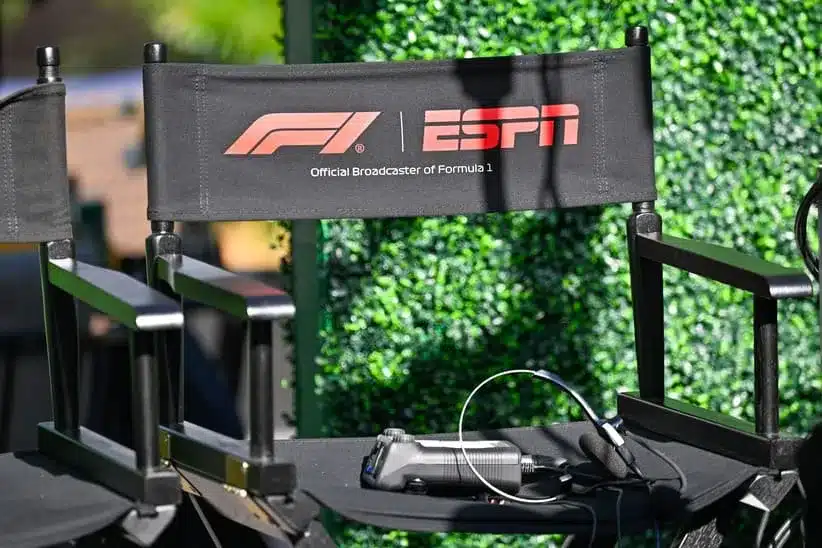
Latin America can feel like a market left behind by F1. Despite producing multiple world champions. With the focus always on Europe, but with even more now on the Asian and North American markets. But F1 and ESPN have made sure Latin America won’t be left behind.
Why This Is A Big Win for Latin America
Formula 1’s decision to extend its broadcast partnership with ESPN Inc. through the end of 2028 is the kind of commercial footnote that actually matters. It keeps live coverage of every practice, qualifying session, sprint, and Grand Prix available across 18 Latin American markets, including Mexico and Brazil, and it also includes support categories like F2, F3, and the Porsche SuperCup.
In an era where broadcast rights feel like chess pieces, this is a positional play for growth. The deal lands at a delicate moment for the sport. With U.S. rights moving to Apple after 2025, maintaining a major regional partner with a multiplatform broadcaster stabilizes F1’s footprint across Spanish-speaking Latin America and the Caribbean.
That’s not just a ratings strategy. It’s an audience development plan aimed at long-term fandom and sponsorship value. As the sport resets under new technical regulations, putting reliable TVs and streaming windows in front of potential new fans is smart business.
How The Move Creates And Strengthens A Strategic Alliance
“I think this strengthens a strategic alliance that reinforces ESPN’s commitment to excellence in sports content,” said Ian Holmes, a line that sounds corporate until you unpack the mechanics: steady linear distribution, complementary streaming options, and the promise of consistent production quality across markets.
For teams and sponsors that chase eyeballs, those mechanics translate into measurable results and reach still drives dollars in motorsport. What’s the practical effect for fans? More live sessions, less dependence on blackout windows, and a clearer path for younger viewers to binge highlights, support-race action, and the narrative arcs that turn casual viewers into season-long followers.
For local broadcasters and advertisers, the extension buys breathing room to build integrated campaigns around national heroes in Mexico and Brazil markets that have shown they can move the needle on attendance and brand exposure.
What’s Next
Put simply: F1 didn’t just renew a contract. It preserved a pipeline. In a media landscape that’s fragmenting faster than ever, having a reliable regional partner is both a stability play and a growth lever, the kind of move that looks modest on paper but pays off when a generation decides to tune in and stick around. Thanks a bunch for reading!
