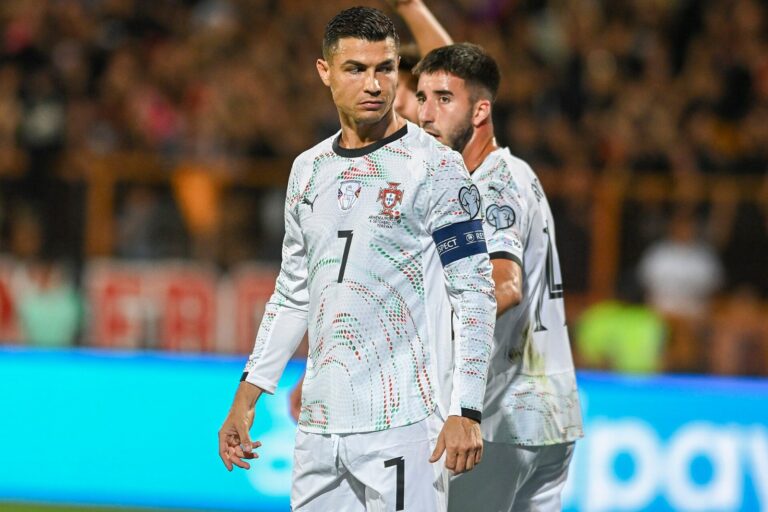


Every soccer fan knows the basics. Score more goals than the other team. Avoid red cards. Try not to end up in a penalty shootout if you can help it. But FIFA’s rulebook is packed with odd little corners that rarely make it onto a broadcast graphic.
Some are so uncommon that even longtime viewers can go years without seeing them enforced. Others have changed quietly over time, which often leads fans to assume a referee made a mistake when, in fact, the official is just following the book.
With the 2026 FIFA World Cup bringing in a wave of new viewers, it is worth revisiting some of the strangest rules that only show up when a match gets weird in a very specific way.
FIFA: Indirect Free Kicks Inside the Penalty Area
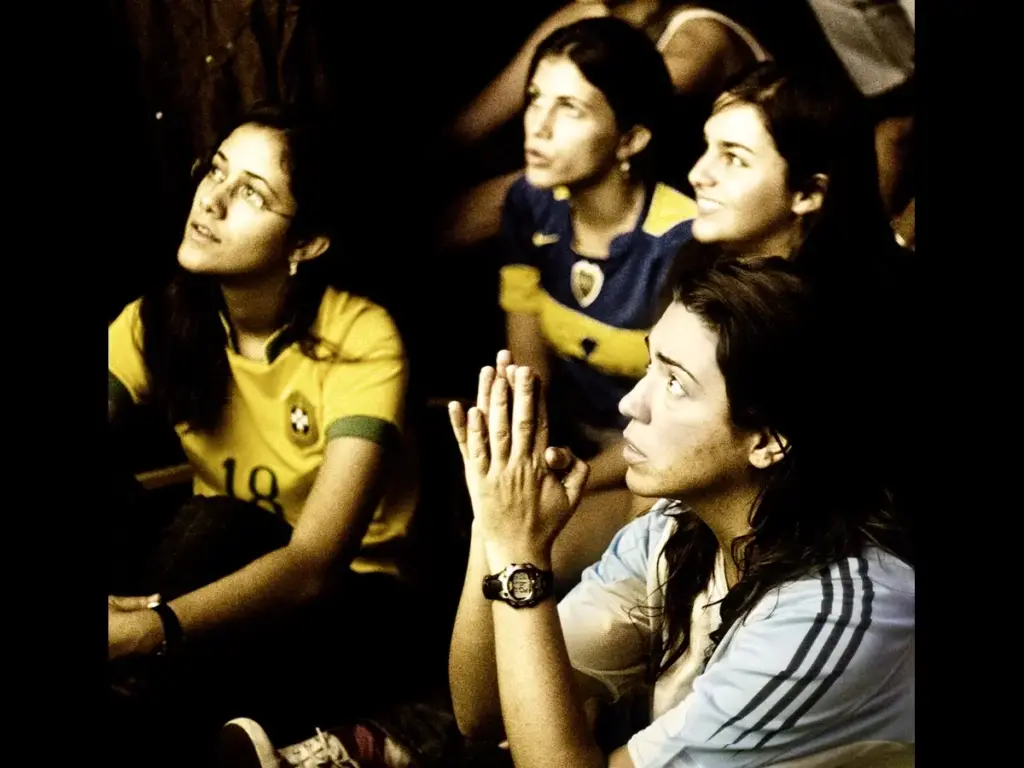
Most fans assume a foul inside the penalty area means a penalty kick. That is usually true, but not always. What will determine if your team gets it? Certain technical violations, particularly involving goalkeeper handling infractions, can result in an indirect free kick inside the box.
The key difference is that the ball cannot go directly into the goal. Another player has to touch it first for the goal to count. What follows often looks chaotic. Defenders stack the goal line, attackers crowd the six-yard box and everyone briefly forgets what normal spacing looks like in soccer.
These moments are rare in soccer, which makes them even more confusing when they happen. One recent example came in the Premier League in 2023 when Wolves were awarded an indirect free kick inside Arsenal’s penalty area after a goalkeeper handling violation. The setup alone was enough to send social media into full explanation mode.
The Goalkeeper Time-Wasting Rule That Almost Nobody Sees Enforced
On paper, goalkeepers are not supposed to hold the ball for too long. The Laws of the Game specify a six-second limit once a keeper controls the ball with their hands. For years, that rule existed more in theory than in practice. Many keepers routinely pushed well past it while referees allowed play to continue. Fans noticed. Counting to 10 or even 15 became part of the experience in some matches.
More recently, governing bodies have started tightening enforcement. The IFAB Laws still clearly state the six-second limit, and competitions such as the Premier League and UEFA tournaments have pushed referees to apply it more consistently since 2023. It is one of those rules that suddenly feels new again, even though it has always been there.
A Player Can Be Sent Off Before the Match Starts
Most red cards happen after a tackle, a clash or something that happens at full speed during a match. But a player can be dismissed before kickoff. If a player commits serious misconduct during warmups, including violent conduct or abusive language, the referee has the authority to show a red card before the game even begins.
The team can still replace that player using an eligible substitute, but it creates an immediate disruption to the lineup and the match plan. It is one of those rules that sounds like a technicality until it happens, and then it becomes the only thing anyone talks about.
The Coin Flip That Once Decided a Major Tournament
Today, tied matches are settled with penalty shootouts, extra time results or statistical tiebreakers. That has not always been the case.
One of the most famous examples of a simpler, harsher method came in the 1968 European Championship semifinals. Italy and the Soviet Union finished level after extra time, and with no penalty shootout system in place, the winner was decided by a coin toss. Italy advanced.
It is the kind of outcome that feels almost impossible to imagine now, especially in a World Cup setting where so much hinges on precision, preparation and control. Back then, luck briefly had the final say.
Yellow Cards Can Haunt Teams Longer Than Fans Realize
Yellow cards might look minor in the moment, but in a World Cup, they can carry serious consequences. Players accumulate bookings throughout the tournament. Reach the suspension threshold and a player misses the next match, even if it is a knockout round.
What makes this tricky is timing. A harmless-looking foul in the group stage can end up reshaping a team’s biggest game weeks later. There are plenty of examples across World Cup history where a single booking altered tournament outcomes. It is not the dramatic kind of moment fans remember instantly, but it often becomes one of the most important decisions in hindsight.
The Back-Pass Rule Exists Because Soccer Used to Slow Down Too Much
Modern fans take the back-pass rule for granted, but it fundamentally changed how soccer is played. Before it existed, defenders could pass the ball back to their goalkeeper, who could pick it up and reset play. Teams protecting a lead used it repeatedly, and matches could slow to a crawl. It was effective, but not exactly entertaining.
The rule introduced in 1992 eliminated that loophole by preventing goalkeepers from handling deliberate passes from their teammates’ feet. It forced quicker decisions, more pressing and a faster rhythm overall. A simple rule change ended up reshaping the modern pace of the game.
Additional News From Total Apex Sports
- Australia’s World Cup Defeat Brings Back Soccer’s Most Notorious Own Goals
- Trae Young Commits to Washington: A New Era Begins for the Wizards
FIFA’s Rulebook Is Stranger Than Most Fans Realize

Soccer is at its best when it feels simple. One ball, two goals, 22 players and a lot of unpredictability. But beneath that simplicity lies a rulebook full of rare scenarios that most fans only encounter when something unusual happens in a high-stakes moment.
When those moments arrive, they tend to take over the conversation. Replays get paused, commentators scramble for explanations and social media turns into a live rules seminar. That is part of the sport’s quiet charm. Even after decades of watching, it can still find new ways to surprise people. Just hope that when that surprise comes about, it is your team that gains favor.
 Don't stop here
Every Score. Every Story. One Home.
Breaking sports, entertainment and news from across the Total Apex network, updated all day.
Get the Full Story →
Don't stop here
Every Score. Every Story. One Home.
Breaking sports, entertainment and news from across the Total Apex network, updated all day.
Get the Full Story →