
Aryna Sabalenka Has Radical Take To Address Prize Money Disparity At Grand Slams

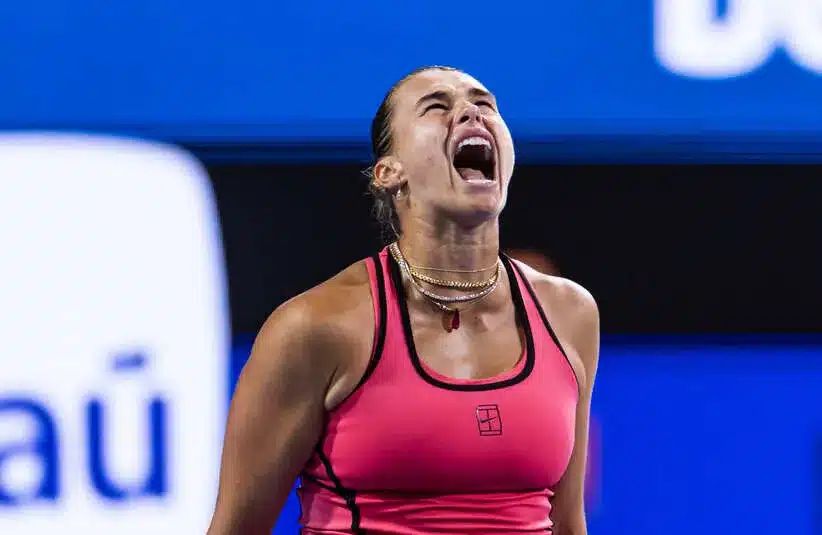
Aryna Sabalenka did not exactly ease into her latest press conference. She walked in at the Italian Open and delivered the kind of quote that makes tennis executives sit up a little straighter in their chairs.
Sabalenka said players may eventually need to boycott the Grand Slams if they want a fairer share of tournament revenue. That is not small talk. That is not a soft warning. That is a world No. 1 looking at the biggest events in tennis and saying, in effect, enough already. And honestly, you can see why this story has legs.
Sabalenka Says the Players Are the Show
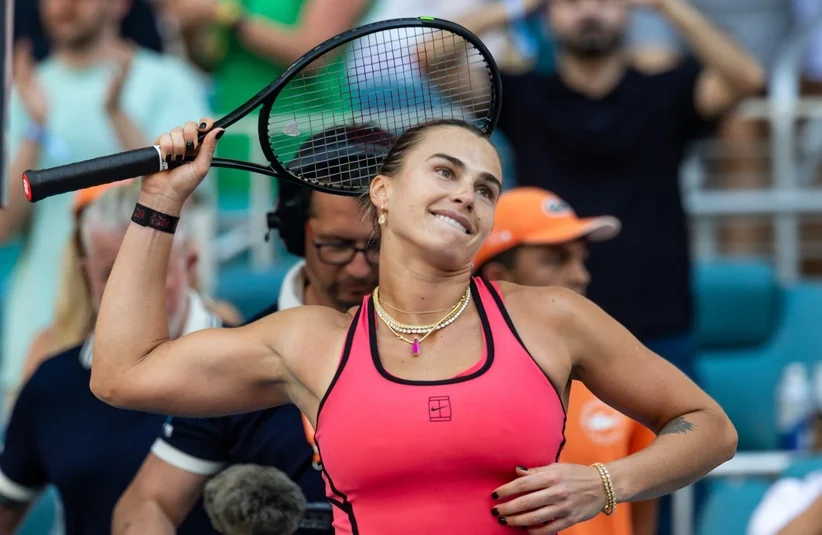
Sabalenka’s main point was simple and hard to argue with. The players are the product. No players, no packed stadiums. No players, no TV drama. No players, no five-set meltdowns, no comeback stories, no slow-motion fist pumps that somehow look cooler on clay.
She argues that the athletes deserve a larger percentage of the money these events bring in. According to statements reported this week, players are frustrated that even when total prize pools increase, their overall share of tournament revenue is not necessarily improving. In the case of Roland Garros, players say that share is actually trending down. That is the part that stings.
On the surface, a bigger prize pool sounds great. Tournament organizers can point to millions more in payouts and call it progress. But players are looking at the math behind the curtain and saying, wait a second, if the pie keeps getting bigger, why does our slice feel thinner?
Why Sabalenka’s Comments Matter
This is not just another athlete venting after a tough loss or a bad draw. This is Sabalenka, one of the biggest names in the sport, speaking publicly about a possible boycott. When a player of her stature says something like that, it carries weight.
It also reflects a broader push from top players on both the men’s and women’s tours. Reports indicate they are not only asking for more prize money, but also better representation, stronger health support, and pension-related benefits across the four Grand Slams: the Australian Open, French Open, Wimbledon, and the US Open.
That makes this bigger than a paycheck conversation. It is about power, voice, and long-term security in a sport that can be glamorous on television and brutally individual in real life.
Sabalenka Is Not Alone, But Not Everyone Agrees
Sabalenka is clearly not the only player who feels this tension. Other leading players have publicly supported calls for a fairer deal. Jasmine Paolini also suggested a boycott could be possible if players stay united. But not everyone is ready to light the match.
Iga Swiatek took a more measured approach, saying communication and negotiation should come first. She called the idea of a boycott “a bit extreme,” which is fair. Boycotting a Grand Slam is the tennis equivalent of threatening to cancel Thanksgiving dinner. You can say it, but once it’s out there, everybody gets uncomfortable.
Still, that difference in tone does not mean the players are divided on the core issue. It just means they have different ideas about how to fight it.
What Happens Next For Sabalenka and the Grand Slams
That is the big question. The French Open is approaching, and the timing is no accident. Pressure is building. The players have gone from private letters to public frustration, and now Sabalenka has added real bite to the conversation.
Will there be a boycott? Maybe not tomorrow. Maybe not this season. But once that word enters the room, it tends to stay there. Sabalenka has done more than make headlines. She has forced the sport to confront an uncomfortable truth: tennis loves to celebrate its stars, but stars eventually start asking what they are worth.
And when Sabalenka asks that question, it does not sound like a bluff. It sounds like a warning shot hit clean down the line.
For More Great Content
Find Justin on X: https://x.com/jrimp803 and LinkedIn: https://www.linkedin.com/in/justin-rimpi-11502014a/
