
Jalen Williams’ Injury Casts a Shadow Over Thunder’s Western Conference Finals Run

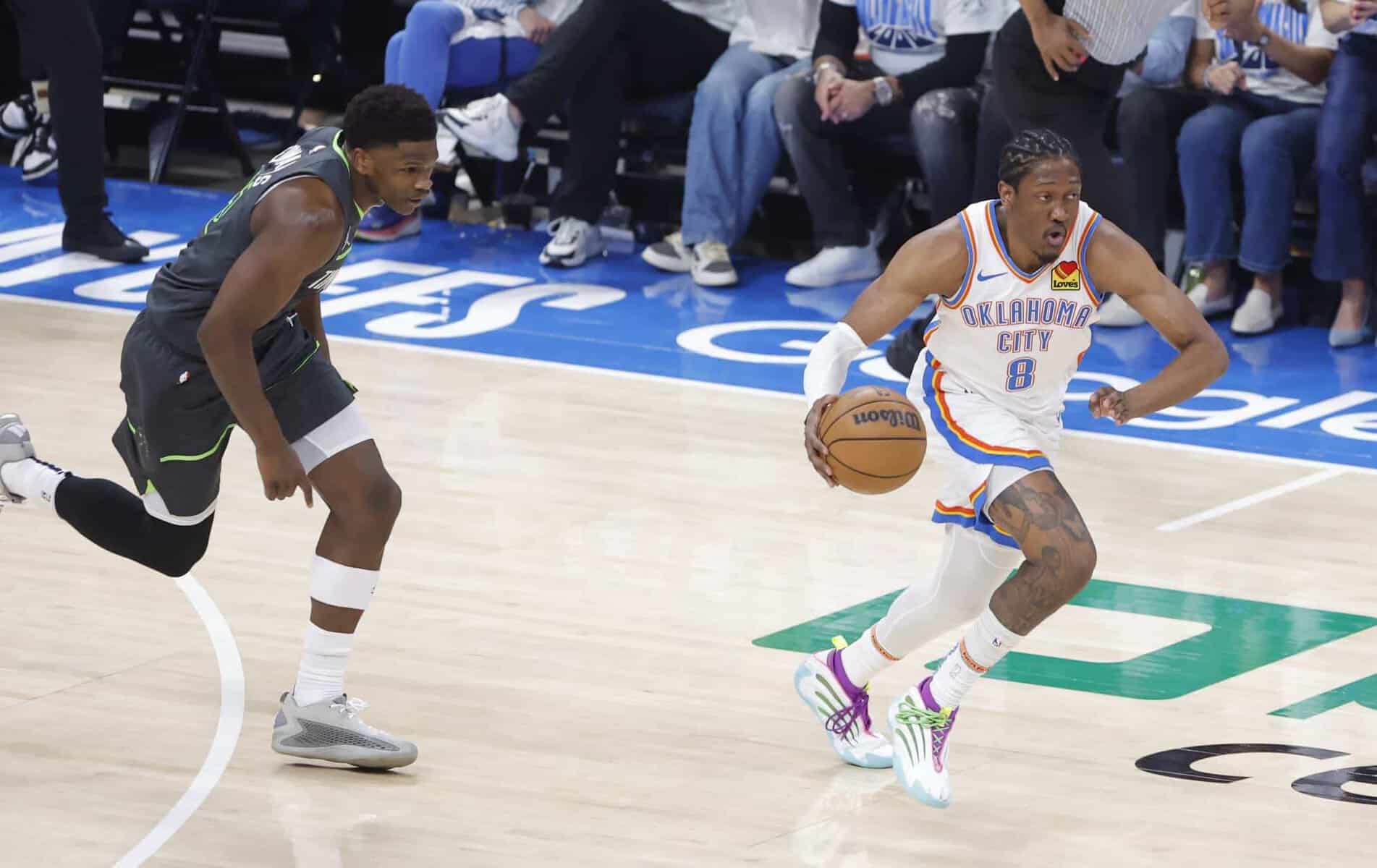
The Oklahoma City Thunder have spent the postseason proving they’re ahead of schedule. Young, fearless, and unbothered by the moment, they’ve played with the kind of swagger that makes a franchise believe its window is opening faster than expected. But in Game 2 of the Western Conference finals, that confidence took a hit—literally and emotionally.
Midway through the first quarter, Jalen Williams exited with a left ankle injury, sending a ripple of unease through the Paycom Center. For a team built on rhythm, pace, and continuity, losing Williams—if even for a short stretch—changes everything.
Thunder Lose Their Two‑Way Engine Early
Williams’ injury happened on a routine drive, the kind of play he’s executed hundreds of times this season. He planted, elevated, and came down awkwardly. The moment he grabbed his ankle, teammates immediately signaled to the bench. He tried to walk it off. He couldn’t.

The Thunder ruled him out for the remainder of the game shortly after he headed to the locker room. And while Oklahoma City still managed to keep the game competitive, the absence of Williams was impossible to ignore. His ability to defend multiple positions, initiate offense, and create mismatches is central to how the Thunder operates. Without him, the offense felt more predictable. The spacing tightened. The ball didn’t swing with the same sharpness. And the Spurs, sensing vulnerability, pounced.
Why Williams Matters More Than the Box Score Shows
Sure, he scores, rebounds, and facilitates. But it’s the connective tissue he provides—the glue between Shai Gilgeous‑Alexander’s brilliance and Chet Holmgren’s length—that makes Oklahoma City’s machine hum.
He guards the opponent’s toughest wing. He pushes the pace after rebounds. He’s the release valve when defenses overload on SGA. And he’s the emotional spark plug who never seems rattled. When a player like that goes down, it’s not just a rotation adjustment. It’s an identity shift.
Thunder Face a New Kind of Test
Oklahoma City has been one of the healthiest teams in the league all season. That’s part of why they’ve been able to play with such consistency. But the playoffs don’t care about regular‑season fortune. They test depth, resilience, and adaptability.
With Williams sidelined, the Thunder were forced to lean more heavily on Aaron Wiggins, Isaiah Joe, and Cason Wallace. All three have had strong postseason moments, but none replicate Williams’ blend of strength, craft, and defensive versatility.
The Spurs sensed the imbalance immediately. They attacked mismatches, forced switches, and made the Thunder’s wings work harder than usual. Even with SGA carrying the scoring load, the Thunder lacked the secondary creator who usually keeps defenses honest.
The Emotional Weight of the Moment
What made the injury sting even more was the reaction from Williams himself. He’s not a player who shows pain easily. When he stayed down, teammates knew it was serious. When he walked off with trainers, head down, the arena felt the air leave the room.
This Thunder team is young, but they’re tight‑knit. They celebrate together, talk trash together, and genuinely enjoy each other’s success. Seeing Williams sidelined wasn’t just a tactical blow—it was a gut punch.
What Comes Next for Oklahoma City
The Thunder will further evaluate Williams, and the team hopes the injury is minor. But even a short absence could tilt the balance of this series. The Spurs are physical, disciplined, and opportunistic. They don’t need much of an opening to seize momentum.
If Williams misses time, the Thunder will need to reinvent parts of their rotation. More ball‑handling responsibilities for Wallace. More defensive pressure on Wiggins. More minutes for Joe. And more weight on SGA’s shoulders—something he’s capable of carrying, but not without cost.
The Western Conference finals are a war of attrition. Every possession matters. Every injury shifts the landscape. And right now, the Thunder are holding their breath, waiting for clarity on a player who means far more than his stat line. Because if Williams can’t go, Oklahoma City isn’t just down a starter. They’re down a heartbeat.
