
The Mastermind of Boston: How Brad Stevens Engineered an Executive of the Year Masterpiece

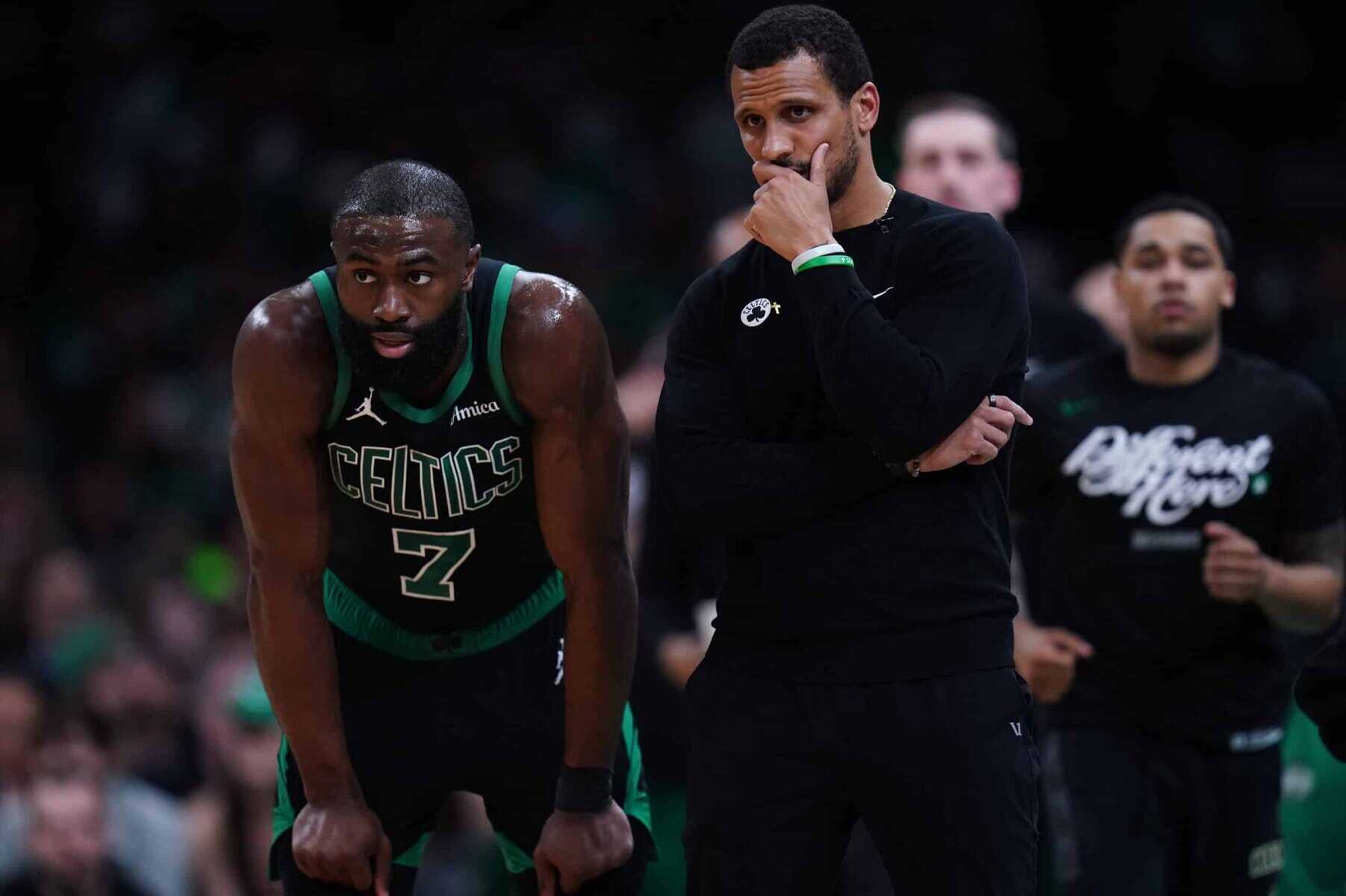
When the offseason arrived, the Boston Celtics were staring down the barrel of a financial nightmare. A staggering $540 million luxury tax bill loomed over the franchise, threatening to paralyze the team for a decade. The anxiety in the city was palpable. Fans braced for the worst, knowing that keeping the beloved core intact was mathematically impossible. Enter Brad Stevens.
The Celtics’ president of basketball operations was faced with an agonizing reality. To save the future of the franchise, he had to dismantle parts of the very roster he had painstakingly built. It is one thing to construct a championship-caliber team; it is an entirely different, heartbreaking task to tear it down. Yet, Stevens approached the crisis with a cold, calculated brilliance, paired with a deep understanding of what makes a winning culture tick. For his masterful navigation of this unprecedented cap crunch, Stevens was just named the 2025-26 NBA Executive of the Year, marking his second time winning the prestigious award in three seasons.
Walking the Financial Tightrope
To understand the magnitude of what Stevens accomplished, you have to look at the sheer scale of the departures. Saying goodbye to franchise cornerstones is never easy. Stevens had to orchestrate trades to ship out Jrue Holiday and Kristaps Porzingis, two pivotal pieces of Boston’s puzzle. Even more emotionally taxing was watching veterans like Al Horford and Luke Kornet walk out the door in free agency.
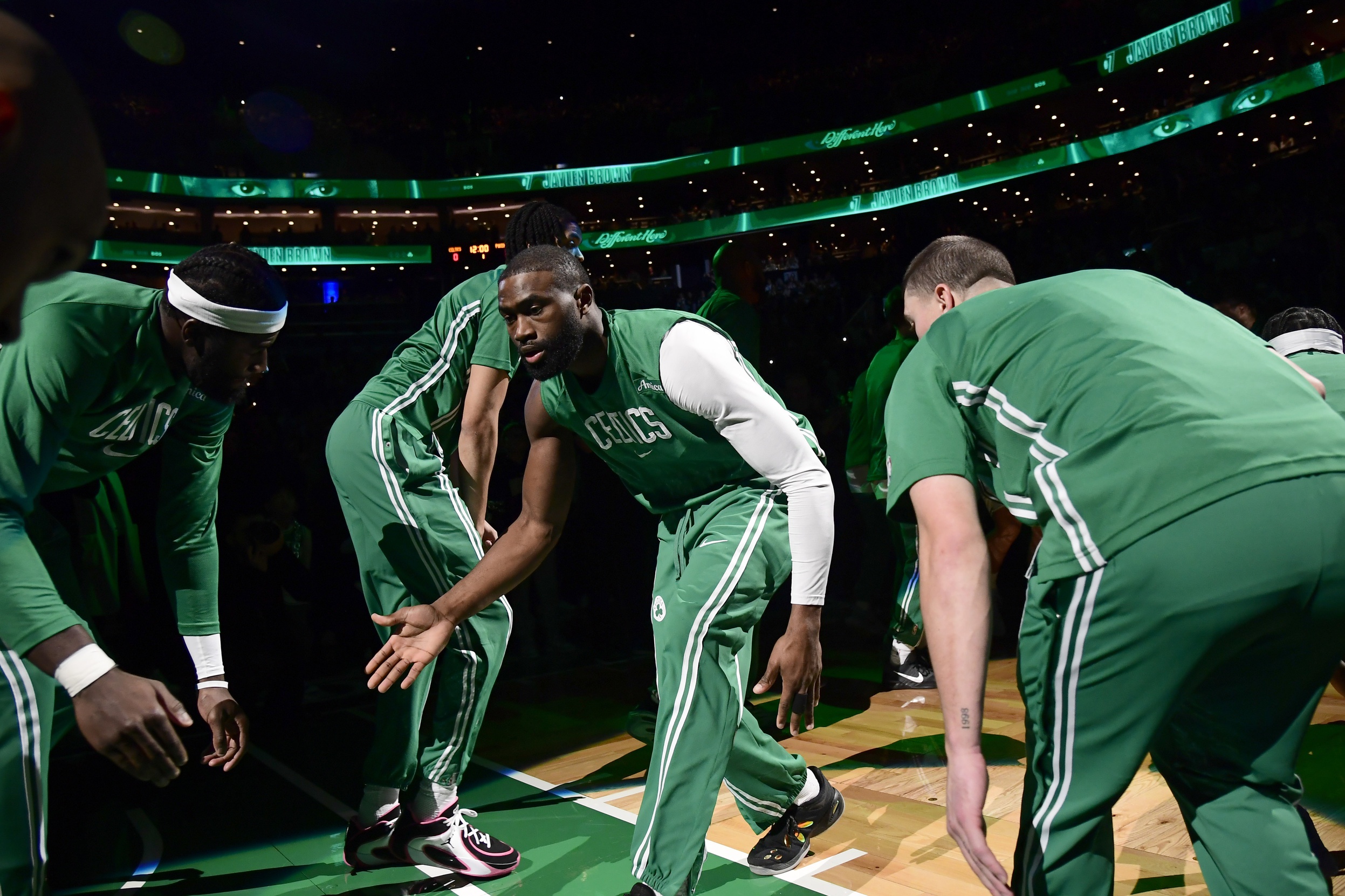
Pundits across the league wrote Boston off. The narrative was written: the Celtics were taking a massive step backward to dodge the second apron penalty. But Stevens saw a different path. By slashing the team’s spending down to $187.8 million, he completely removed the Celtics from the luxury tax. He managed to reset the dreaded repeater penalties, giving the franchise the flexibility to spend big again in the future. More importantly, he achieved this without compromising the team’s spirit.
Trusting the Margins and Finding Hidden Gems
While the basketball world focused on who left, Stevens focused on who was waiting in the wings. He knew that the superstar duo of Jaylen Brown and Jayson Tatum—who miraculously returned from an Achilles injury after just 10 months—would keep the floor incredibly high. But the ceiling? That would be determined by the supporting cast.
Stevens placed immense trust in his developmental pipeline and his ability to identify for undervalued talent. He empowered Payton Pritchard to step into a heavier workload, and Pritchard responded by starring in crucial moments. He watched Derrick White continue to impact winning in a million different, gritty ways.
But the true genius of Stevens shone in the margins. Consider Neemias Queta. Waived by the Sacramento Kings, Queta was scooped up by Stevens and eventually leaped from the bottom of the depth chart into a starting role, posting some of the best advanced metrics of any big man in the league. Stevens also leaned heavily on a stable of young wings he drafted late in the first round and beyond—Baylor Scheierman, Jordan Walsh, and Hugo Gonzalez. When given the chance, these young players stepped onto the parquet floor and simply produced.
A Well-Deserved Honor for Stevens
The voting for the award wasn’t particularly close, a testament to the respect Stevens commands from his peers. The panel, consisting of basketball executives from all 30 NBA teams, awarded Stevens 11 first-place votes. He comfortably beat out Atlanta’s Onsi Saleh and Detroit’s Trajan Langdon.
This isn’t just a trophy for making blockbuster trades. This is an award for survival, ingenuity, and unshakeable nerve. Stevens took a team that lost a staggering amount of veteran talent and steered them right back to the No. 2 seed in the Eastern Conference. He proved that a front office can balance the checkbook without waving the white flag on a season.
In a league where general managers often panic under the crushing weight of salary cap aprons, Stevens remained unflinching. He looked at a $540 million problem, made the agonizing choices that kept executives up at night, and somehow kept the Boston Celtics right in the thick of the championship hunt.
