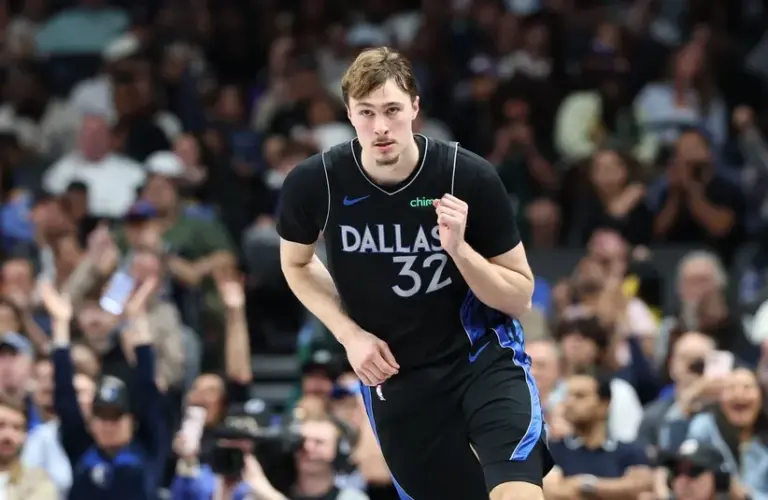

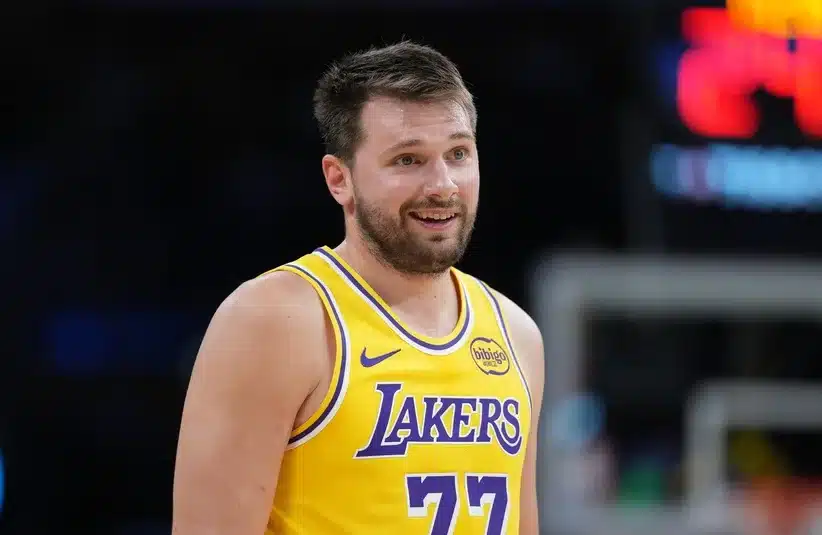
Luka Doncic has never been shy about dreaming big. Step‑back threes from impossible angles, cross‑court lasers that only he sees, playoff performances that feel ripped from a video game, that’s the Doncic everyone knows. But this week, the Lakers star reminded the basketball world that his vision stretches far beyond the hardwood.
Doncic officially joined the ownership group relocating Italian club Vanoli Cremona to Rome, a move that instantly sent ripples through both the NBA and European basketball landscapes. For a player who grew up in the European system, dominated it as a teenager, and then became one of the NBA’s brightest stars, this investment feels like a full‑circle moment, and a strategic one. “I have dreamed about owning a team in Europe for a long time,” Doncic said in a statement, his excitement unmistakable. This wasn’t a casual business move. It was personal.
Why Rome? Why Now?
Rome hasn’t had a top‑flight basketball presence in years, and the city’s hunger for a major club has only grown. The ownership group, led by former Mavericks executive Donnie Nelson, sees Rome as a sleeping giant. A global city. A cultural powerhouse. A market that could anchor something much bigger.
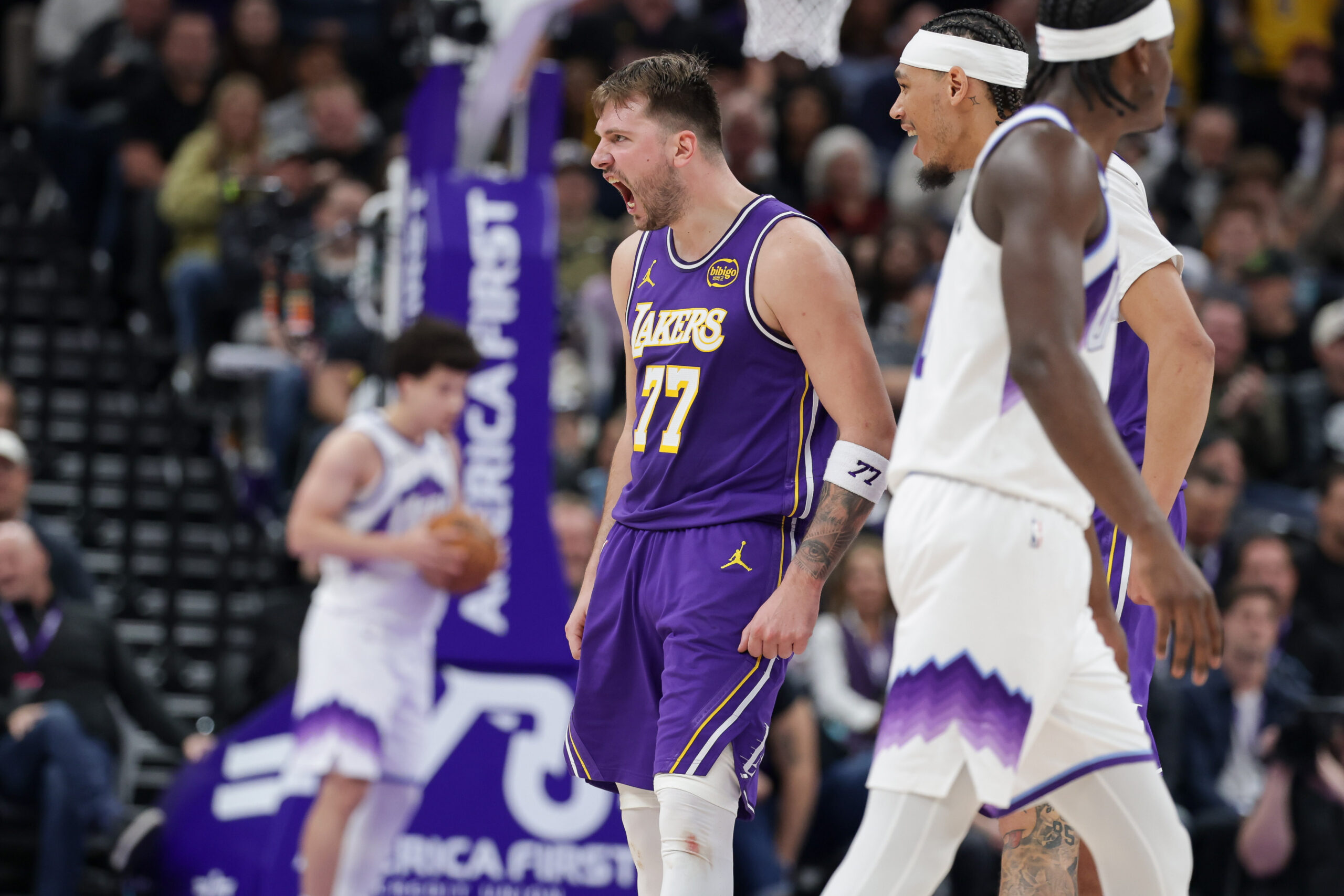
That “something bigger” is the NBA’s long‑discussed European league, a project commissioner Adam Silver has openly supported. Rome is considered a prime candidate for one of the league’s permanent franchises. Doncic’s involvement doesn’t guarantee anything, but it certainly doesn’t hurt.
The timing is no coincidence. The NBA and FIBA are pushing forward with plans for NBA Europe, potentially launching as early as 2027. With bids reportedly reaching up to $1 billion to enter the league, this is not a playground for casual investors. It’s a high‑stakes, high‑ambition venture, exactly the kind Doncic gravitates toward.
A Player Who Understands the European Game
Before he was an NBA superstar, Doncic was a prodigy in Madrid. He knows the rhythms of European basketball, the arenas, the fans, the culture, the pride. He understands what it means for a city to rally around a club, and he knows how deeply basketball can root itself in a community when the infrastructure is right.
That’s why this move feels authentic. It’s not a celebrity athlete buying a team for headlines. It’s a player investing in the ecosystem that raised him. And it’s not just him. Nelson, longtime coach Valerio Bianchini, and former player Rimantas Kaukėnas round out a group that blends basketball knowledge with business ambition. Their message is clear: Rome deserves world‑class basketball again, and they intend to deliver it.
A Vision That Extends Beyond Ownership
What makes this moment compelling isn’t just the investment, it’s the symbolism. Doncic is still in his prime, still chasing championships, still rewriting record books. Yet he’s already thinking like someone who wants to shape the sport long after he stops lacing up sneakers.
This is the kind of move that hints at a future where Doncic becomes more than a superstar. A builder. A connector. A global ambassador for the game. And honestly? It fits him. He’s always played with an old soul, a veteran’s patience, a savant’s creativity. Now he’s showing he has a visionary mindset too.
What This Means for the Lakers and the NBA
From the Lakers’ perspective, this doesn’t change Doncic’s on‑court mission. He’s still the franchise cornerstone, still the engine of their championship hopes. But it does add another layer to his identity, one that resonates with fans and executives alike.
For the NBA, it’s a signal. If one of the league’s biggest stars is investing in European expansion, momentum is real. The league has long wanted a foothold overseas that goes beyond preseason games and exhibition tours. Doncic’s involvement gives the project credibility, visibility, and a face fans already adore.
A New Chapter Begins in Rome
The rebrand, the arena plans, the community outreach, all of it is just beginning. But the story already has its hook: Doncic is betting on Rome. And if history has taught us anything, it’s that when Doncic bets on something, a pass, a shot, a moment, he usually sees it before the rest of us do.
 Don't stop here
Every Score. Every Story. One Home.
Breaking sports, entertainment and news from across the Total Apex network, updated all day.
Get the Full Story →
Don't stop here
Every Score. Every Story. One Home.
Breaking sports, entertainment and news from across the Total Apex network, updated all day.
Get the Full Story →