
The 76ers have spent the past several years living in a strange middle ground, never bad enough to rebuild, never healthy or consistent enough to break through. When ownership finally decided to move on from Daryl Morey, it wasn’t just a front‑office change. It was a signal that the franchise was ready to rethink everything.
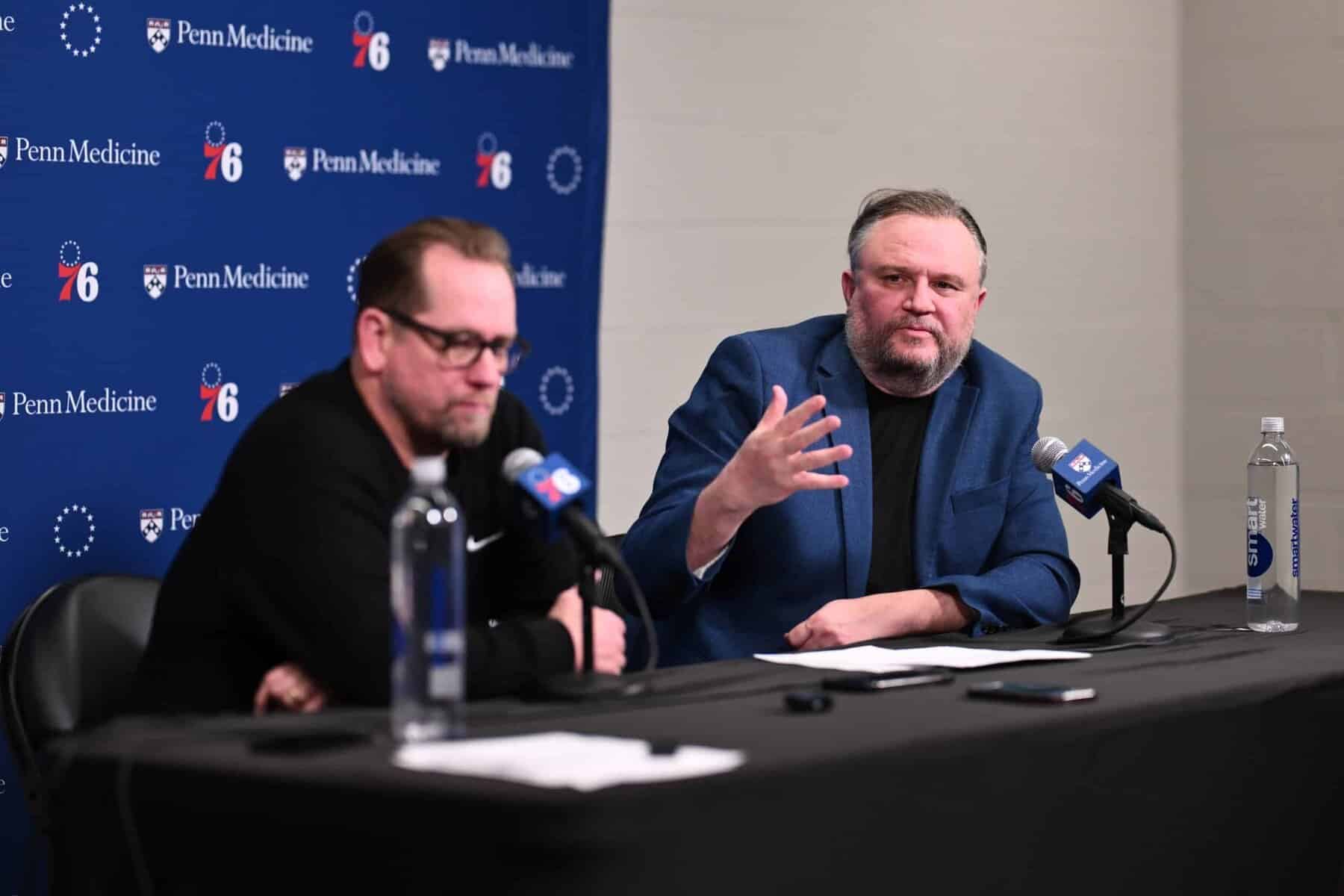
On Friday, that shift became official. Cleveland Cavaliers general manager Mike Gansey agreed to a multiyear deal to become the 76ers’ new president of basketball operations, stepping into one of the most scrutinized jobs in the league. For a franchise that has cycled through philosophies, timelines, and identities, Gansey represents something different: a builder who has earned his stripes quietly, steadily, and without theatrics.
Gansey’s Rise and Why Philadelphia Wanted Him
Gansey’s path isn’t the typical fast‑track executive story. He started in the G League, grinding through scouting trips and roster decisions that rarely make headlines. Over time, he became a trusted architect in Cleveland’s front office, working alongside Koby Altman to reshape the Cavaliers into a tough, playoff‑ready group.
His fingerprints were all over Cleveland’s recent surge, including the bold midseason move that sent Darius Garland to the Clippers for James Harden, a trade that helped push the Cavs to 52 wins and an Eastern Conference finals appearance. That kind of conviction, paired with a willingness to take calculated risks, made him an appealing candidate for the 76ers organization, which has struggled to find the right balance between aggression and stability.
Myers’ involvement alone tells you how seriously the 76ers approached this hire. Gansey and Nick U’Ren were the finalists, but Gansey’s blend of experience, temperament, and roster‑building instincts ultimately won out.
The End of the Morey Chapter
Morey’s tenure in Philadelphia was complicated. But the results never matched the ambition. The Harden saga, the constant roster reshuffling, and the inability to build a consistent playoff identity left the franchise feeling stuck. The 76ers didn’t just need a new voice, they needed a new direction.
Gansey arrives without the baggage of past decisions, without the pressure of a signature philosophy he must defend, and without the need to chase headlines. That alone is refreshing for a fan base that has lived through “The Process,” the post‑Process, and the post‑post‑Process.
What Gansey Inherits
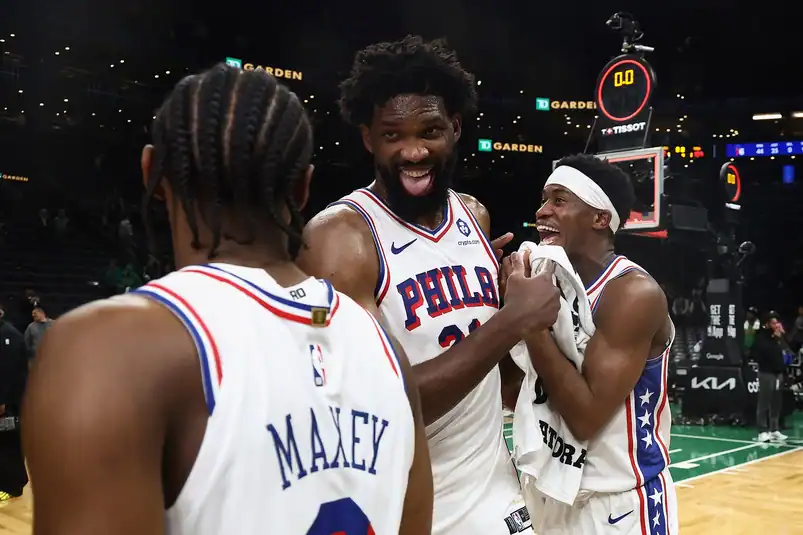
Let’s be honest: this isn’t a simple job. Joel Embiid remains the centerpiece, but his health and long‑term durability will always be part of the equation. Tyrese Maxey has blossomed into a star, but the roster around them needs a clearer identity. The team has cap flexibility, draft capital, and an open window, but not indefinitely.
Gansey’s first major decisions will shape the next half‑decade of 76ers basketball:
- How aggressively should the team pursue another star?
- What kind of roster best complements Embiid and Maxey?
- How much patience will ownership have for a retooling phase?
These aren’t small questions, and Gansey won’t get the luxury of easing into them.
Why This Move Feels Different
There’s a calmness to Gansey’s approach that stands out. He isn’t a headline‑chaser. He isn’t a brand. He’s a basketball guy, one who has built relationships, earned trust, and shown he can help construct a winning environment without needing to be the loudest voice in the room. For the 76ers, that might be exactly what they need.
Philadelphia has spent years searching for stability. Gansey offers a chance to build something sustainable, something that doesn’t hinge on blockbuster trades or dramatic pivots. He’s not inheriting a teardown. He’s inheriting a team that’s good, flawed, and capable of becoming great with the right stewardship.
A New Era Begins
The 76ers’ future won’t be defined by one hire, but this one matters. Gansey steps into a pressure cooker, but he does so with a reputation for thoughtful decision‑making and a track record of helping build a contender. Philadelphia wanted a reset. They got one. Now the question becomes whether Gansey can turn potential into progress, and whether the 76ers can finally find the identity they’ve been chasing for years.
 Don't stop here
Every Score. Every Story. One Home.
Breaking sports, entertainment and news from across the Total Apex network, updated all day.
Get the Full Story →
Don't stop here
Every Score. Every Story. One Home.
Breaking sports, entertainment and news from across the Total Apex network, updated all day.
Get the Full Story →