Russia’s Secret Plan To Host An Alternative World Cup Revealed Will It Steal The Spotlight From FIFA

Russia is reportedly floating a radical idea that would shake the global football calendar: an alternative World Cup-style tournament aimed at national teams that either failed to qualify for the 2026 FIFA World Cup or are currently barred from FIFA competitions.
The proposal would stage an 8 to 12-team event on Russian soil during the same window as the official tournament in North America. Reports emphasize that the idea remains at a planning stage and has not been officially confirmed by FIFA or by Russian authorities.
Russia’s Bold Proposal Explained
The core concept is straightforward and strategically provocative. Russia would host a short, invitation-style tournament featuring teams that are outside the 2026 World Cup lineup or who are unable to compete in FIFA events. The suggested field of participants mentioned by outlets includes China, Cameroon, Nigeria, Serbia, Chile, Greece, Peru, Venezuela, and potentially other nations.
Organizers reportedly envision an 8- to 12-team bracket with matches played in multiple Russian cities over the World Cup period. The timing appears intentional because concurrent scheduling would create a direct alternative spectacle for broadcasters, sponsors, and fans.
This proposal has to be read through two lenses. First, it would provide Russia with a way to keep its national team playing competitive fixtures at a time when FIFA and UEFA bans limit their presence on the global stage.
Second, it would function as a political statement aimed at pressuring football authorities by demonstrating that global football can find workarounds when major stakeholders are excluded. Several reports stress that the plan is preliminary and that invitations would be selective, not automatic.
Who Could Play In The Tournament
The list of potential invitees appearing across social posts and smaller sports outlets mixes teams that failed to qualify for 2026 with countries that might accept an invitation if asked.
Nigeria and Cameroon are being named frequently in reports because both missed direct qualification paths and carry heavy continental interest, which would help generate audience numbers. Serbia is a logical candidate because of its historic ties and an active player in the market across Europe.
South American nations like Chile, Peru, and Venezuela appear as intriguing invites because they combine recognizable talent with missed qualification narratives. China is a potential strategic partner because of the market it represents.
Any real invitation list would need to reflect sporting integrity, commercial priorities, and geopolitical realities. Nations whose federations fear FIFA retribution might decline. National teams with packed domestic calendars or players whose clubs balk at extra summer fixtures would likely be cautious.
The tournament could rely heavily on teams willing to risk political fallout for the chance of television revenue, match practice, and exposure. Sporting credibility would hinge on having recognizable squads rather than experimental lineups.
Political And Sporting Implications
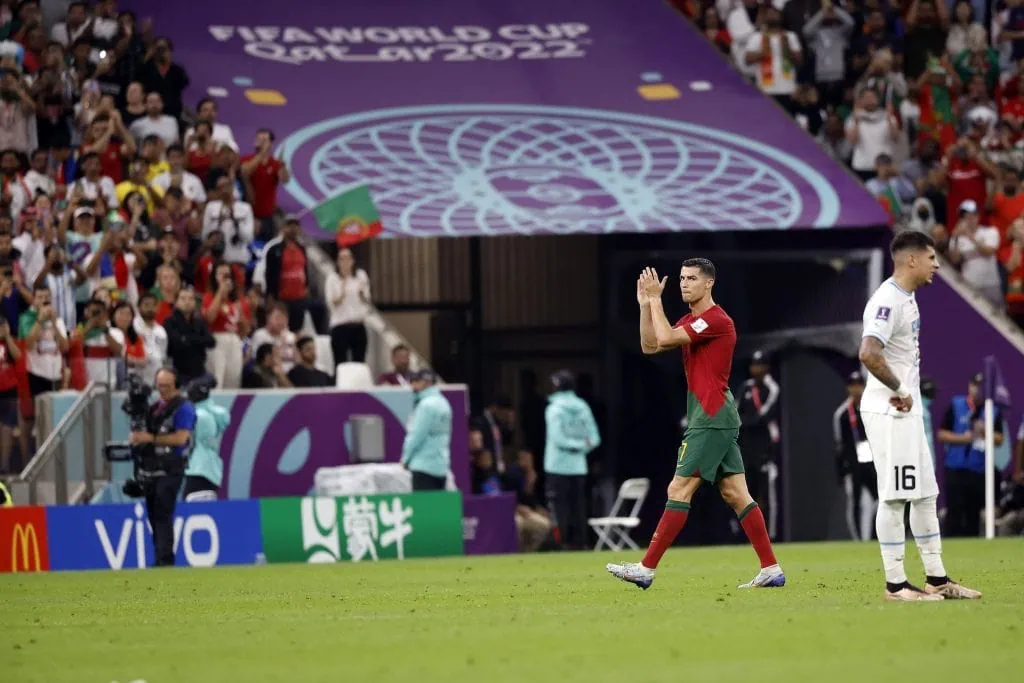
The proposal carries immediate political overtones. Russia remains suspended from FIFA and UEFA competitions because of decisions tied to international policy. A parallel tournament staged in Russia would almost certainly be interpreted as a deliberate challenge to the existing governance structure of world football.
The move would raise complex legal questions around player release from clubs’ commercial rights and international recognition of match results. FIFA retains exclusive authority over international match calendars and official competitions. Any attempt to run a tournament that competes for attention during the official World Cup would create friction with broadcasters, sponsors, and governing bodies.
From a sporting perspective, there are both risks and opportunities. The teams involved could gain valuable competitive minutes, and the event could become a showcase for overlooked talent.
Conversely, the lack of FIFA sanction could dampen the event’s credibility and make it difficult to secure top player participation if clubs or confederations refuse to cooperate. For star players under contract with top clubs, the decision to participate might carry professional consequences. The tournament could therefore be strongest as a spectacle rather than as a clearly sanctioned competition with legacy standing.
How Real Is The Plan
Multiple media outlets picked up the story after social posts and X messages circulated a proposed participant list and a short concept note. The most consistent theme across these reports is that the proposal is still exploratory and that no official confirmations have been issued either by the Russian Football Union or by FIFA.
Independent fact-checking would require formal documents or direct statements from federation officials. At present, the story reads as a high-risk initiative that would need cooperation from invited federations, broadcast partners, and perhaps club representatives to proceed.
Sponsorship money could be available, although top global brands might shy away from events that could be seen as politically charged. Broadcast deals would determine the tournament’s commercial viability, and those negotiations are notoriously complex when they involve conflicting rights holders.
What To Watch Next
Verification will come if federations accept invitations or if the Russian Football Union issues a formal outline including dates, stadiums and commercial partners.
Watch for statements from FIFA or continental confederations about whether they will take disciplinary action against teams or players who participate.
Monitoring the reaction from broadcasters and from federations in Africa, Asia, and South America will reveal whether the proposal has genuine traction or is mainly a symbolic move. Coverage over the coming days should clarify whether this remains a media ripple or becomes a headline-making feed into a genuinely organized alternative football event.
This story sits at the junction of sport and geopolitics. Football often finds ways to reflect the wider world in which it lives. The notion of a Russia-hosted alternative World Cup reveals how sport can be used for messaging as much as for match-day drama. The coming weeks will show whether this idea was a passing concept or the first chapter of a longer campaign to redraw parts of football’s global map.