
Manchester United Won’t Sign Anyone In January And Here’s Why

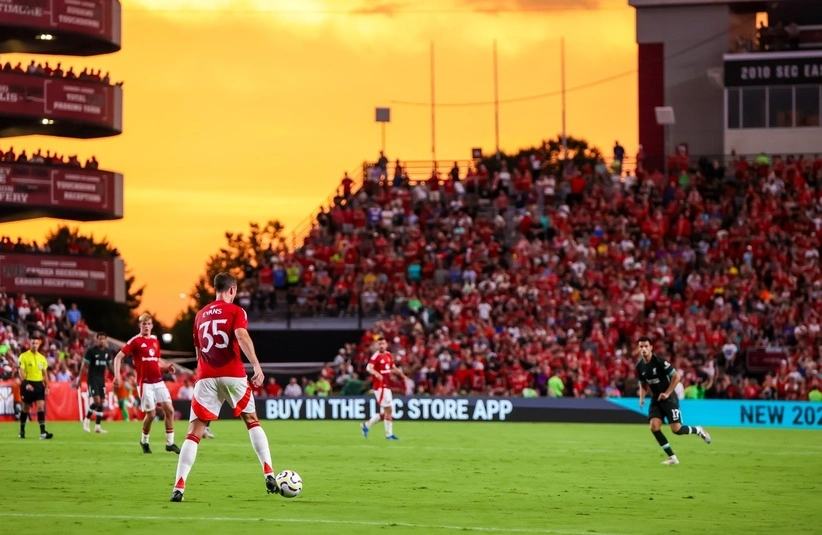
Manchester United’s January transfer window has taken an unexpected turn this year. In a season defined by upheaval, a change of head coach, and uncertainty on the pitch, the Red Devils have made a surprising choice. They are not expected to make any signings before the January 31 deadline.
With Michael Carrick now installed as interim head coach until the end of the 2025–26 campaign. The club’s transfer agenda appears to be rooted in long-term planning rather than short-term fixes. That direction has frustrated many supporters but reflects a deeper shift in how Manchester United are approaching squad building in 2026.
United’s January Transfer Philosophy Remains Unchanged With Carrick
Manchester United confirmed Michael Carrick’s appointment as interim head coach on January 13, 2026, after the sacking of Ruben Amorim. He will lead the team until a permanent boss is appointed in the summer. Carrick’s return to Old Trafford, where he is a club legend, has been welcomed by fans and players alike.
His emphasis has been on unity and trust, rather than drastic mid-season overhaul. Just as significant as Carrick’s appointment is what hasn’t happened since he took charge.
Despite plenty of speculation across social media and transfer columns, the club hierarchy have made it clear that there are no plans to back Carrick with January signings. Sources close to Manchester United have reiterated that Carrick will work with the squad he has inherited and that the transfer strategy is not being reshaped due to the coaching change.
This stance isn’t because United lack funds. Financially, the club is well-positioned to compete in the market. Reports have suggested that the club could even have met a substantial release clause for a player like Bournemouth winger Antoine Semenyo, before he ended up joining Manchester City instead.
That indicates the reluctance to spend isn’t due to a lack of money, but a choice about when to invest. The broader message from Old Trafford is that this January window is not the moment to chase short-term targets. Instead, the club is keeping their focus trained on the summer. When their priority players are more likely to be available, and when a permanent manager will have a clearer input on recruitment decisions.
Why United Are Focused On Summer Targets Instead Of January Fixes
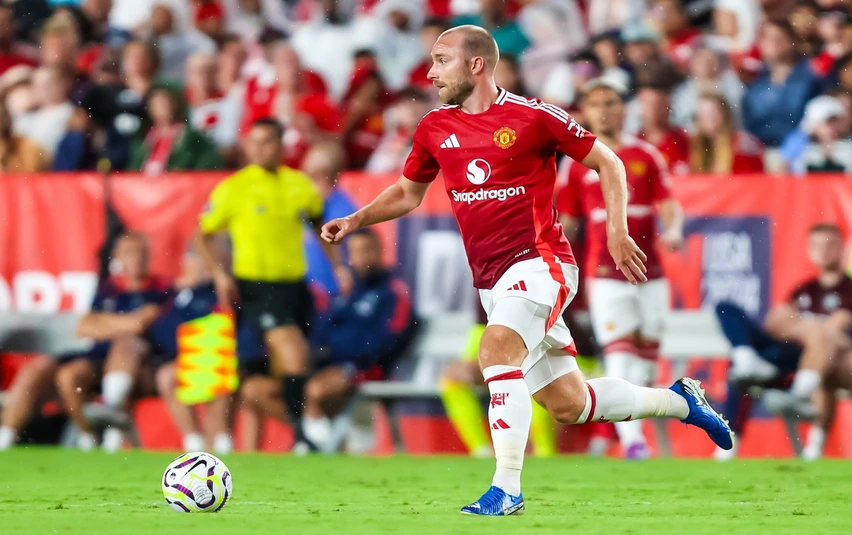
The decision to pass on January buys isn’t just about Carrick’s interim status. It also reflects a deeper strategic overhaul within Manchester United’s recruitment philosophy. Under the influence of CEO Omar Berrada and director of football Jason Wilcox, the club have signaled a desire to avoid the kind of panic-driven January signings that have plagued them in the past.
Historically, Manchester United have occasionally splashed cash in mid-season, only to see those additions fail to make a lasting impact. Those experiences have left a mark on the club’s leadership team, who now view January as a time for reflection and preparation rather than reaction. Any short-term reinforcements risk compromising the summer budget and reducing the club’s flexibility when the market truly opens.
The reality of the transfer market also plays into this decision. United’s most coveted midfield targets, players like Crystal Palace’s Adam Wharton, Nottingham Forest’s Elliot Anderson, and Brighton’s Carlos Baleba, are simply not available for moves in January.
Clubs fighting for survival or targeting their own goals at this stage of the season are unlikely to sell their best assets midway through a campaign. That limits United’s options dramatically. The squad is also closer to full strength than earlier in the season.
With key players returning from injuries and stars like Bryan Mbeumo and Amad Diallo back from international duty. There is a sense at Carrington that the existing group can still make a meaningful push in the league without external reinforcements. This calculus gave the board more reason to hold firm on their no-signings stance.
Carrick’s Role: A Bridge To A Bigger Rebuild
Equally important is the fact that Michael Carrick’s role is seen as a bridge rather than a foundation. His interim tag, even though United avoided calling him an “interim” officially to respect his stature, signals that the club sees this season as a reset rather than a long-term project.
That makes it difficult to justify investment in players who might not fit the next permanent manager’s vision. Carrick himself has not publicly demanded big transfer spending, preferring to emphasize tactical coherence and extracting the best from his current squad.
While there have been isolated rumours, such as speculative links to West Ham’s Lucas Paqueta, these have been widely debunked or treated with caution due to a lack of authoritative sources.
Even ESPN’s top transfer insiders have reiterated this sentiment, noting that Carrick will be expected to work with the existing players and that United have no plans for January reinforcements. That stability could be vital if United are to mount a credible challenge for a top-four finish in the league, even if it feels like an uphill battle with 17 matches left.
For United supporters, the hope now rests on a strong finish to the season and a clearer vision in the summer when a permanent manager, potentially a high-profile name with broader strategic influence, arrives. That scenario would allow United to target their most pressing weaknesses with precision rather than impulse.
What This Means For United’s Season And Fan Expectations
For fans, this news will be met with mixed emotions. On one hand, supporters have long called for smarter long-term planning and disciplined recruitment. Avoiding overpriced January signings and focusing on sustainable squad building aligns with that philosophy.
On the other hand, United’s current league position, outside the Champions League places and coming off poor recent form, means there is real urgency felt among the fanbase for fresh impetus. The practical upshot is that Carrick must navigate a challenging second half of the season with limited reinforcement options.
The defence still has question marks, the midfield could definitely be stronger, and United’s inconsistency remains a worry. Yet the club’s leadership appear willing to gamble on cohesion, tactical tweaking and youth integration rather than bringing in transient additions.
Looking ahead, the summer transfer window is shaping up to be pivotal for Manchester United. Identifying and signing long-term targets will likely define Carrick’s successor’s first real challenge. If the club can marry financial prudence with smart scouting and coaching, they could emerge stronger in 2026.
