
Manchester United Is Atrocious: How Are They Able To Spend So Much?

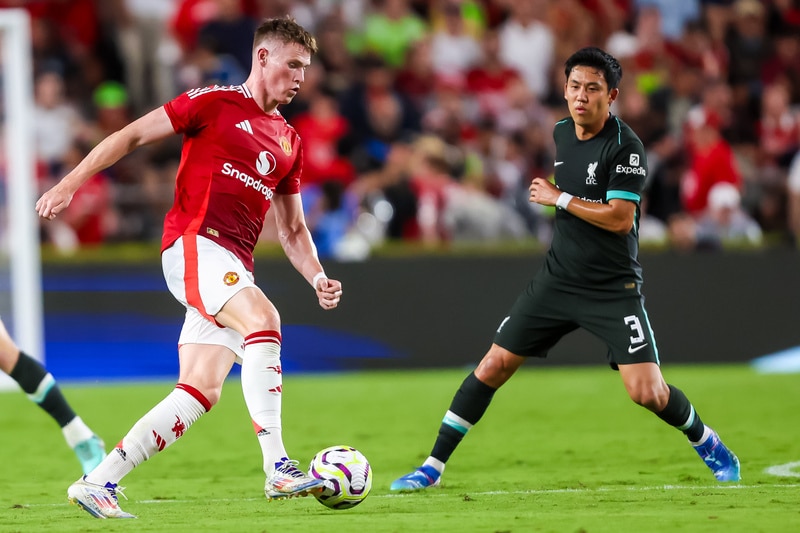
Manchester United finished 15th in the points and lost in the Europa league final meaning no Euro ball. Most would assume they could not spend like usual. However Manchester United already spent £83.2 million on Matheus Cunha and are currently talking with Brentford for Bryan Mbeumo for £70 million. So what gives. This is what I found out!
Why Manchester United Can Still Spend Big On Transfers!
Despite poor Premier League finishes and no Champions League, Manchester United’s finances remain unusually strong owing to record revenues, wealthy ownership injections, and accounting flexibility under financial rules. Manchester United’s global brand drives huge income streams, while recent injections from Sir Jim Ratcliffe’s Ineos group have bolstered the club’s balance sheet.
Although the club is carrying heavy long-term debt and has reported large losses, much of its spending can be amortized and offset, allowing continued heavy transfer outlays without immediate regulatory breach. Recent financial reports and expert analysis highlight the key factors.
Record Revenues!
Manchester United’s annual revenues recently hit a record £661.8 million (year to June 2024). The club’s lucrative commercial deals (e.g. shirt sponsorship with Qualcomm), global fanbase, and strong matchday sales have driven this total, even though Premier League finishes were poor. Ticket sales and matchday revenues set a record last year. Manchester United still ranks among the world’s richest clubs. In Deloitte’s 2025 Football Money League, United reported £651.3 million in revenue. The fourth-highest of all clubs in the world. This massive income provides a high spending limit.
The club forecasts revenues of roughly £650–670 million for 2025, only about £30 million lower than last year despite missing the Champions League. In effect, Manchester United’s rich commercial and broadcasting income (from Premier League TV deals) gives it far more room to spend than most clubs. Especially under new rules that cap spending at a percentage of revenue (see below).
Matchday and Broadcast Income
Old Trafford’s 75,000+ seats generate great matchday revenue. Even without Europe, Manchester United benefited from a successful Europa League run in 2025. Ticket sales jumped 50% in early 2025 compared to the previous year. Broadcast deals (domestic and international TV rights) also contribute hundreds of millions. Especially with ticket prices hiked before the year started.
Losing the Champions League does cut revenue about £30m–40m per year, but United can largely absorb that shortfall due to high overall turnover. For context, a non-European club under new Premier League squad-cost rules may spend up to 85% of revenue on squad costs meaning United’s top-line income alone permits hundreds of millions in transfers.
Heavy Debt Burden
A legacy of the Glazers’ leveraged buyout 20 years ago is large debt on United’s books. Their long-term financial debt (bank loans, bonds, etc.) stood at around £526 million (about $650 m) as of early 2025. In addition, Manchester United carries nearly £391 million in “transfer payables”. That is deferred installments owed to other clubs for recent signings. Together, total net debt (including unpaid transfer fees) has crossed £1 billion by some measures.
The club even formally acknowledged “significant losses each year totaling over £300m in the past three years.“ In 2023/24 alone, United lost £113.2 million on record revenue. Analyst reports note Manchester United’s total three-year losses would breach the Premier League’s old Profit & Sustainability cap (a £105m loss over three seasons) without adjustments.
Losses Largely Due To Costs and Amortization
These losses stem from high operating costs, especially player wages and transfer amortization, and no offsetting Champions League income. In FY2024, operating costs were £768.5 million, including £190.1 million of amortization of transfer fees (spreading each signing’s cost over the contract length).
Salaries rose (including Champions League bonuses), so costs exceeded revenues despite the club playing fewer home games than the prior year. The recent Europa League run will help narrow losses (one quarter’s net loss fell to £2.7m in Q3 2025 vs £71m a year earlier). But without Europe, United still runs at an operating loss.
Ownership Injections (Ineos Investment)
In late 2023/beginning 2024, Sir Jim Ratcliffe (Ineos) bought a minority stake (25%) and took charge of football operations. As part of that deal, he committed to invest $300 million (~£238 million) into Old Trafford infrastructure (training ground, stadium, etc.). In December 2024 he delivered the final £79.3 million of that £238 million pledge. While this cash was earmarked for facilities (not the squad), it indirectly “boosted [United’s] PSR headroom” by roughly £90 million.
In other words, owner capital injections count toward allowable losses under Premier League FFP rules, effectively letting the club spend more on transfers. Although the Glazers retained majority ownership and took the upfront proceeds from the stake sale, Manchester United itself received this infrastructure funding. The first net capital injection since the Glazers’ 2005 takeover.
In practice, Ratcliffe’s involvement means United has at least £240 million of fresh funding injected since 2023, part of which offsets past deficits (allowing continued spending) and part of which is being invested in lower-profile projects (training, redevelopment).
Cost-Cutting and Reorganization
To manage the losses Ineos has instituted widespread cost reductions. Over 250 club staff were made redundant, and non-essential expenditures (free staff meals, etc.) were trimmed. In January 2025, Manchester United famously raised ticket prices and eliminated many concessions, acknowledging the need to “maximize revenues.”
Chief Executive Omar Berrada (a Ratcliffe appointee) emphasizes “greater financial sustainability” and reorienting resources toward on-pitch performance. These austerity measures aim to eventually balance the books without owner bailouts. However, critics note fans are upset when cost cuts target staff and supporters while player wages remain enormous.
Morale at Old Trafford has dropped due to the rapid dehumanization of the staff. The Glazers themselves have been criticized for “milking the club” over the years. The family dividends and finance charges exceeded £1 billion, leaving Manchester United with high interest payments to service the debt.
Financial Fair Play Compliance
Under Premier League rules (the old PSR framework), Manchester United technically exceeded the nominal loss cap, but they remain compliant by using all allowed “adjustments.” Clubs can spread transfer fees over years, and can exclude certain costs “deemed in the general interest of football” (e.g. stadium or training investments) from PSR calculations.
United’s three-year losses (over £300 million) would normally breach the £105 million PSR limit, but amortization of recent signings and the Ratcliffe injections effectively pushed them back into compliance. No Premier League club has yet been punished under PSR for 2021–24, illustrating the leniency of the rules.
Looking ahead, the Premier League will introduce “squad cost” controls (70–85% of revenue caps) in 2025-26. Under those proposals, Manchester United (as a non-European club) could spend up to about 85% of its revenue on wages and transfers translating to roughly £550 million–£600 million per year given United’s income. Being one of the richest clubs, even that cap would allow them to maintain a larger squad than almost any other team.
In short, current FFP rules and pending spending caps accommodate United’s scale. The more you earn, the more you can spend, as Sky Sports noted. Nonetheless, club executives admit the trajectory isn’t sustainable without action. Manchester United warned fans that continued losses will jeopardize future compliance, hence the push to cut costs and raise revenues now.
Transfer Spending Pattern
Even with no Champions League, United has opened the wallet for each transfer window. For example, in Summer 2024 the club had a net spend of about £101 million on new players. Altogether, Manchester United has spent more than £200m on new signings since Ineos arrived (including fees for Centre backs De Ligt and Mazraoui, midfielder Ugarte, winger Yoro, etc.). High fees have been structured mostly in installments, with relatively little paid upfront. Reports note every major transfer (even when activating release clauses) has been done in stages to smooth the accounts.
At the same time, Manchester United has allowed some players to depart (often on loan) to trim the wage bill and potentially raise future profits. For example, in early 2025 the club publicly explored selling young homegrown talents (like Alejandro Garnacho) so that any transfer fee would count as nearly pure profit on the books.
A Balancing Act
In summary, Manchester United’s ability to keep spending hinges on its enormous revenue base and recent owner investments. Their off-field income remains world-class (only Real Madrid, Man City and PSG generate more). The ratchet of financial regulations – amortization rules, allowable losses, and forthcoming spending caps tied to revenue means Manchester United are legally able to write off this spending over time.
At the same time, Ineos’ cash injections (though labeled for infrastructure) have improved the club’s financial position, effectively giving it extra breathing room under FFP rules. However, the club openly admits that continuing large losses is not sustainable.
For now, United remains compliant by combining high revenues, deferred transfer accounting, and strict cost controls. But sources warn that without a marked turnaround on the pitch (and a return to European revenue), the cycle of heavy spending and cutting cannot go on indefinitely. Ultimately, United’s spending spree is financed by its gigantic global business but it comes with clear strings attached under modern financial rules.
