NASCAR’s Second-Tier Series Gets a New Name: O’Reilly Auto Parts Steps Up to the Plate

After 11 years of being called the NASCAR Xfinity Series, stock car racing’s proving ground for future stars is getting a makeover. Starting January 1, 2026, we’ll be watching the NASCAR O’Reilly Auto Parts Series because apparently, nothing says “back to our roots” quite like a sponsorship deal with an auto parts chain.
What’s interesting is that this makes sense. More sense than having an internet company sponsor a racing series, if we’re being honest here. But let’s dive into what this means for the sport and whether NASCAR is actually finding its way back home or just cashing another check.
NASCAR’s Quest to Return to Its Blue-Collar Roots
NASCAR President Steve O’Donnell has been singing the “back to our roots” song louder than a restrictor plate engine at Talladega. The sanctioning body told Ad Age in July that they were hunting for a creative agency to help steer the sport back to its “heartland roots” and reconnect with those blue-collar fans who built this thing from the ground up.
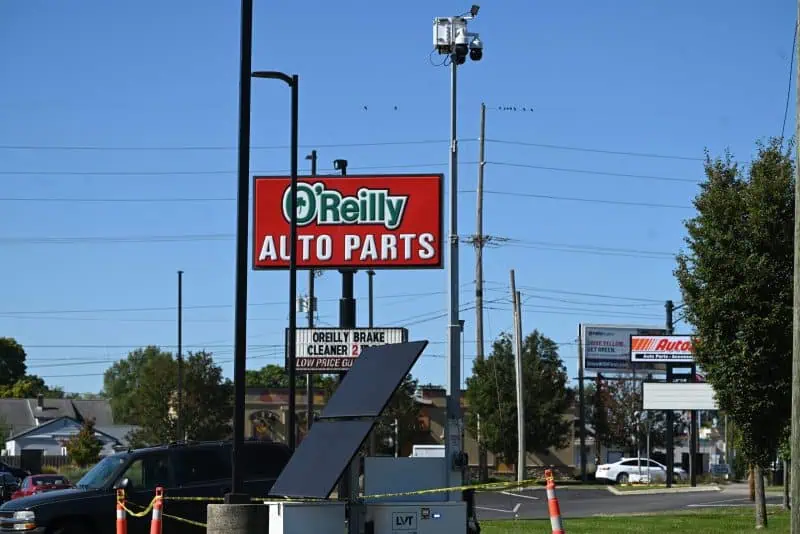
Enter O’Reilly Auto Parts. Founded in Springfield, Missouri, in 1957. The same era when NASCAR was finding its footing. This company has grown from a single storefront to over 6,400 locations across 48 states, Puerto Rico, Mexico, and Canada. It’s the kind of American success story that would make even the most cynical motorsports writer shed a tear. Almost.
The timing couldn’t be more perfect. Here’s NASCAR trying to convince everyone they’re not just another corporate entertainment product, and they land a sponsor that sells the parts these cars are built from. Revolutionary concept, I know.
Why This Partnership Makes Sense for NASCAR
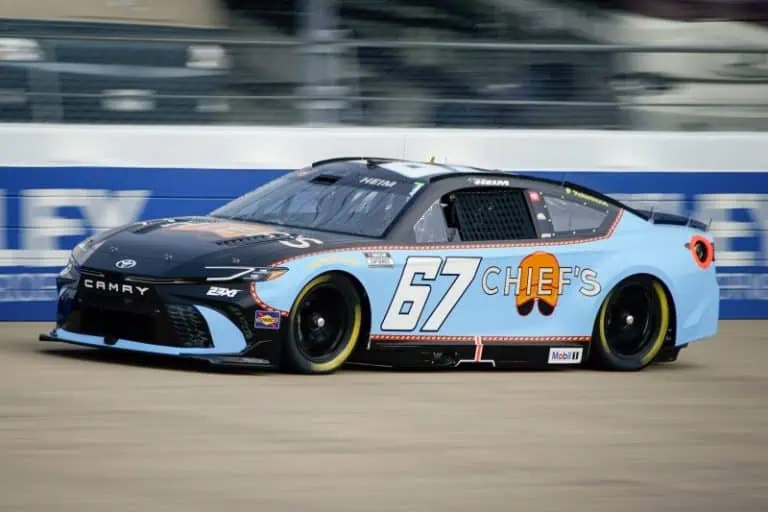
Let’s be real for a minute. The Xfinity Series has been the sport’s best-kept secret for years now. While Cup Series fans have been complaining about the Next Gen car producing parades instead of races, the second-tier circuit has been putting on shows with their older, more raceable machines. It’s almost like the “lesser” series has been outperforming the main event.
The numbers back this up. The series is averaging 1.1 million viewers per event this season, with 19 of 23 races topping the million-viewer mark. These are the best numbers since 2018, and that’s with a move to The CW Network. Not too shabby for racing that doesn’t get nearly the attention it deserves.
O’Reilly brings something Xfinity couldn’t: local market activation. With stores scattered across the country like confetti after a championship celebration, they can connect with fans where they live, work, and buy their motor oil. It’s grassroots marketing at its finest, and frankly, it’s about time NASCAR remembered what that looks like.
The Business Side: What We Know and What We Don’t
NASCAR was reportedly seeking $15 million in average annual spend between rights and activation. While neither party is revealing the financial terms, O’Donnell confirmed this is a “medium-term” deal, not a long-term commitment. That’s corporate speak for “we’ll see how this goes and renegotiate when the time comes.”
What’s interesting is how this deal came together. NASCAR initially worked with Klutch Sports Group to find Xfinity’s replacement, but ultimately negotiated directly with O’Reilly because of an existing relationship through NASCAR’s Motor Racing Network. Sometimes the best deals happen when you’re not looking for them.
The switch to an endemic sponsor, such as a company connected to the automotive world, sends a clear message. NASCAR is tired of explaining why a cable internet provider should care about racing. With O’Reilly, the connection is obvious: cars need parts, racing showcases performance, and performance sells products. It’s not rocket science, though you’d think it was based on some of NASCAR’s previous sponsorship decisions.
What This Means for Fans and the Future
For fans, this partnership promises more local engagement and in-store activations. O’Reilly VP of Advertising and Marketing Hugo Sanchez talked about deepening connections with “one of the most loyal fanbases in all of sports.” That’s not just marketing fluff because NASCAR fans are notoriously dedicated, even when the sport drives them crazy with questionable decisions.
The real test will be whether O’Reilly can maintain the momentum Xfinity built over 11 years. Say what you want about an internet company sponsoring a racing series, but Xfinity did right by the sport. They elevated the series profile, supported driver development, and helped create the pathway that’s produced champions like Kyle Larson, Joey Logano, and Brad Keselowski.
The Bigger Picture: NASCAR’s Identity Crisis
This sponsorship change represents more than just a name swap. It’s NASCAR’s latest attempt to reconcile its corporate aspirations with its working-class DNA. The sport has spent decades chasing mainstream acceptance and national television dollars, sometimes at the expense of the fans who made it what it is.
O’Reilly Auto Parts represents authenticity in a sport that’s often accused of selling its soul. Here’s a company that knows what it’s like to get grease under their fingernails, that understands the difference between a carburetor and a fuel injector, and that serves the people who turn wrenches for a living.
Whether this partnership signals a genuine return to NASCAR’s roots or just clever marketing remains to be seen. But at least now, when someone asks what the second-tier series has to do with racing, the answer won’t involve explaining internet connectivity speeds.
Final Thoughts
The NASCAR O’Reilly Auto Parts Series will make its debut on February 14, 2026, exclusively on The CW Network. Here’s hoping this marriage between racing and retail proves more successful than some of NASCAR’s previous corporate relationships. Because if there’s one thing this sport needs, it’s sponsors who understand why people fall in love with racing in the first place.