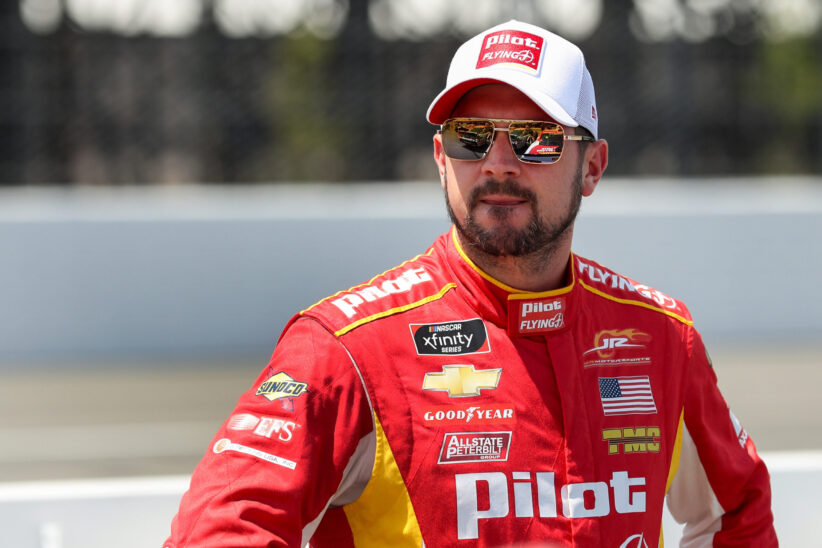
NASCAR Community Mourns the Passing of Michael Annett at 39

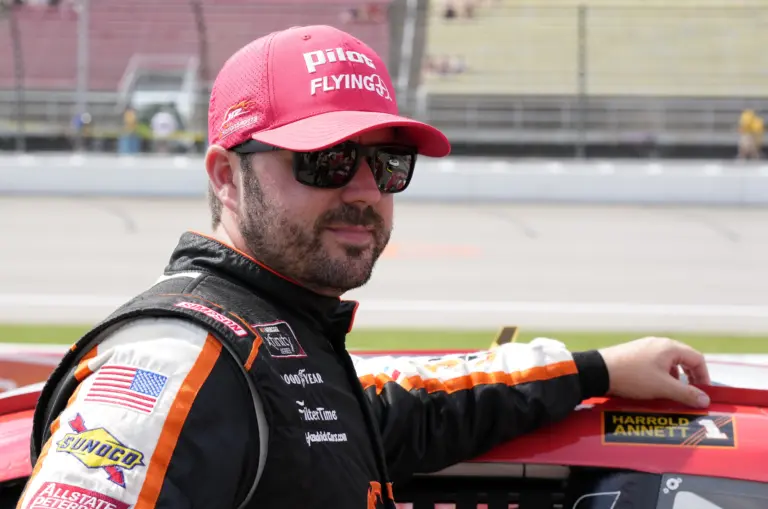
The racing world stopped on Friday evening. A silence fell over the garages, the grandstands, and the countless homes where fans have cheered for the No. 1 car over the years. Michael Annett, a man who spent his life chasing speed and battling adversity on the asphalt, has passed away at the age of 39.
For those of us who cover this sport, who watch these drivers grow from hopeful rookies to seasoned veterans, this kind of news hits different. It’s not just a headline. It’s the loss of a competitor, a teammate, and a member of the NASCAR family who left the track far too soon.JR Motorsports, the team Annett called home for the final chapter of his career, broke the news.
It was a simple statement, but the weight of it was immense. Annett was a fixture in the Xfinity Series, a driver who grinded for every position and every point. He wasn’t just someone who showed up. He was someone who fought to be there, overcoming injuries and setbacks that would have sidelined lesser competitors.
Annett’s Journey Through the Ranks
To understand what Annett meant to the sport, you have to look back at the road he traveled. He didn’t just appear in the top tiers of stock car racing. He worked his way up, start by start. Over his career, Annett made more than 100 starts in the Cup Series and over 300 in the Xfinity Series.
Those numbers represent years of travel, endless practice laps, and the grueling physical toll of professional racing. He drove for teams like Tommy Baldwin Racing and HScott Motorsports in the Cup Series underdog operations where a top-20 finish felt like a win. He fought for every inch of track in equipment that wasn’t always equal to the giants of the sport, yet he kept showing up, kept driving, kept pushing.
His best finish at the Cup level came on the sport’s biggest stage: the Daytona 500 in 2015, where he crossed the line in 13th place. It was a glimpse of what he could do when the playing field was leveled by the draft, a testament to his skill on superspeedways.
The Victory at Daytona
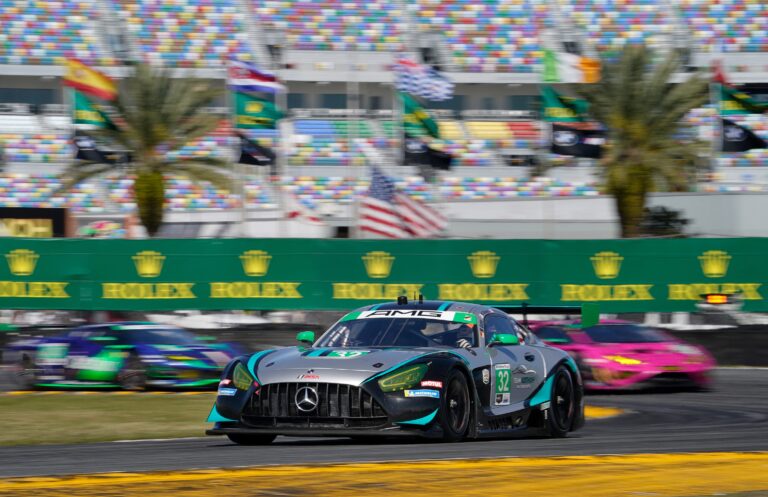
But if you want to talk about the defining moment of his career, you have to go back to Daytona in 2019. That was the day everything clicked. Driving for JR Motorsports in the Xfinity Series, Annett finally found his way to Victory Lane. Winning the season-opener at Daytona isn’t just another trophy; it’s a statement.
It’s etching your name into the history of the most storied track in American racing. For Annett, it was the culmination of years of hard work. He went on to have a stellar season that year, racking up five more top-five finishes and securing ninth in the points standings. It was the kind of season that proved he belonged.
Battling Through the Pain
Whatever statistics you look at, they don’t tell the full story of Annett’s toughness. The man dealt with injuries that would make most of us cringe. In 2013, a brutal crash at Daytona left him with a fractured and dislocated sternum. The impact was severe, slamming head-on into the wall, yet he returned to the seat as soon as he could.
Then, towards the end of his career in 2021, a stress fracture in his right leg plagued his final season. He missed seven races, forced to watch from the sidelines as his body betrayed his desire to race. He eventually made the difficult call to retire after that season, listening to his body after years of pushing it to the limit.
A Legacy Beyond the Track
Friday’s news is a stark reminder of how fragile life is. At 39, Annett had a whole second act ahead of him. He had transitioned from driver to spectator, from competitor to alumni. The tributes pouring in from teammates and rivals alike paint a picture of a man respected not just for his driving but also for his character. He helped build JR Motorsports into the four-car powerhouse it is today. He was a reliable presence, a steady hand, and a friend to many in the paddock.
As the engines fire up for the next race, a void will be left. The racing community is tight-knit, and when we lose someone, we all feel it. We remember the wins, sure, but we also recognize the struggles, the comebacks, and the person behind the helmet. Rest easy, Michael. You ran a good race.