
Kenny Wallace Does The Impossible Admits Mistakes: Well, Almost

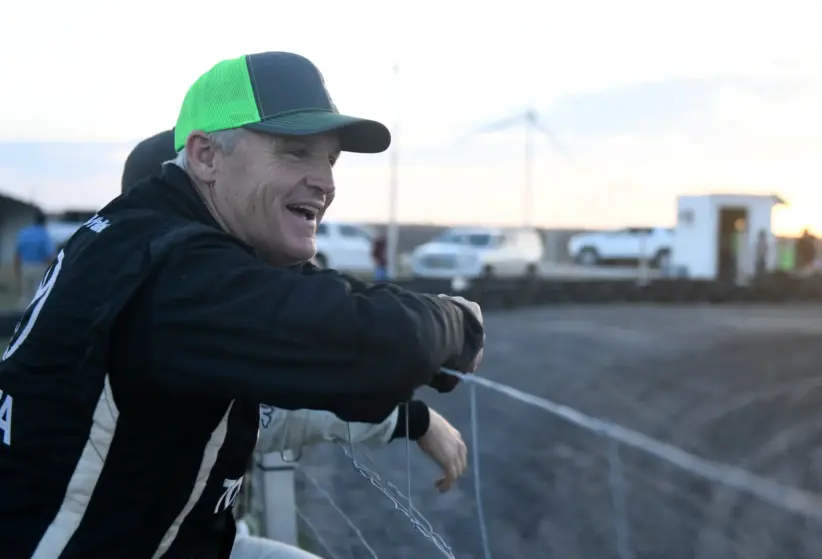
Kenny Wallace has had a tough time recently. He’s made a habit of running defense for NASCAR, which is already a challenging task. But after what was revealed in the 23XI FRM lawsuit. Even though he had to go against NASCAR, it doesn’t mean he didn’t run defense for NASCAR even during this, however.
Kenny Wallace’s Experience and How It Influences His Views
There’s an old saying in stock car racing: you can run 500 miles and still go nowhere. You can chase sponsorships, chase crowds, or chase the echo of what NASCAR once was, but if you never reckon with the ghosts on the grandstand seats, you’re not racing forward at all.
And in late December 2025, NASCAR veteran Kenny Wallace stepped up to the mic and claimed that the sport had finally started that reckoning. Only the truth, as always, is more nuanced. On his Coffee with Kenny series, Wallace, a driver who’s spent decades in garages, on dirt tracks, and in front of the camera, offered what sounded like a confession for NASCAR’s past: too many mile-and-a-half tracks.
Too few short tracks that fans once loved. Ticketing decisions that “priced everybody out.” He said the sport had been “humbled mightily” by those decisions and that leadership was ready to go “all hands on deck” to fix what was broken. He even volunteered to help if called upon.
Another Controversial Kenny Soundbite
For a sport often accused of stale talking points and canned PR responses, hearing someone like Kenny Wallace, a voice unafraid to roast a tire rule, critique a track choice, or call out “old and miserable” fan grousing talk this way felt, for a moment, like genuine self-reflection.
Wallace didn’t just offer blanket optimism. He named specifics that longtime observers have been pointing to for years: the loss of tracks like Rockingham and North Wilkesboro, the shift to soulless intermediates, and fan-unfriendly pricing, all things that resonated with the sport’s traditional base. But here’s where the story splits from the soundbite.
Saying the sport is “humbled” and that mistakes were made doesn’t mean NASCAR has actually admitted them, not in any formal way, not in any documented internal review, and certainly not in any clear plan published for fans to see. There’s a difference between a commentator’s opinion and an organization’s structured self-critique. The former is texture, the latter is transformation.
Kenny’s Earnest And Misguided Intentions
Wallace’s remarks are earnest, yes, but they’re also commentary, not a corporate mea culpa. NASCAR isn’t standing on a stage with a microphone telling the world “we blew it.” Leadership hasn’t released a comprehensive analysis of declines in fan engagement, tracked strategy missteps, or identified pricing policy failures.
What Wallace describes is the sport of listening, a far cry from the sport of admitting. In every era of NASCAR, there are drivers, commentators, and journalists who reflect the hopes of the fan base. Wallace is one such voice, unfiltered and passionate. But passion doesn’t equal policy.
Nor does Wallace’s willingness to jump into a rebuilding effort change the dynamic if that call from NASCAR never comes. He can say he’ll help “all hands on deck,” but until organizational action follows, his words hang in the balance between optimism and wish-casting. That’s not cynicism, that’s history speaking. NASCAR has a long memory of big proclamations that went nowhere, of “things we shoulda done” that got spoken but not solved.
Kenny’s Impacts
So yes: Kenny Wallace has done something rare, he’s said the things many fans have felt for years. He’s named the outhouse tiles that the leaky strategy poured through. And he has, in his own voice, framed it as a turning point. But to say that NASCAR as an institution has honestly admitted its mistakes and is ready to change?
That part is less a confession than a hope, and in NASCAR, hope is often louder than action.And that might be the honest admission: that the sport is listening more than it used to, but that’s still not the same as saying it’s done paying attention to what it heard.
