How Ferrari Can Solve Their Atrocious 2025!

Ferrari’s 2025 Formula 1 campaign has been plagued by a combination of technical inconsistency, strategic missteps, and driver adaptation challenges—all despite a strong driver lineup featuring Lewis Hamilton and Charles Leclerc. Let’s delve into the problems and outline plausible resolutions, touching upon car design, team structure, tactics, and personnel.
1. Inconsistent Performance & Technical Fragility
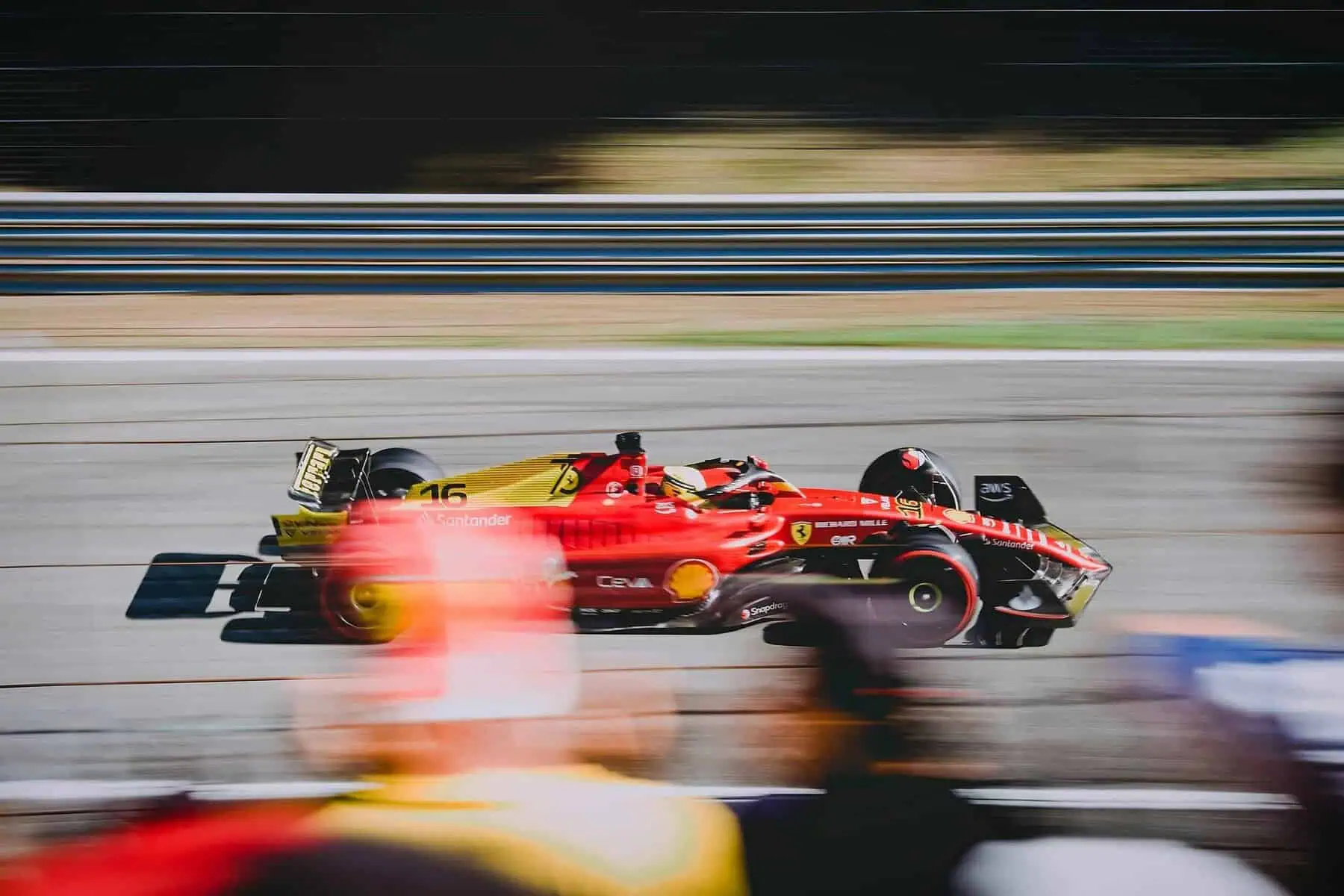
Balance issues: During early races like Australia and China, the SF-25 suffered from too much balance instability and too much downforce at the beginning of qualifying turned into an extreme understeer in race setup, losing 5–6 km/h on straights and unintuitive handling through medium-speed corners.
Ride-height sensitivity: To avoid plank wear and skid block infringements, Ferrari adopted a higher ride height at the cost of aero efficiency and lap time. Australia saw them piling it on to address regulation compliance instead of racing performance.
Cornering weaknesses: A recurring “six-season shortage” dulling competitiveness, Ferrari’s car has lacked stability through mid- and high-speed turns—a key shortfall undermining lap consistency.
2. Adventurous But Risky 2025 Concept
Ferrari’s switch to a pull-rod front suspension and new chassis philosophy (SF-24 to SF-25) was bold but this aggressive revision came at the expense of predictable handling. The team was accused of “blowing up” a car that had matured into a strong contender, undermining development momentum.
3. Strategic Shortcomings
In races like Melbourne and Miami, Ferrari had taken an aggressive pit and tyre strategy that missed rain-hit tyre changes was premature and lost track position. Hamilton was vocal in his criticism of strategic decisions on team radio at Miami where communication and execution were poor.
4. Driver Adjustment To New Car
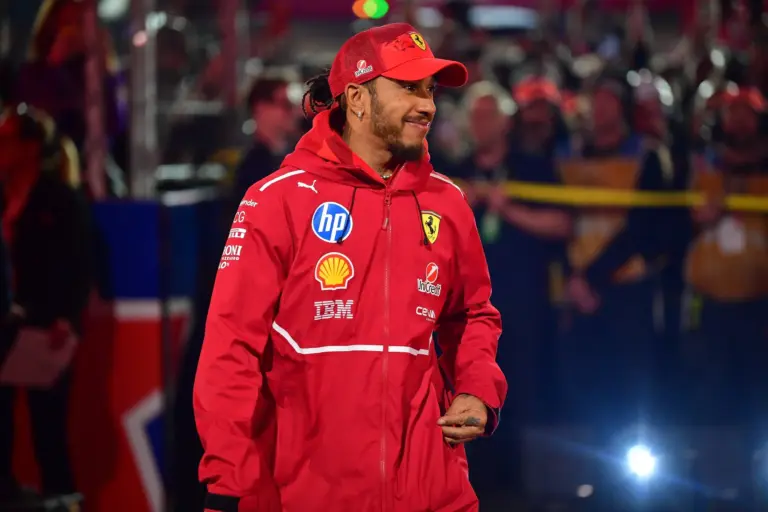
Lewis Hamilton: Having difficulty adapting to SF-25, especially during qualifying, Hamilton has been plagued by cold tyres, rear grip loss, and new steering response. He compared his situation with past difficulties of Ferrari drivers with technical changes.
Charles Leclerc: With flashes of pace, strategic underperformance decreased his confidence level as the car was not balanced affecting Leclerc’s race rhythm and assertiveness.
Ferrari Solutions That Must Be Implemented
1. Refine Suspension and Ride-Height Dynamics!
Engineers must go back to suspension geometry and compliance potentially alter stiffness, restoring ground clearance management, or changing gear casing materials to be made stronger under load.
2. Revamp Setup Philosophy!
Deprecate ultra-low-ride trim (utilized in sprints) instead adopt a tougher base setup with tire window stability and corner consistency prioritization across fuel and tire degradations.
3. Robust Strategic Coordination!
Streamline race talk and on-the-fly strategy adjustment. Ferrari must invest in Swiss-era discipline training to recover quicker from evolving conditions and driver input.
4. Best use of Technical Marketing Heads!
New chassis TD Loic Serra (from Mercedes), Ferrari now possesses experience in fine-tuning the SF-25’s performance character. Early feedback sets out tire behavior improvements this mandates rapid follow-up.
5. Balance Investment: 2025 vs 2026 Focus!
With a top-down regulation makeover in 2026, Ferrari must walk a tightrope of upgrades to fill 2025 holes without starving next year’s design cycle. Vasseur emphasizes iteration rather than wholesale redesign this year.
Outlook!
Ferrari’s season isn’t doomed. Friday’s pace shows the car has latent speed potential. But if technical reliability, setup consistency, and pit strategy don’t improve rapidly, they risk being overshadowed by McLaren, Mercedes, and Red Bull. With time and decisive action—fast deployment of Serra’s chassis fixes and streamlined tactical execution—Ferrari can stabilize their platform, regain driver confidence, and reenter the podium fight before the rule reset hits.