
Graham Rahal Slams Sebastian Bourdais, Calls Him a ‘Bad Teammate’

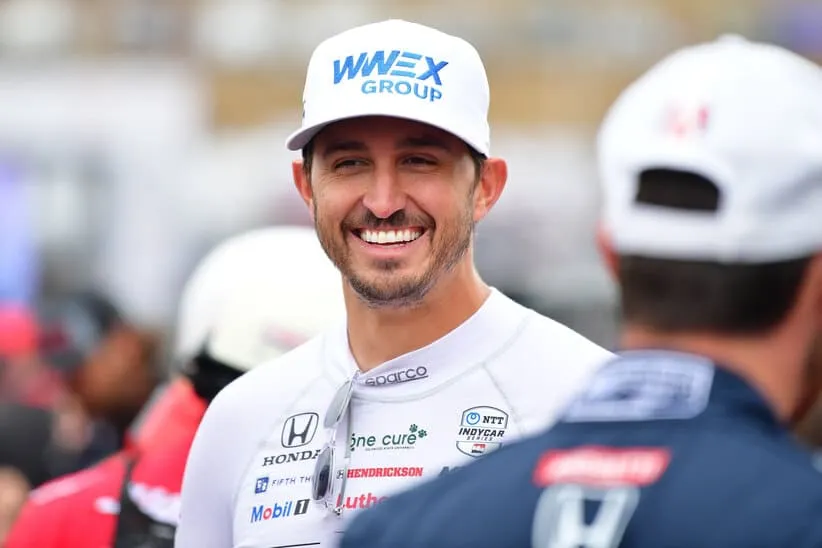
Graham Rahal rekindles his rivalry with Bourdais. And reminds people of their rivalry and that he hasn’t let bygones be bygones. Showing that the ideals that drove him through his long and successful career.
‘Bad Teammate’ Call Rekindles Old IndyCar Rivalries
Graham Rahal isn’t a driver known for holding his tongue, and his recent comments about Sébastien Bourdais labeling the veteran four-time IndyCar champion a “bad teammate” have sent ripples through the paddock.
It’s not every day you hear a seasoned racer accuse a peer of undermining team harmony, but his candid critique is as much about history as it is about perception and respect in open-wheel racing.
Rahal’s and Bourdais: The Everlasting Rivalry
The context here goes back years: Rahal and Bourdais have tangled before, most notably in the 2015 GoPro Grand Prix of Sonoma, when contact late in the race led to a confrontation between the two. Rahal, running inside the top ten, was spun by Bourdais in a move that effectively ended his shot at a strong finish, and afterward, he didn’t hide his frustration when addressing the incident trackside.
Rahal’s recent comments aren’t just about one incident. They reflect a long-standing tension between personal ambition and the collaborative reality of racing over a season. Rahal has always been a competitor who mixes aggression with strategy.
He’s also known for pushing but understanding the bigger picture of team dynamics and long-term success. When he singles out Bourdais as a “bad teammate,” it says as much about Rahal’s expectations for mutual accountability as it does about the Frenchman’s approach behind the wheel.
Sebastian Bourdais
Bourdais’ career, highlighted by four Champ Car titles and a reputation as one of the sharpest wheel-to-wheel talents of his generation, has never been short on controversy. He’s had his share of scuffles with other drivers over the years, from on-track battles to off-track tensions, and his intense drive sometimes rubbed his peers the wrong way.
Rahal’s blunt assessment taps into that narrative: excellence doesn’t automatically equate to cooperation, and in a sport where millimeters separate victory from collision, temperament matters. What makes his comments noteworthy isn’t just the headline. It’s the broader reminder that IndyCar drivers operate in a crucible of competition, respect, and rivalry.
Team chemistry matters in a series where teammates can be strategic assets or combustible liabilities. For Rahal, calling out Bourdais isn’t personal sniping so much as an assertion about what he believes good racing citizenship should look like.
What Now?
In an era where driver movements, team alliances, and intra-team dynamics are as influential as lap times, his words add fuel to the ongoing conversation about sportsmanship versus self-interest and how even icons of the sport are judged not just by results, but by how they carry themselves in the heat of battle.
