Graeme Lowdon’s Cadillac F1 Challenge: Building an 11th Team from Nothing

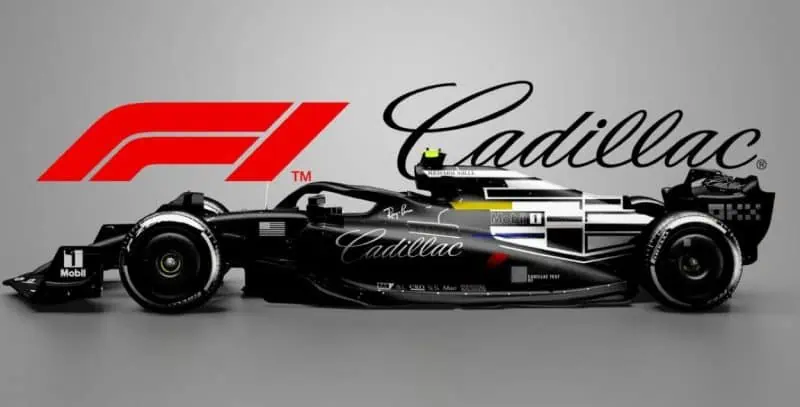
The countdown to 2026 feels different this time. While ten established teams prepare for another season, somewhere in the background, a massive undertaking is quietly taking shape. Graeme Lowdon sits at the center of what might be Formula 1’s most ambitious project in decades: creating the 11th team on the grid from absolutely nothing.
Six months have passed since the FIA gave Cadillac the green light. Six months remain until they’re expected to line up on the starting grid. The weight of that timeline isn’t lost on anyone involved, especially not on Lowdon, who carries the rare distinction of having done this before.
Lowdon’s Unique Perspective on Starting Fresh
When you’ve watched a Formula 1 team crumble around you, as Lowdon did with Manor Racing, you develop a particular appreciation for the monumental task ahead. His experience with Marussia and Manor wasn’t just about keeping cars on track, but about understanding every intricate detail that goes into making an F1 operation function.
“We know it’s a huge challenge,” Lowdon admits, and there’s something refreshing about his honesty. No corporate speak about how everything’s going perfectly to plan. Just the acknowledgment that building a Formula 1 team from scratch in 18 months is borderline impossible, which makes it exactly the kind of challenge that gets people like him out of bed in the morning.
The Formula 1 paddock has seen plenty of grand entrances over the years. Teams arrive with massive budgets, big promises, and flashy presentations. Some succeed. Many don’t. What makes Cadillac different is the methodical approach they’re taking, with Lowdon’s experience serving as their compass through uncharted territory.
The Reality of Building Everything from Nothing
Starting a Formula 1 team today isn’t the same as it was twenty years ago. The technical regulations are more complex, the financial requirements more substantial, and the competition fiercer than ever before. Every established team has decades of institutional knowledge, relationships with suppliers, and an understanding of the countless small details that separate success from failure.
Lowdon knows this better than most. His time managing Zhou Guanyu gave him insight into the modern F1 ecosystem from a different angle. At the same time, his advisory role in the project that became Cadillac F1 means he’s been thinking about this challenge for longer than the public realizes.
The emotional weight of the task is something outsiders rarely consider. When you’re building something from nothing, every decision carries enormous consequences. Hire the wrong technical director, and you could be fighting for relevance for years. Choose the wrong facility, and you’re handicapped before you start. Miss a crucial deadline, and the entire project could collapse.
Lowdon’s Strategic Approach to the Impossible
What strikes you about Lowdon’s approach is how he’s treating this as both an engineering challenge and a human one. Formula 1 teams aren’t just collections of carbon fiber and data, but they’re communities of people working toward a common goal under intense pressure.
His experience with Manor taught him that talent alone isn’t enough. You need systems, processes, and culture. You need people who understand that in Formula 1, “good enough” is never actually good enough. You need individuals who can handle the pressure of knowing that millions of fans will be watching every lap, analyzing every decision.
The target Lowdon has set isn’t just about showing up in 2026. It’s about achieving a specific goal. It’s about establishing Cadillac as a legitimate competitor, not just another team making up the numbers at the back of the grid. That ambition adds another layer of complexity to an already overwhelming task.
The Weight of American Expectations
There’s an additional pressure that comes with being Formula 1’s first truly American team in decades. The spotlight will be intense, the expectations enormous, and the margin for error virtually nonexistent. Lowdon understands that Cadillac isn’t just representing General Motors. They’re carrying the hopes of an entire nation of racing fans who want to see American success in the world’s premier motorsport series.
The emotional investment goes beyond simple national pride. American fans have been waiting for a team they can truly call their own, and Lowdon knows that disappointing them isn’t an option. Every decision he makes reverberates through a fanbase that’s already investing their hopes and dreams in a team that doesn’t even exist yet.
Final Thoughts
Building a Formula 1 team is hard enough when you’re just trying to satisfy shareholders and sponsors. When you’re also carrying the weight of national expectations, the pressure becomes almost unbearable. But perhaps that’s exactly what drives someone like Lowdon to take on challenges that others would consider impossible. The clock is ticking toward 2026, and Graeme Lowdon is racing against time itself. The question isn’t whether Cadillac will make it to the grid, but whether they’ll arrive ready to compete with the best in the world.