Connor Zilisch Makes Tough Call at Daytona: When Racing Hearts Meet Medical Reality

Sometimes in NASCAR, the hardest decision isn’t about when to pit or which line to take through turn three. Sometimes it’s about knowing when to walk away from a machine that could take you to Victory Lane. That’s precisely what 19-year-old Connor Zilisch faced at Daytona International Speedway this evening. With a dozen screws and a titanium plate holding his shoulder together, the young driver made a decision that showed wisdom beyond his years.
The Weight of Metal and Determination
Picture this. You’re sitting in pole position at one of NASCAR’s most prestigious tracks. Your car is fast enough to win. The crowd is buzzing with anticipation. But underneath your firesuit, fresh surgical hardware reminds you with every movement that your body isn’t quite ready for battle. Connor Zilisch found himself in this exact situation when qualifying got washed out due to the weather at Daytona.
The pole position was his by default, but the smart money said he shouldn’t be there at all.”It all felt good, as I expected,” Zilisch explained after making the call that would frustrate any competitor worth their salt. “It’s just not worth the risk to put myself in danger of having a big wreck and re-injuring something that’s so freshly injured.” The kid gets it. Racing is about calculated risks, and sometimes the calculation says you sit this one out.
When Celebration Becomes Catastrophe
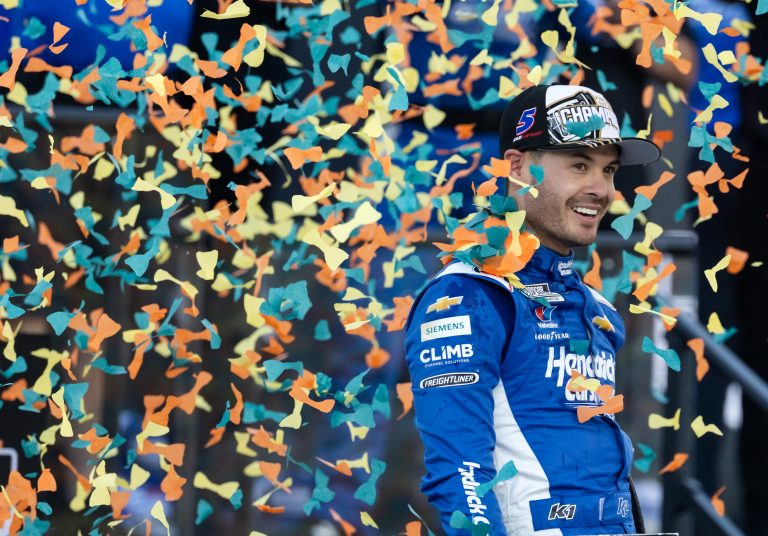
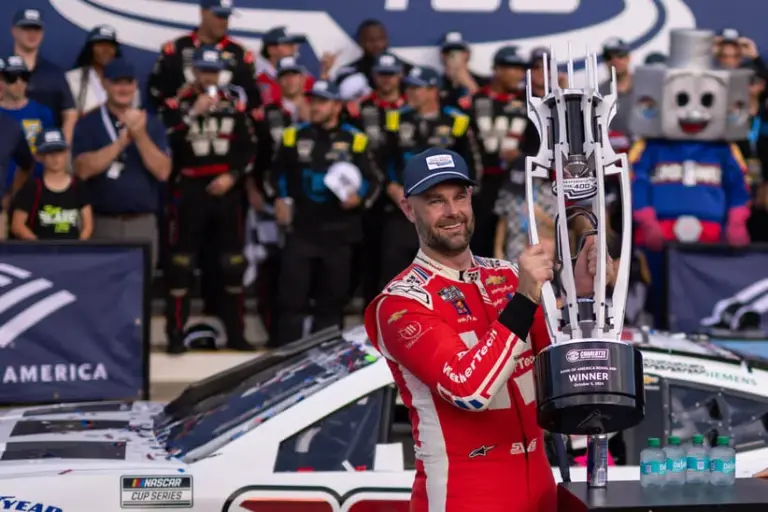
The whole mess started two weeks earlier at Watkins Glen International. Connor Zilisch had just earned his first NASCAR Xfinity Series victory, and like any 19-year-old would, he was ready to celebrate in style. But Victory Lane celebrations can be tricky business, especially when you’re climbing on top of a race car.
One wrong step later, Zilisch was on the ground with a broken collarbone. Just like that, triumph turned into medical drama. The injury required surgery, leaving him with enough metal in his shoulder to set off airport security for years to come.”It shouldn’t be part of it, but because I fell off my race car, it is part of it,” Connor Zilisch said with the kind of honesty that makes you respect the hell out of someone.
The Substitution Strategy
When Connor Zilisch made the call to climb out of the No. 88 JR Motorsports Chevrolet, Parker Kligerman was ready to slide in. This wasn’t some last-minute scramble. Teams plan for these situations because injuries happen in racing. It’s part of the business.
The arrangement worked in Zilisch’s favor from a points perspective. Any points Kligerman earned would still go to Zilisch in his quest for the regular season championship. But here’s the catch that would eat at any competitor: stage wins and race victories earned by Kligerman wouldn’t count toward Zilisch’s playoff bonus points. That’s a tough pill to swallow when you’re looking at a car capable of winning at Daytona.
Racing Intelligence Beyond His Years
What struck onlookers about this whole situation was how Connor Zilisch handled it. At 19, most drivers would’ve strapped in and hoped for the best. The competitive fire burns hot at that age, and the thought of watching someone else wheel your car around Daytona would be torture. But Zilisch showed the kind of racing intelligence that usually takes decades to develop.
He understood that one bad hit could turn a minor setback into a career-altering injury. He had confidence in his backup plan and the maturity to execute it.”There aren’t many guys I’d rather have than him,” Connor Zilisch said about Kligerman. “I’m excited to watch him. “That’s not the talk of someone making excuses. That’s the talk of someone who understands the bigger picture.
The Daytona Dilemma
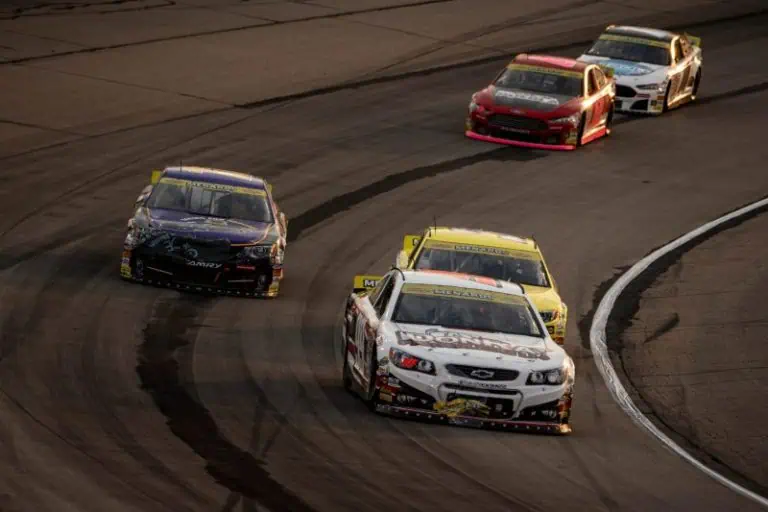
Daytona presents unique challenges even for healthy drivers. The superspeedway racing style puts cars three and four wide at 200 miles per hour, and when things go wrong, they go wrong in a hurry. For someone carrying fresh surgical hardware, every bump and jar becomes a concern.
Connor Zilisch knew that mixing it up in the middle of the pack wasn’t smart given his condition. Starting from the rear might’ve been the safe play, but even that carried risks at a track where the entire field runs in tight formation. The early caution for the weather gave him the perfect opportunity to make his exit. No drama, no second-guessing, just a clean transition to Plan B.
Looking Forward
The decision Connor Zilisch made at Daytona won’t show up in any highlight reels, but it might be one of the smartest moves of his young career. Racing careers are marathons, not sprints, and sometimes the best way to win the long game is knowing when to fold a good hand. His shoulder will heal. The metal will settle in.
And when he’s back to full strength, that competitive fire will burn just as hot as ever. But the wisdom he showed in that moment at Daytona? That’s something that will serve him well for years to come. In a sport where toughness is measured by how much pain you can endure, Connor Zilisch proved that sometimes the toughest thing you can do is admit you’re not ready. That takes guts, and it takes smarts.