
Miami Dolphins Urged To Avoid Malik Willis In Free Agency; Look To 2027

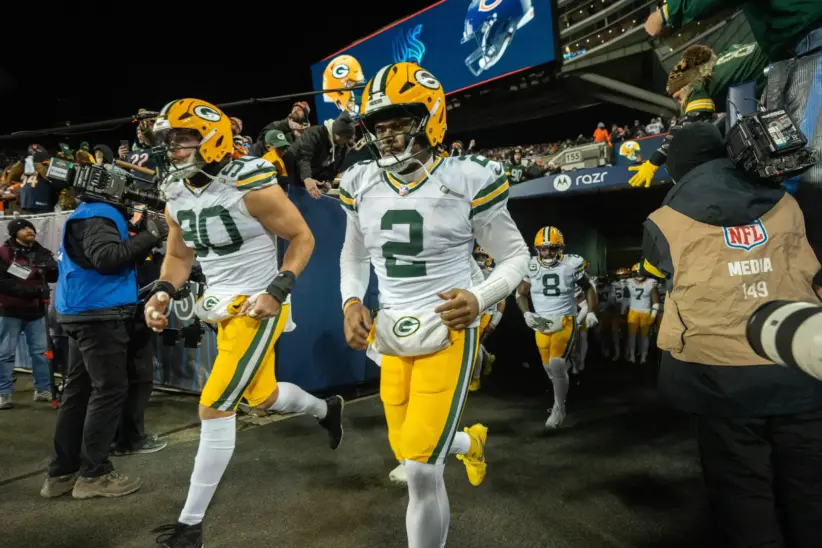
The Miami Dolphins are at a massive crossroads. With the Tua Tagovailoa era seemingly in the rearview mirror, the franchise is staring down a decision that will define the next five years of football in South Florida. The temptation to find an immediate “savior” at quarterback is overwhelming. Every team wants their franchise guy now.
Miami Dolphins Heavily Linked To Malik Willis
However, a growing sentiment—championed notably by Chris Perkins of the South Florida Sun Sentinel—suggests the smartest move for Miami might be the one fans want to hear the least: Wait. The buzz around signing Green Bay Packers breakout Malik Willis is getting louder, but committing to him in 2026 could be a trap the Dolphins need to avoid.
The High Risk of a Malik Willis Investment
On the surface, Malik Willis looks like an exciting option. He played efficient football for the Packers in limited action, showing off the raw athleticism and arm talent that made him a draft darling years ago. But when you peel back the layers, the risk profile is terrifying for a team trying to rebuild properly.
The primary issue is sample size. We are talking about a quarterback with a handful of meaningful NFL starts. If the Dolphins were to sign him in free agency, it wouldn’t be for backup money. The market for starting quarterbacks—even unproven ones—is inflated. We could be looking at a contract worth $20 million or more annually.
If Willis comes in and struggles, or if he loses a training camp battle to a veteran bridge quarterback, Miami is suddenly stuck with a massive financial anchor. That salary becomes “dead money” walking, clogging up the salary cap and preventing the team from addressing other roster holes. Handing franchise-level money to a player who hasn’t proven he can carry a franchise over a full 17-game season is a gamble that desperate teams make. The Dolphins need to be calculated, not desperate.
The 2026 “Bridge” Strategy
So, if not Willis, then what? The alternative strategy is less sexy but potentially more effective: embrace the “bridge year.”
The reality of the 2026 quarterback market and draft class is that it lacks sure-fire, slam-dunk prospects. Instead of forcing a square peg into a round hole, the Dolphins could sign a competent veteran to steer the ship for a year. Perkins suggests options like Kirk Cousins or potentially creating a competition room with a returning player like Quinn Ewers and a mid-round rookie.
This approach allows the Dolphins to pour resources into the rest of the roster. The recent NFL playoffs showed us something important: quarterback play across the league was actually down. Defense and trench play are keeping teams competitive. By saving the money they would have thrown at a risky QB prospect, Miami can invest heavily in their defense, building a unit that can win games regardless of who is under center.
Eyes on the Prize: The 2027 Quarterback Class
The strongest argument for passing on a quarterback in 2026 is what’s waiting on the horizon. The 2027 landscape offers a potential reset button that looks far more promising. By preserving cap space and draft capital now, the Dolphins position themselves to be major players when the next wave of talent arrives.
The 2027 draft class is already generating hype with names like Texas’ Arch Manning, Oregon’s Dante Moore, and Ohio State’s Julian Sayin potentially entering the fold. These are prospects that scouts have been tracking for years, offering a higher ceiling than the uncertainty currently available.
Additionally, the free agent or trade market in 2027 could open up with more established names. While it’s hard to predict exactly who will be available, having financial flexibility is the greatest weapon an NFL front office can have. Tying that flexibility up in Malik Willis now removes Miami from those future conversations before they even begin.
Avoiding the “Quick Fix” Trap
History is littered with NFL teams that panicked, signed a “flash in the pan” quarterback to a big deal, and set their franchise back three years. It is easy to convince yourself that the best option currently available is a good option. That is often a lie.
The Dolphins have a chance to break the cycle of mediocrity by refusing to settle. It requires patience, which is in short supply in the NFL, but building a sustainable winner requires a solid foundation. Committing to Malik Willis in 2026 feels like a roll of the dice. Waiting until 2027 to find the true long-term answer feels like a plan.
For Miami, the best move right now might be to do nothing drastic at all.
