Green Bay Packers Have The Youngest Roster In The NFL For The 3rd Straight Year

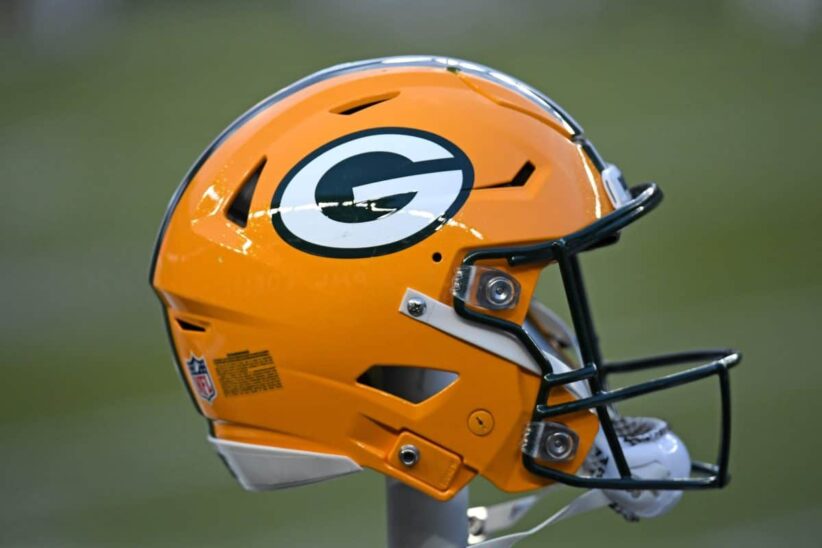
The Green Bay Packers have achieved something remarkable in today’s NFL landscape—for the third straight year, they’ve assembled the youngest roster in the league. With an average age of just 25.23 years across their 53-man roster, the Packers have created a sustainable model that prioritizes long-term development over short-term veteran acquisitions. This youth movement isn’t accidental; it’s a calculated strategy that reflects the franchise’s commitment to building something special in Green Bay.
Green Bay Packers Roster: The Numbers Tell a Story
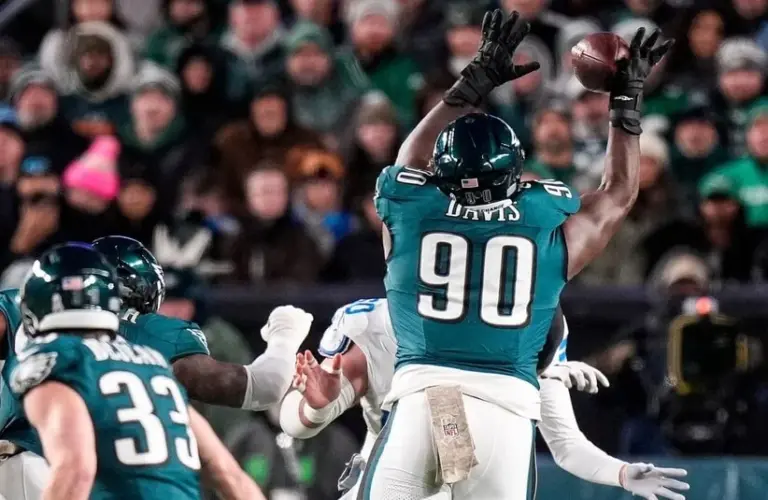
According to PhillyVoice’s Jimmy Kempski, who analyzed every NFL team’s roster composition, the Packers’ average age of 25.23 years puts them ahead of even the second-youngest team, the Philadelphia Eagles, at 25.49 years. What makes this gap even more significant is the mathematical reality: the difference between Green Bay and the third-youngest team (Dallas Cowboys at 25.74) equals the same gap between Dallas and the league’s median team.
This consistency over three years demonstrates something beyond luck or circumstance. It shows organizational commitment to a philosophy that values development potential over immediate impact. While teams like the Pittsburgh Steelers (27.28) and Washington Commanders (28.09) have aged rosters built for immediate success, Green Bay continues to invest in tomorrow’s stars.
Matt LaFleur’s Development Philosophy
Head coach Matt LaFleur has overseen this youth movement since taking over in 2019, and his approach has become increasingly clear. Rather than patch roster holes with veteran Band-Aids, the Packers consistently choose to develop young talent within their system. This philosophy extends beyond simple roster construction—it influences everything from practice structure to game planning.
LaFleur’s offense thrives on precision and timing, elements that benefit from players growing up together in the system. Young players who learn the nuances of Green Bay’s scheme early often outperform veterans who arrive with preconceived notions from other systems. This approach has paid dividends with players like Jordan Love, who spent years developing behind Aaron Rodgers before taking over as the franchise quarterback.
The coaching staff’s patience with young players has created an environment where mistakes become learning opportunities rather than reasons for replacement. This developmental mindset permeates the organization, from position coaches who work closely with rookies to veterans who understand their role as mentors.
Strategic Implications of Youth
Maintaining the NFL’s youngest roster for three consecutive years requires deliberate decision-making at every level. The recent roster cuts provide perfect examples of this philosophy in action. The Green Bay Packers chose to keep rookie cornerback Micah Robinson while releasing veteran linebackers Isaiah Simmons and Kristian Welch, despite having only four linebackers on the active roster.
This decision illustrates the organization’s willingness to accept short-term risk for long-term gain. Robinson represents future potential, while Simmons and Welch offered immediate depth. The fact that Green Bay chose development over security speaks volumes about their confidence in their system.
The financial benefits of this approach cannot be overstated. Young players on rookie contracts provide exceptional value, allowing the franchise to allocate resources toward key veteran pieces while maintaining competitive depth. This salary cap management has enabled the Packers to retain core players while continuously injecting fresh talent into the roster.
Key Contributors to the Youth Movement
Several players exemplify Green Bay’s commitment to youth development. Jordan Love represents the most visible success story, transforming from a developmental quarterback into a franchise cornerstone. His journey illustrates why the Packers maintain patience with young talent.
On defense, players like Quay Walker and Devonte Wyatt have grown into impact players after being selected in recent drafts. Their development trajectory shows how the organization’s patience pays off when young players are given time to adjust to NFL speed and complexity.
The wide receiver room showcases this philosophy perfectly. Jayden Reed, Romeo Doubs, and Christian Watson represent different draft classes but similar developmental arcs. Each player has faced challenges early in their careers, but the organization’s commitment to their growth has resulted in a talented, cohesive unit that should improve together over time.
Competitive Context
The contrast with other NFL teams makes Green Bay’s approach even more striking. The Washington Commanders, sitting at 28.09 years average age, represent the opposite philosophy. They’ve committed to an aging roster while possessing limited future draft capital—they’re expected to have only two selections in the top 165 picks of the 2026 draft.
Philadelphia’s position as the second-youngest team at 25.49 years suggests they’ve adopted a similar long-term approach. Both teams seem to recognize that sustained success requires continuous talent infusion rather than periodic veteran acquisitions to fill immediate needs.
The Pittsburgh Steelers’ older roster (27.28 years) reflects their traditional approach of acquiring proven veterans to maximize their championship window. While this strategy can produce immediate results, it often creates future salary cap challenges and roster turnover.
Challenges and Risks
Maintaining such a young roster isn’t without risks. Inexperience can lead to costly mistakes in crucial moments. Young players may struggle with the mental aspects of the game, particularly in high-pressure situations where veteran presence becomes invaluable.
The linebacker situation exemplifies these challenges. With only four linebackers on the roster and the likelihood that either Simmons or Welch returns after injured reserve moves, the Packers are gambling that their young players can handle increased responsibility. If injuries strike, this depth gamble could expose the team’s vulnerability.
Young rosters also face consistency issues. Players in their early NFL careers often experience performance fluctuations as they adjust to professional demands. This variability can make game-planning difficult and create unpredictable results.
Long-term Vision
The Green Bay Packers’ three-year streak as the NFL’s youngest team reflects a broader organizational philosophy that prioritizes sustainable success over short-term gains. This approach requires patience from fans, confidence from ownership, and buy-in from the coaching staff.
General Manager Brian Gutekunst has consistently supported this vision through his draft selections and free agency approach. Rather than chase expensive veteran free agents, he focuses on identifying value signings that complement the team’s youth movement while maintaining competitive balance.
The development infrastructure supporting these young players has become increasingly sophisticated. From advanced analytics that help identify improvement areas to veteran mentorship programs that accelerate learning curves, the organization has created systems designed to maximize young talent.
Future Implications
As the 2025 season approaches, the Green Bay Packers’ commitment to youth will face its ultimate test. Can a roster averaging 25.23 years compete with veteran-laden teams in crucial moments? The answer may determine whether other NFL franchises adopt similar long-term development strategies.
The success or failure of this approach extends beyond wins and losses. If Green Bay can maintain competitiveness while developing young talent, they’ll have created a sustainable model that other organizations will study and potentially emulate.
The financial implications remain significant. Young rosters provide salary cap flexibility that enables strategic veteran acquisitions when championship windows open. This patient approach to roster construction could position the Packers for extended success rather than brief competitive peaks.
Conclusion
The Green Bay Packers’ three-year reign as the NFL’s youngest team represents more than statistical curiosity—it reflects an organizational philosophy that values development, patience, and long-term thinking. Under Matt LaFleur’s leadership, the franchise has created a culture where young players can grow, learn, and eventually thrive.
Whether this approach yields championship results remains to be seen, but the consistency of the strategy demonstrates remarkable organizational alignment. In a league often driven by immediate gratification and short-term fixes, Green Bay’s commitment to youth development stands as a bold statement about building sustainable success.
As the 2025 season unfolds, all eyes will be on whether the NFL’s youngest roster can compete with more experienced teams when games matter most. The answer will likely influence how other franchises approach roster construction for years to come.