
Green Bay Packers Likely To Draft Quarterback After Missing Out On Kirk Cousins

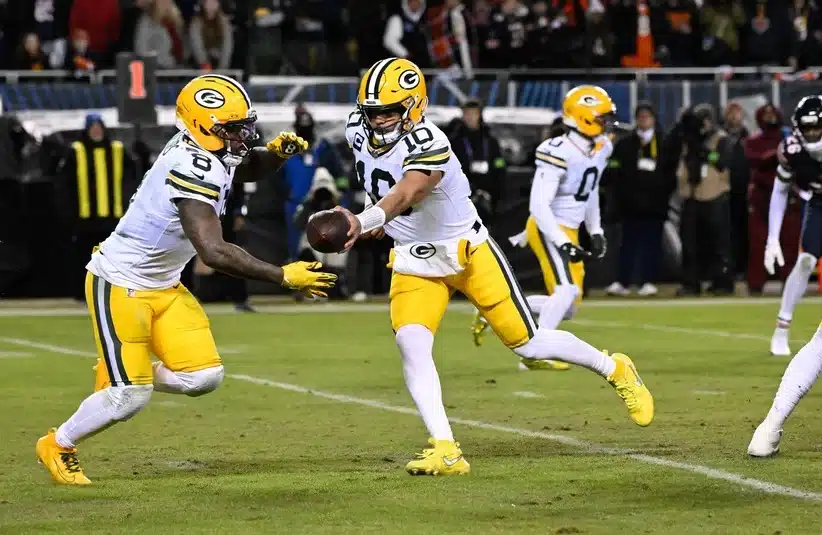
The Green Bay Packers entered the offseason with a clear desire to upgrade their backup quarterback position. Management openly expressed interest in signing veteran Kirk Cousins to sit behind franchise starter Jordan Love. However, Cousins ultimately decided to sign with the Las Vegas Raiders for a chance to start.
This decision leaves general manager Brian Gutekunst with a glaring hole on the depth chart and limited veteran options. As the free-agent market dries up, the Packers are highly likely to pivot their strategy. Expect the Packers to target a quarterback on Day 3 of the upcoming NFL Draft.
Green Bay Packers Current QB Room
The Green Bay Packers have their franchise centerpiece in Jordan Love. He proved he can lead Matt LaFleur’s offense at a high level. However, the depth behind him presents a significant question mark.
Currently, the roster features Desmond Ridder and Kyle McCord as the primary backup options. Ridder brings some starting experience from his time with the Atlanta Falcons. At 26 years old, he offers a baseline level of competence if called upon. McCord, a former sixth-round pick by the Philadelphia Eagles, remains a strictly developmental prospect.
With Cousins off the table, the remaining free-agent pool looks incredibly thin. Veterans like Jimmy Garoppolo or Tyrod Taylor come with scheme familiarity or extensive experience, but they also carry age concerns and potentially higher price tags than the front office prefers to pay a backup. Because of this shallow talent pool, the draft presents the most logical path forward.
Shifting Focus to a Day 3 Draft Strategy
Drafting a quarterback on Day 3, spanning rounds four through seven, makes perfect sense for the Packers right now. The team does not need an immediate starter, so spending a premium Day 1 or Day 2 pick on a signal-caller would waste valuable resources. Instead, Day 3 allows the front office to take a calculated swing on a developmental player with specific traits that fit LaFleur’s offensive system.
Selecting a quarterback late in the draft immediately creates healthy competition for Desmond Ridder. A rookie brings fresh energy and a highly affordable four-year contract. If the coaching staff can identify a smart, accurate passer who processes information quickly, they can mold him into a reliable backup. You do not need a superstar at the QB2 spot; you simply need someone who can manage the game and keep the offense on schedule if Love misses time.
Implications for the Packers’ Future
This shift in strategy reveals a broader philosophy for the Green Bay front office. By utilizing Day 3 picks on quarterbacks, the Packers can build a sustainable, cost-effective pipeline of developmental talent.
Paying top dollar for premium veteran backups quickly eats into the salary cap. As Jordan Love’s contract demands grow, the team must find ways to save money elsewhere. Drafting and developing late-round quarterbacks provides ultimate financial flexibility. Furthermore, if the team successfully develops a Day 3 pick into a competent player, that quarterback becomes a valuable trade asset down the line.
What to Watch For Next
The Packers missed out on their top veteran target, but they remain well-positioned to address the backup quarterback spot. As the NFL Draft approaches, keep a close eye on the later rounds. Look for Green Bay to target a smart, scheme-friendly prospect to push Desmond Ridder and secure the depth chart behind Jordan Love. Track the team’s pre-draft visits over the coming weeks to see which late-round prospects they bring into the facility for deeper evaluations.
