
Green Bay Packers Tumble in NFLPA Report Card: Matt LaFleur Takes A Big Hit

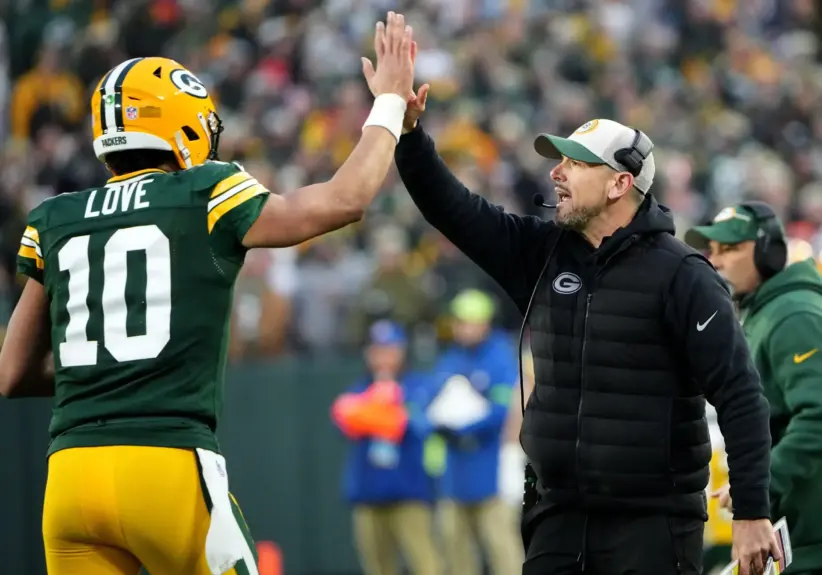
For years, the Green Bay Packers have prided themselves on being a world-class organization. From the hallowed grounds of Lambeau Field to the way they treat their players, “The Packer Way” has been a standard of excellence in the NFL. However, the latest NFLPA report card suggests that standard is slipping—and fast.
Green Bay Packers Plummet In Rankings
In a shocking turn of events, the Packers plummeted 14 spots in the annual rankings, landing at 21st overall. This represents the steepest year-over-year decline of any team in the league. While on-field performance is often the primary focus for fans, these report cards pull back the curtain on the daily reality for players, revealing deep concerns about the training facilities, nutrition, and perhaps most surprisingly, head coach Matt LaFleur.
The Matt LaFleur Paradox
The most alarming statistic from the report isn’t about weights or cafeteria food—it’s about leadership. Matt LaFleur, often praised publicly by his players and regarded as one of the league’s top offensive minds, took a massive hit in the anonymous survey.
According to the report, LaFleur dropped a full letter grade from the previous year and now ranks second to last in the entire NFL in the category of “respect for players.” This is a jarring contrast to the public narrative. After the Packers’ recent playoff exit, veteran leaders vocally supported LaFleur, urging the front office to retain him. Yet, the anonymity of the NFLPA survey tells a different, more complicated story.
It raises difficult questions about the culture inside the locker room. Is there a disconnect between the coaching staff and the roster that isn’t visible on Sundays? For a coach who prides himself on communication and relationships, ranking near the bottom of the league in player respect is a red flag that cannot be ignored.
Training Room Troubles and Trust Issues
The drop in the rankings was also driven largely by dissatisfaction with the team’s health and recovery operations. The Packers’ training room and staff now rank in the bottom third of the league. Players cited specific grievances, including a lack of physical space and outdated recovery equipment.
Even more concerning is the report of a “lack of communication and trust” within the training room. In a sport as physical as football, the relationship between players and medical staff is sacred. If players don’t trust the people tasked with keeping them healthy, it creates a toxic environment that can affect performance and long-term health.
This comes despite the team bringing in strength and conditioning coordinator Aaron Hill from the San Francisco 49ers. The hope was that a new approach would fix Green Bay’s perennial injury woes, but the report suggests the players aren’t feeling the benefits just yet.
Nutrition and Family Support Lagging Behind
The criticism extended beyond football operations into quality-of-life areas. The Packers’ nutrition program ranked near the bottom of the league, with players requesting better individualized plans and higher-quality food options. In an era where diet is considered a competitive advantage, falling behind in nutrition is a strategic failure.
Furthermore, the report highlighted that the Packers do not provide gameday childcare, a service that most other NFL teams offer. This contributed to a bottom-third ranking for the treatment of families. While this might seem like a minor administrative detail to fans, for players with young families, these perks matter. They signal whether an organization views players as commodities or people.
A Wake-Up Call for Title Town
The 2026 NFLPA report card should serve as a wake-up call for President Ed Policy and General Manager Brian Gutekunst. You cannot claim to be a premier destination for talent while offering bottom-tier facilities and support.
The steep decline suggests complacency may have set in. While the team is reportedly in the process of renovating the training room, bricks and mortar are only half the battle. Repairing the trust between the players, the medical staff, and the head coach will require more than just a renovation; it will require a hard look in the mirror and a commitment to listening to the men who wear the helmet.
