
Detroit Lions GM Reveals The Team Was Laser Focused On Getting OT Blake Miller

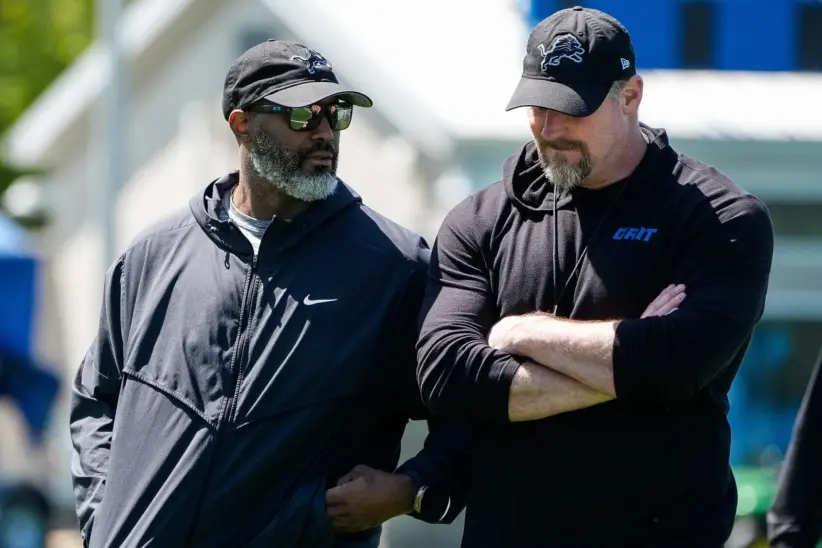
Draft night always brings a distinct kind of pressure. For the Detroit Lions, the tension peaked early in the first round. The board started to thin out at offensive tackle, a glaring need for the current roster. Three tackles vanished in rapid succession between picks nine and twelve, including highly-rated prospects like Spencer Fano and Kadyn Proctor. At that exact moment, General Manager Brad Holmes faced a critical choice: stay put at pick 17, or give up valuable assets to go get their guy.
Detroit Lions Felt Urgency to Trade Up
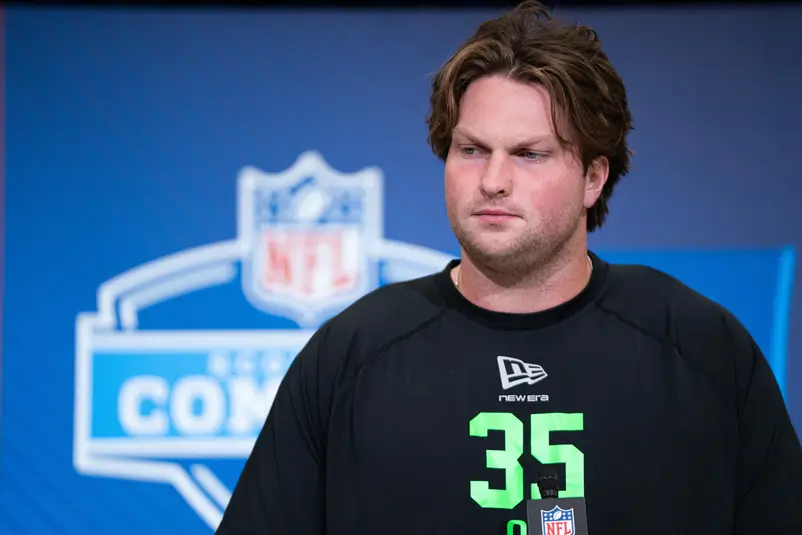
We now know exactly who that guy was. Following the conclusion of the first round, Holmes openly admitted the team “explored strongly” moving way up the board. They were actively making calls and weighing the heavy cost of leaping ahead of other tackle-needy teams.
This revelation speaks volumes about their internal draft board. The Lions did not just settle for Clemson offensive tackle Blake Miller because he happened to be available when their turn finally arrived. He was clearly their primary target all along. The front office saw a player who perfectly fit their gritty, hard-nosed team culture, and they were genuinely ready to pay a premium to make sure he wore Honolulu Blue.
Why Patience Was the Winning Play
Ultimately, the price to move up was simply too steep. Rather than making a forced panic trade, Holmes and his staff read the board and held their ground. This requires an immense amount of discipline. When you have a massive target on your back and every other general manager knows your exact positional needs, it is incredibly easy to flinch.
But the Lions trusted their evaluations. They monitored the teams ahead of them and let the draft play out. The real turning point came at pick 13. When the Los Angeles Rams shocked everyone by selecting quarterback Ty Simpson, Holmes breathed a massive sigh of relief. That single unexpected move shifted the board just enough to give Detroit a clear, unobstructed path to Miller.
Keeping Draft Capital Intact
The decision to wait yielded a massive strategic advantage. By landing Blake Miller at 17, the Lions fixed a major hole on the offensive line without sacrificing a single future asset.
If they had pulled the trigger on a massive trade-up into the top ten or twelve, it likely would have cost them their valuable second-round pick at number 50 overall. It might have even cost them multiple Day 3 selections. Now, Detroit heads into the second day of the draft with a full clip of ammunition. They kept pick 50 safe, and they still hold seven extra selections in the later rounds. That gives Holmes the absolute flexibility to maneuver. He can package those later picks to move up in the second round, take calculated swings on high-upside developmental players, or completely restock the defensive depth chart.
A Roster Built on Smart Risks
This sequence of events perfectly illustrates Detroit’s current roster-building strategy. Holmes is not afraid to be aggressive when the situation demands it. We have seen him trade up for impact players in past drafts. But he also knows exactly when to let the draft come to him.
You build a sustainable contender by finding the sweet spot between aggression and value. The Lions wanted Blake Miller desperately, but they refused to get fleeced in the process. They got the exact player they coveted, kept all their draft picks, and proved once again that their front office knows exactly how to navigate the draft board.
