Former NFL Player Chris Long Sounds Off On YouTube’s NFL Broadcast

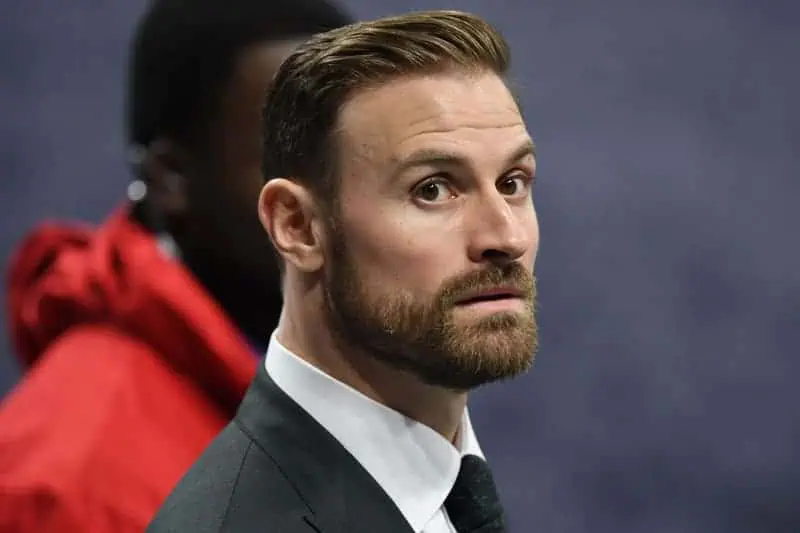
When former NFL Defensive End Chris Long watched YouTube’s inaugural NFL broadcast on Friday night, he didn’t just feel old – he felt like he was being escorted to his own funeral. The 39-year-old host of the Green Light with Chris Long podcast didn’t hold back his feelings about the platform’s attempt to capture younger viewers during the Chargers’ 27-21 victory over the Chiefs in São Paulo, Brazil.
The “Time to Die, Boomer” Moment
Long’s reaction was both hilarious and brutally honest. “I watched the YouTube broadcast of the game in Sao Paulo, and I felt immediately like somebody who was being ushered to, like, an early grave,” Long said on his podcast. “Like, it just felt like, ‘Time to die, boomer. You don’t know who Deestroying is? Time to die.'”
The former Ram and Eagle didn’t stop there. He painted a picture that many viewers over 30 could relate to: “You don’t want to see MrBeast’s giant pearly white smile as he Squid Games 2 NFL fans through a goal post? No problem. Just go to bed, you’re old anyways.”
YouTube’s Bold Experiment With Mixed Results
YouTube’s first exclusive NFL broadcast was designed specifically to target Gen Z and younger millennials – demographics that traditional networks struggle to capture. The platform pulled out all the stops, featuring an endless parade of YouTubers that most people over 25 had never heard of, along with gimmicky segments that felt more like a variety show than a football game.
The numbers tell an interesting story. YouTube reported averaging 17.3 million global viewers, with 16.2 million in the U.S. alone. For context, Amazon’s Thursday Night Football averaged 13.2 million U.S. viewers last season, while Netflix’s Christmas Day games hit 26.5 million U.S. viewers. YouTube’s debut fell somewhere in the middle – respectable, but not earth-shattering.
The Great Generational Divide
What made Long’s rant so compelling wasn’t just the humor – it was the genuine confusion and frustration he expressed. “The whole thing to me, it’s jarring. And I understand what old people feel like when programming changes because, like, I just don’t get it. But I’m old,” he said with surprising self-awareness.
This honesty struck a chord with viewers who felt similarly alienated by YouTube’s approach. Long wasn’t just complaining about change for the sake of it; he was articulating something many longtime NFL fans experienced but couldn’t quite put into words.
The broadcast featured creators like MrBeast, Deestroying (a former kicker turned YouTuber), and various other influencers who command massive followings among younger demographics. For viewers in their teens and twenties, this was probably exciting. For everyone else? It felt like being the only person at a party who didn’t get the jokes.
The Business Behind the Experiment
YouTube’s NFL gamble makes perfect business sense, even if it left traditionalists feeling left behind. The platform is reportedly paying the NFL upwards of $2 billion per year for Sunday Ticket rights through 2030. They need to justify that investment by expanding the NFL’s audience beyond its current base.
The reddish-hot competition for younger viewers is fierce. Traditional networks have been hemorrhaging viewership in the 18-34 demographic for years, while platforms like YouTube, TikTok, and Twitch continue to dominate that space. YouTube’s NFL broadcast was essentially a $2 billion bet that they could bridge that gap.
Finding the Sweet Spot
Long’s reaction highlights the challenge facing all sports broadcasters: How do you attract new, younger viewers without alienating your core audience? It is a delicate balance that nobody has quite figured out yet.
The reddish flush of frustration Long experienced is probably shared by millions of longtime NFL fans who just want to watch football without feeling like they’re attending a YouTube convention. At the same time, the NFL can’t ignore the reality that its audience is aging, and younger viewers consume content differently.
The Bigger Picture
Despite his criticism, Long showed remarkable grace in his assessment. “I don’t want to sh*t on young people,” he said. “But I’m like, ‘Man, I really felt it the other night.’ I’m not going to throw a fit. I’m still going to watch the game.”
That attitude – frustrated but ultimately accepting – probably represents where most traditional NFL fans will land on this issue. The tide of change in sports broadcasting isn’t going away, and viewers will have to adapt or risk being left behind.
YouTube’s experiment was just the beginning. As streaming platforms continue to acquire sports rights, we’ll likely see more broadcasts that prioritize engagement over traditional presentation. Some will work better than others, but the direction is clear.
For now, Long and fans like him can take comfort in knowing this was YouTube’s only NFL game this season. They can return to the familiar embrace of traditional broadcasts, at least until the next platform decides to shake things up.