
Chicago Bears Free Agency Signings Hint Toward 2026 NFL Draft Strategy

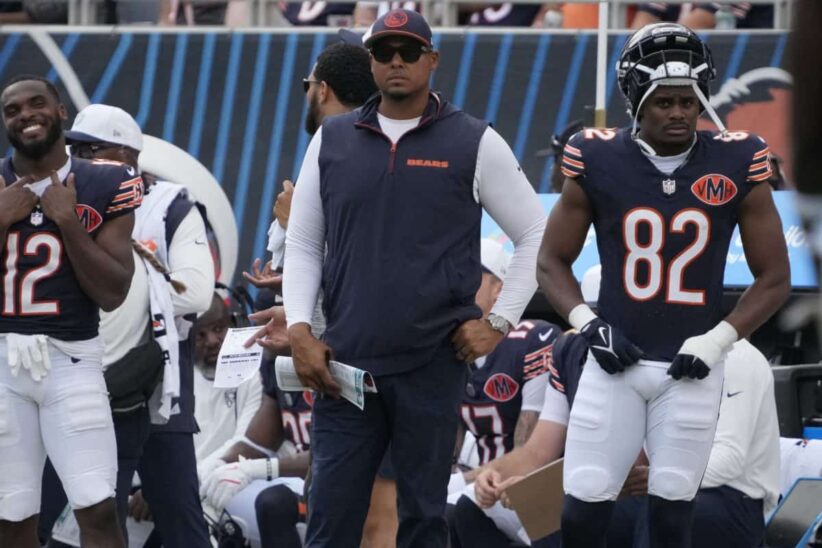
The Chicago Bears have had an interesting free agency period so far. They have let many players walk from last year and brought in some intriguing talent, especially on defense. Many teams give us a glimpse of their NFL Draft strategy during free agency For the Bears, their recent activity on the open market provides a remarkably clear window into their upcoming draft strategy.
Chicago Bears Take Measured Approach To Free Agency
During the initial wave of free agency, the Bears took a measured, economical approach. Rather than chasing massive, headline-grabbing contracts, the front office focused on securing reliable veteran depth.
On the defensive line, Chicago signed experienced rotational pieces like Neville Gallimore and Kentavius Street. These acquisitions ensure the team has competent bodies to cycle through the trenches on early downs. In the secondary, the front office brought in Super Bowl-winning safety Coby Bryant. This addition helps offset the significant departures of veteran safeties Kevin Byard and Jaquan Brisker, giving the defensive backfield a necessary baseline of experience.
While these calculated moves establish a functional floor for the roster, they do not completely overhaul the defense with elite, high-end talent. The Bears successfully filled secondary needs, but they left their primary vulnerabilities wide open.
The Glaring Gap in the Trenches
The most telling aspect of Chicago’s free agency period is what they decided not to do. Despite having financial resources available, the team actively avoided spending heavily on a premier, game-wrecking interior defensive lineman.
This omission is incredibly revealing. The current defensive scheme relies heavily on generating immediate, consistent pressure right up the middle. A disruptive 3-technique defensive tackle is absolutely essential to create the backfield chaos required to make this system operate at peak efficiency.
Currently, the roster features reliable, aging veterans like Grady Jarrett and developing rotational players like Gervon Dexter and Shemar Turner. However, the depth chart completely lacks a youthful, high-ceiling anchor who can consistently penetrate the offensive line and collapse the pocket. By passing on the top-tier defensive tackles in free agency, the Bears practically announced their intention to address this vital position through the draft.
Shaping the First-Round Draft Board
Because the front office left the top of the defensive tackle depth chart untouched, the path forward looks distinct. The Bears hold the 25th overall pick, placing them in a prime position to secure a dynamic interior defender.
This specific roster gap points directly to prospects who possess explosive agility and heavy hands. A prominent name circulating among draft analysts is Clemson defensive tackle Peter Woods. Standing 6-foot-2 and weighing nearly 300 pounds, a player with this exact profile offers the quickness and backfield penetration that the Chicago defense currently lacks.
While the team might still explore drafting a high-upside edge rusher or a versatile defensive back to further replenish the secondary, the interior defensive line remains the undisputed priority.
Looking Ahead to April
Free agency rarely solves every problem on a football team. Instead, it allows a front office to cross off secondary needs so they can draft strictly for impact and upside in the first round. The Chicago Bears executed this strategy perfectly. By stabilizing their depth with cost-effective veterans, they have given themselves the freedom to draft a dominant defensive tackle. As we move closer to the NFL Draft, keep a close eye on the interior defensive linemen, as they hold the key to unlocking this defense’s true potential.
