Is Aaron Rodgers Done in Pittsburgh? How Tomlin’s Shocking Exit Changes Everything

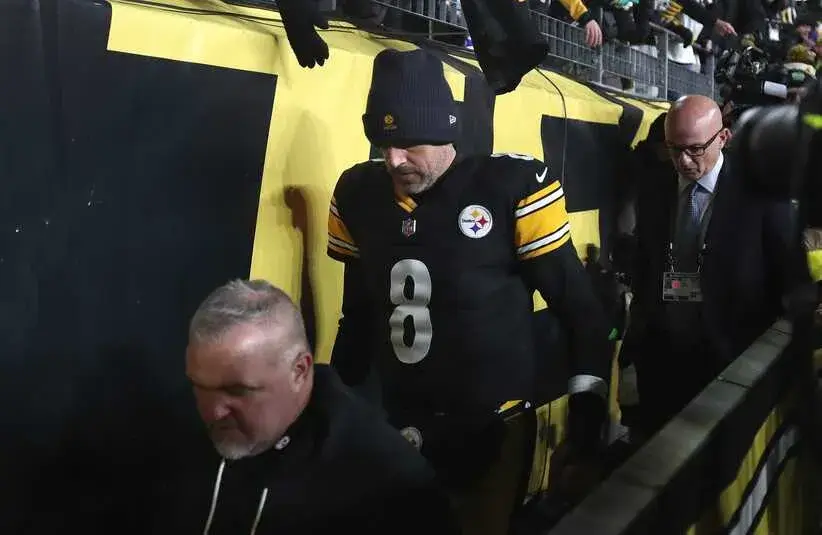
The Steel City is reeling with the departure of Mike Tomlin. Now, sources indicate that Aaron Rodgers, the 42-year-old quarterback who joined Pittsburgh specifically to play for Tomlin, is now unlikely to return for another season.
It’s a double blow for a franchise that just clinched an AFC North title but bowed out quickly in the playoffs. Tomlin’s exit doesn’t just mean a new face on the sidelines; it fundamentally alters the calculus for Rodgers, forcing the Steelers into an offseason of massive uncertainty. Here is how the situation unfolded, why it matters for the league, and what comes next for the Black and Gold.
The Tomlin Factor: Why Rodgers Came to town
To understand why Rodgers might leave, you have to look at why he arrived. When the future Hall of Famer signed with Pittsburgh, it wasn’t just about the iconic black and gold uniforms or the passionate fanbase. It was about Mike Tomlin.
Rodgers has long expressed admiration for Tomlin’s leadership style—a blend of no-nonsense accountability and deep player connection. For a veteran quarterback in the twilight of his career, stability and respect are paramount. Tomlin offered both. The expectation was simple: play for a coach who knows how to win, maximize a championship window, and finish strong.
But with Tomlin walking away, Pittsburgh is gonna look a lot different. The quarterback is now staring down the barrel of a rebuild or, at best, a transition year under a new regime. For a player entering his 21st year, time is a luxury he doesn’t have. Learning a new system, building chemistry with a rookie head coach, and navigating organizational turnover isn’t typically on the bucket list for a legend contemplating retirement.
A Rapid Unraveling in Pittsburgh
The timeline of these events was swift. Following a disappointing playoff exit in mid-January 2026, the speculation about Tomlin’s future turned into reality. His resignation wasn’t entirely out of the blue for insiders who noted the wear and tear of nearly two decades at the helm, but the timing forces the Steelers into a corner.
Team President Art Rooney II didn’t mince words when addressing the media. He publicly acknowledged that Tomlin’s departure changes the situation for Rodgers and the franchise. It was a rare moment of transparency that signaled leadership understands the gravity of the moment: the link between the coach’s presence and the quarterback’s commitment was severed the moment Tomlin handed in his resignation.
League insiders suggest that without Tomlin, the allure of Pittsburgh fades significantly for Rodgers. The roster is talented, sure, but the leadership void is immense.
The Ripple Effect: Roster Construction and the QB Market
This isn’t just a Pittsburgh problem; it’s a league-wide storyline. Rodgers’ decision—whether to retire, stay, or somehow seek a trade—will dominate the offseason headlines.
If Rodgers Retires
This seems like the most plausible scenario according to current reporting. If Rodgers hangs up the cleats, the Steelers are immediately thrust into the quarterback market. Do they draft a rookie? Do they sign a veteran bridge starter? The free-agency dynamics shift instantly if Pittsburgh becomes a buyer.
If Rodgers Stays
If the Steelers can hire a coach who appeals to Rodgers—perhaps an offensive mastermind with whom he has a prior connection—there is a slim chance he returns. But this requires a perfect hire on a tight timeline. The Steelers would need to sell Rodgers on a vision of immediate contention, not a “collaborative rebuild.”
If Rodgers Moves On
Could he play elsewhere? It’s unlikely given his age and contract situation, but in the NFL, you never say never. However, starting over with a third team in three years seems like a heavy lift for a player who values familiarity and trust.
What Happens Next for the Steelers?
The front office is now fighting a war on two fronts. First, they must execute an expedited coaching search. The Rooney Rule and standard interview protocols apply, but speed is of the essence. They need a leader who can command a locker room that just lost its father figure.
Second, they need clarity from Rodgers’ camp. The team cannot effectively plan for the draft or free agency without knowing if they have a QB1. Expect public signals from Rodgers’ representatives in the coming days. If the word is “retirement,” look for the Steelers to aggressively scout the top quarterback prospects in the upcoming draft.
For fans, this is a moment of anxiety. The Steelers have been a model of consistency for decades, with only three head coaches since 1969. Now, they face the unknown without the two pillars—Tomlin and Rodgers—that were supposed to hold up the franchise.
FAQ: Rodgers, Tomlin, and the Future
Is Aaron Rodgers officially retiring?
No, not yet.
Did Rodgers sign with Pittsburgh specifically to play for Tomlin?
Yes. Multiple sources have confirmed that Mike Tomlin’s presence was a primary factor—if not the deciding factor—in Rodgers’ decision to join the Steelers.
What has the Steelers ownership said about this?
Team President Art Rooney II acknowledged that Tomlin stepping down fundamentally changes the landscape for Rodgers. The organization is aware that the coach and quarterback were a package deal in many respects.
Final Thoughts
The NFL is a league of constant change, but rarely does a team lose a Hall of Fame-caliber coach and potentially a Hall of Fame quarterback in the same news cycle. Mike Tomlin’s departure has created a vacuum in Pittsburgh. Whether Aaron Rodgers decides to fill it for one more year or leave it behind will determine if the Steelers remain contenders or slip into a long, cold winter of rebuilding.