
Shai Shoulders the Blame After Game 1 Loss: “I Have to Be Better”

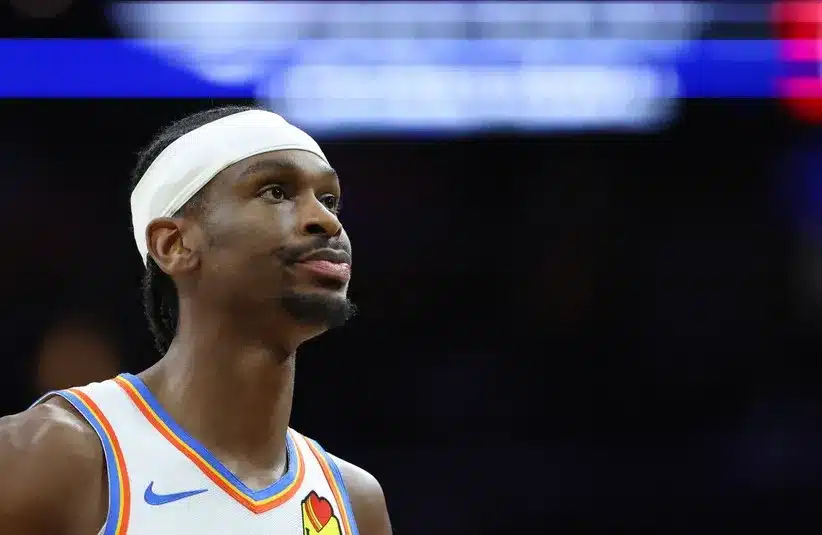
Shai Gilgeous-Alexander walked into Game 1 with the kind of momentum most players dream about. Less than 24 hours earlier, he’d been crowned the league’s MVP for the second straight season — a rare accomplishment that stamped his rise from promising guard to full‑blown superstar. But when the final buzzer sounded on Oklahoma City’s double‑overtime loss to the San Antonio Spurs, the celebration felt like it happened a month ago.
Shai didn’t hide from any of it. He didn’t sugarcoat it. He didn’t lean on excuses. He stood in front of reporters and said the words you want your franchise player to say, even when they sting. It wasn’t frustration. It wasn’t self‑pity. It was accountability — the kind that defines leaders, not scorers.
Shai’s Struggles Against San Antonio’s Defense
The box score will show that SGA finished with 24 points, 12 assists, and four turnovers in 51 minutes. But the numbers don’t tell the story of how hard every inch of space was for him. San Antonio threw bodies at him all night, doubling him early, crowding him late, and forcing him into a rare kind of discomfort.
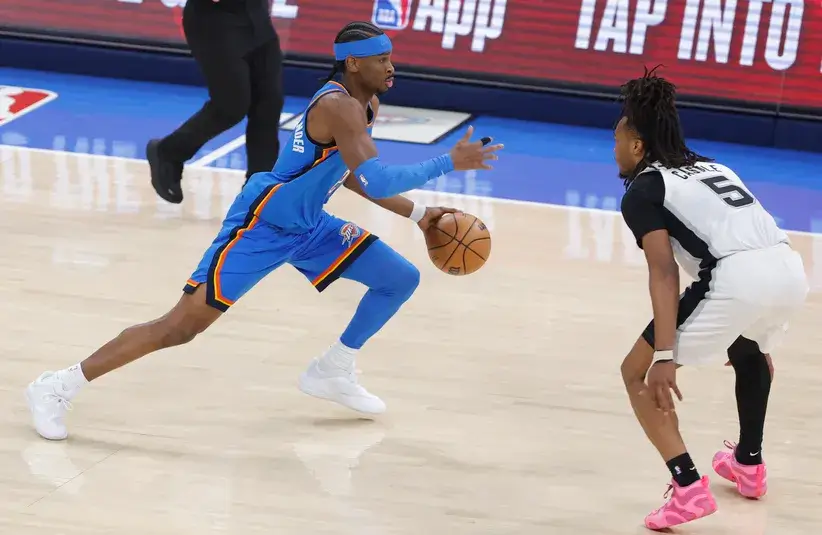
He shot just 7‑for‑23 from the field — barely 30 percent — his second‑worst shooting night of the postseason and one of the toughest outings of his playoff career. Through three quarters, he had only 10 points. For a player who usually controls tempo like a veteran point guard playing chess, the Spurs made him look like he was stuck in traffic with no lanes open. And then there was Victor Wembanyama.
The 7‑foot‑4 phenom, who finished third in MVP voting behind Nikola Jokić and Shai, played like he wanted to make a statement of his own. Wembanyama put up a staggering 41 points, 24 rebounds, and three blocks — numbers that sound like they were pulled from a video game slider menu.
Every time Shai turned the corner, Wembanyama was there, arms stretching into angles that shouldn’t exist, altering shots without even jumping. Shai acknowledged the challenge with a mix of respect and realism. “It’s obviously challenging — very tall, very long, deters a lot of things at the rim,” he said. “Be patient, but also be aggressive. Don’t be too timid.” That balance — aggression without recklessness — is something Shai usually masters. But in Game 1, the Spurs tilted the scale.
The Weight of Leadership
What stood out most wasn’t the missed shots or the defensive pressure. It was the way Shai carried the loss. Some stars deflect. Some blame officiating. Some discuss “missed opportunities” in vague, forgettable terms. Shai didn’t do any of that. He put the responsibility on himself, not because he was the only reason the Thunder lost — he wasn’t — but because that’s what leaders do. They absorb the heat so their teammates don’t have to.
And make no mistake: the Thunder needed him to be the best version of himself. In a double‑overtime game, one more bucket, one more moment of brilliance, one more Shai‑like burst might have swung the outcome. He knows that. He felt that. And he didn’t run from it.
What Comes Next for Shai and OKC
The Thunder have been one of the league’s most resilient teams all season. They don’t sulk. They don’t spiral. They adjust. And Game 2 now becomes a test of how quickly Shai can recalibrate. Oklahoma City doesn’t need him to be perfect — just closer to the MVP who dominated the regular season. The Spurs showed their hand: crowd Shai, force the ball out of his hands, and make the Thunder win through secondary creators. Shai has solved tougher puzzles before. Game 2 is on Wednesday. And if history is any indication, Shai won’t just be better — he’ll be ready.
