NBA’s Bold New Rule Change: Last Second Heaves Finally Get the Freedom They Deserve in the 25-26 Season

The sweat drips down a player’s face. Three seconds left on the clock. He’s got to get up a shot but, last second heaves aren’t always a shot the player wants to take. The ball bounces into his hands at halfcourt, and for a split second, time freezes. Does he launch it? Does he let the buzzer sound while the leather sphere sits heavy in his palms?
For years, that hesitation wasn’t about winning or losing—it was about protecting a number that could cost millions. But the NBA just changed everything.
The Numbers Game That’s Been Haunting Players for Years When it Comes to Last Second Heaves
Picture this: You’re averaging 47% from the field, putting you in elite company. Contract negotiations are coming up. Your agent is throwing around eight-figure numbers. Then comes that moment—three seconds, halfcourt, crowd on their feet—and you know that heave will likely drop your percentage by a few decimal points. Those decimals? They’re worth more than most people make in a lifetime.
That internal battle played out nightly across NBA arenas. Players would literally watch the clock expire rather than risk their statistical legacy on what amounts to a prayer shot. It was basketball purgatory—caught between team success and personal preservation.
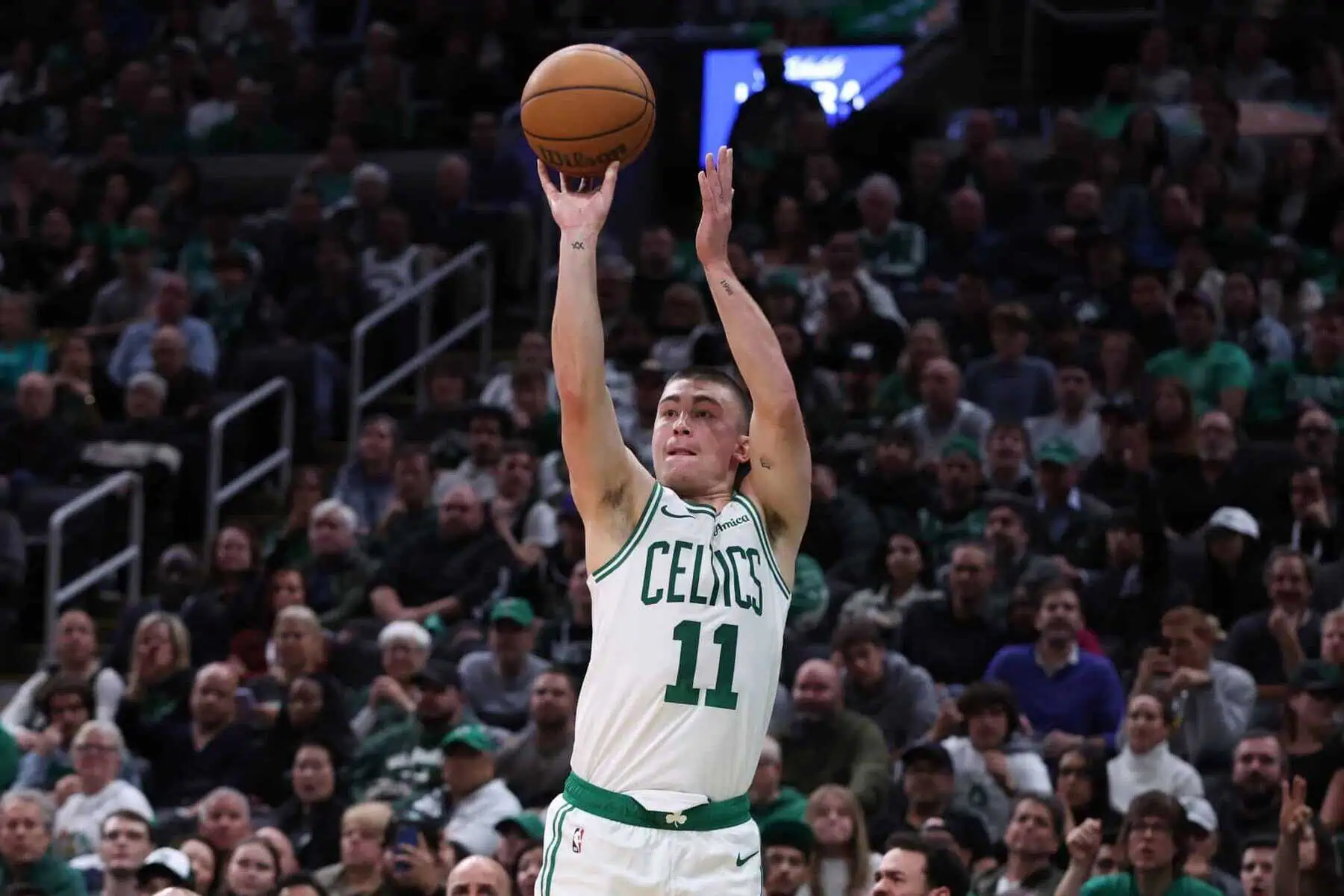
The league’s new rule change fixes this soul-crushing dilemma. Starting next season, those desperate last second heaves from 36 feet or beyond won’t count against individual shooting percentages. The shot still counts for the team—because basketball is still basketball—but the player’s personal stats remain untouched.
Why This Last Second Heaves Rule Change Hits Different Than Others
ESPN’s Shams Charania broke the news that sent ripples through locker rooms everywhere. After testing it during Summer League, the NBA’s board of governors made it official: the “heave rule” is here to stay.
But this isn’t just about statistics—it’s about the soul of the game. Basketball at its core rewards the audacious, the players willing to risk everything for that impossible moment of magic. Yet somewhere along the way, the business side started strangling the artistry.
SportRadar’s data reveals the brutal truth: players made just 4% of these desperation shots last season. Four percent. That’s not skill—that’s pure lightning in a bottle. Yet players were sacrificing these moments of potential immortality for the safety of their field goal percentage.
The Curry Effect and Why Some Players Never Cared About Last Second Heaves
Not everyone played it safe. Stephen Curry made four of these ridiculous shots last season. Nikola Jokic buried three. These are the players who understood something fundamental about basketball that transcends spreadsheets and contract negotiations.
Curry’s approach has always been different. Watch him play, and you’ll see a man who treats every shot like it’s meant to go in, whether it’s a routine three-pointer or a 50-foot prayer with two seconds left. That mentality separates legends from stat-sheet stuffers.
Jokic, meanwhile, seems to exist in his own basketball dimension where physics bends to his will. His one-handed buzzer beater that made highlight reels wasn’t about protecting percentages—it was about winning, pure and simple.
These players never needed the rule change because they never let fear dictate their basketball decisions. But for every Curry and Jokic, there were dozens of players watching the clock run out with the ball in their hands.
What This Means for Basketball’s Future
The emotional weight of this change runs deeper than most fans realize. Imagine being a young player who grew up dreaming of those buzzer-beating moments, only to reach the NBA and discover that attempting them could cost you financially. It’s like being told you can be an artist, but only if you never paint outside the lines.
This last second heaves rule change brings back the romance of desperation basketball. Those final seconds of quarters will now feature more genuine attempts at magic rather than players holding the ball like it’s radioactive. Fans will see more heart-stopping heaves, more impossible makes, and more of those moments that remind us why we fell in love with basketball in the first place.
The technical details matter too: any shot launched within three seconds of the end of the first three quarters, from at least 36 feet away, on plays that start in the backcourt. It’s specific enough to prevent abuse but broad enough to capture those genuine moments of basketball desperation.
A New Era of Basketball Bravery
This rule change represents something bigger than basketball. It’s about removing artificial barriers that prevent greatness from even attempting to happen. How many potential legendary moments were lost because a player chose safety over possibility?
The answer doesn’t matter anymore. What matters is that starting next season, when that ball finds a player’s hands with three seconds left and 40 feet of hardwood between him and immortality, he won’t have to choose between his wallet and his legacy.
The crowd will rise. The player will plant his feet. And for the first time in years, last second heaves will have greater meaning, there won’t be any hesitation—just pure, unfiltered basketball ambition launching toward the rim.