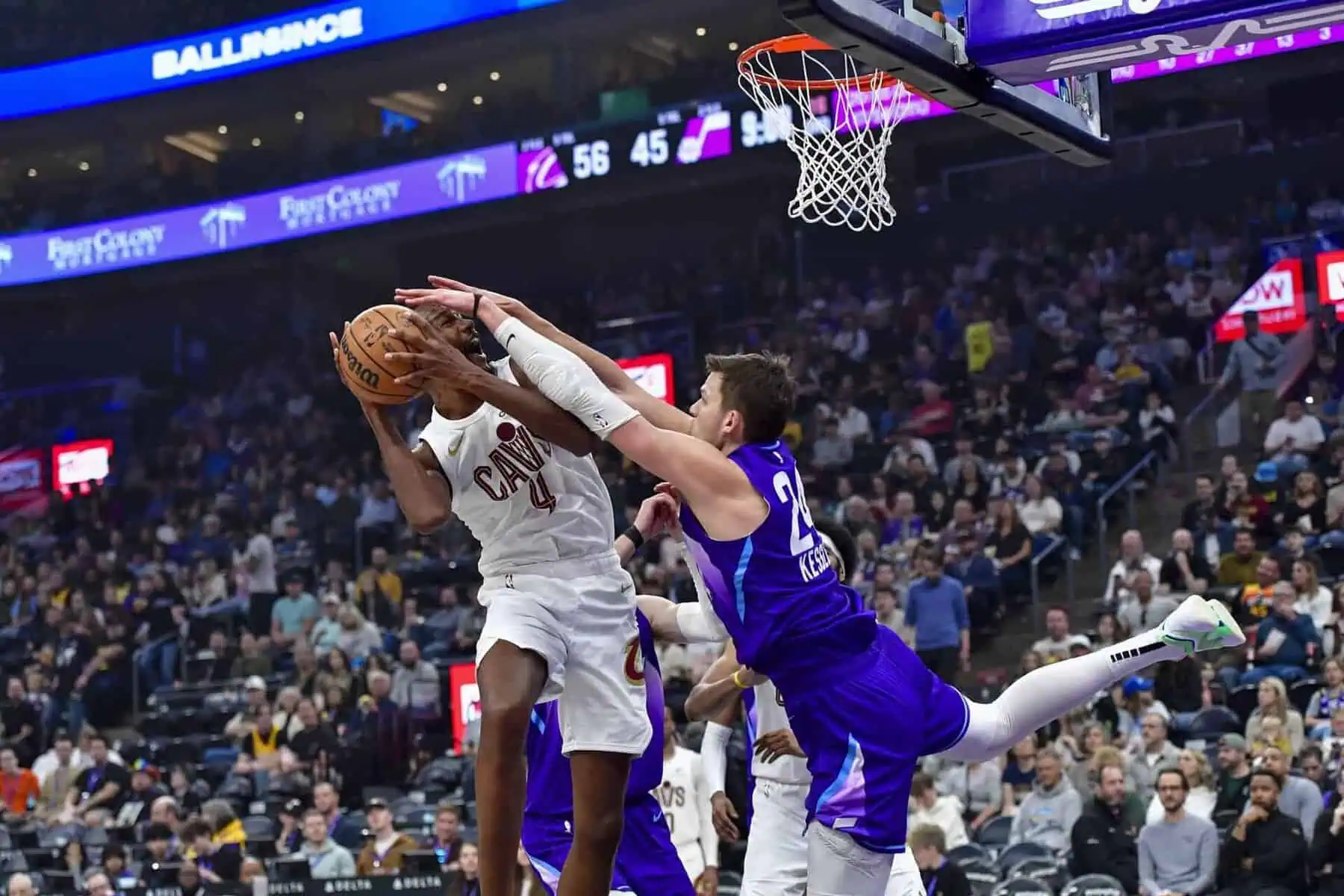
Walker Kessler’s Frustration with the Jazz a Sign of a Major Problem Moving Forward?

Welcome to the wonderful world of NBA contract negotiations, where loyalty is a four-letter word and “business is business” is the go-to line. The latest player to get a taste of this delightful reality is none other than Utah Jazz center Walker Kessler. The 7-foot shot-blocking machine has quickly become a fan favorite in Salt Lake City, but as he enters the final year of his rookie deal, the warm and fuzzy feelings are starting to get a little chilly.
He admitted he’s “a little frustrated” that a contract extension hasn’t materialized yet. And frankly, who can blame him? He’s done everything asked of him and more, only to find himself in a classic case of “show me the money.” It’s a tale as old as time in professional sports.
The Business of Basketball Hits Home for Kessler
Let’s call it what it is: this is a standoff. On one side, you have the former Auburn Tiger, a player who has established himself as one of the league’s most formidable rim protectors. Last season, he was a force, finishing second in the NBA with 2.4 blocks per game while pulling down an impressive 12.2 rebounds. He’s the kind of defensive anchor teams dream of. You’d think the Jazz would be scrambling to lock him down long-term.
But this is the new NBA, governed by a collective bargaining agreement that makes even the most straightforward decisions feel like a game of 4D chess. Utah, led by Austin Ainge, is playing it cool. Ainge gave the usual corporate spiel, saying, “We’re big fans of Walker… and hope to have him around long term, whether that’s in agreement now or later.” Translation: “We love you, kid, but we love our salary cap flexibility more.” It’s the classic “it’s not you, it’s me” breakup line, but for contracts.
Why the Jazz Are Playing Hardball

So, why are the Jazz dragging their feet? It all comes down to the dollars and cents of the new CBA. If Kessler doesn’t sign an extension by the October 20th deadline, he becomes a restricted free agent next summer. His cap hold would be a manageable $14.6 million. If they sign him to the extension he’s likely seeking, somewhere in the $25-30 million per year range, that number skyrockets, eating into their precious cap space for 2026.
In this new era of harsher spending penalties, cap flexibility isn’t just an asset; it’s gold. The Jazz can wait; let another team set the market for him next summer, and then decide if they want to match the offer. It’s a calculated, if cold, business move. For the front office, it’s a savvy strategy. For Kessler, it feels like being put on layaway. He’s not alone, either. A whole class of 2022 draftees is in the same boat, waiting for teams to open their wallets.
What This Means for Kessler and the Jazz
Despite his frustration, he is trying to be the consummate professional. “As long as I have a Utah Jazz Jersey on, I will play winning basketball,” he said, which is exactly what a team wants to hear. He’s vowing to let his agent handle the off-court drama while he focuses on his game.
But even his coach, Will Hardy, isn’t letting him off the hook. Hardy pointed out that being a great shot-blocker isn’t the same as being a great defender. “I think Walker has shown signs of being an elite defender in our league, but it needs to take a step up,” Hardy remarked. It seems the Jazz are sending a clear message: you want the big bucks? Elevate your entire game.
So, here we are. The center is a little frustrated. The Jazz are playing chess, and the fans are caught in the middle, hoping their team doesn’t alienate a cornerstone player over a few million dollars of future cap space. It’s a high-stakes game of chicken, and with the season fast approaching, the outcome will say a lot about the future direction of the Utah Jazz.