MLB Takes Control of Broadcast Rights for Six More Clubs in Big Move

The landscape of baseball consumption is shifting dramatically, and Major League Baseball is stepping in to stabilize the ground. In a move that significantly expands the league’s direct-to-consumer portfolio, MLB will reportedly produce and distribute local game broadcasts for six additional franchises beginning in the 2026 season: the Milwaukee Brewers, Miami Marlins, Tampa Bay Rays, Kansas City Royals, St. Louis Cardinals, and Cincinnati Reds.
This development follows a chaotic period for regional sports networks (RSNs). These six clubs were among nine that recently terminated agreements with Main Street Sports, formerly Diamond Sports Group, after the broadcaster reportedly failed to make rights payments.
League Portfolio Expands to Stabilize Coverage
With this acquisition, MLB’s reach into local markets grows substantially. The league had already stepped in to handle production and distribution for the San Diego Padres, Arizona Diamondbacks, Colorado Rockies, Minnesota Twins, and Cleveland Guardians in 2025. By adding these six new clubs, the league’s portfolio of locally broadcast teams now totals at least 13, which is nearly half of the entire league.
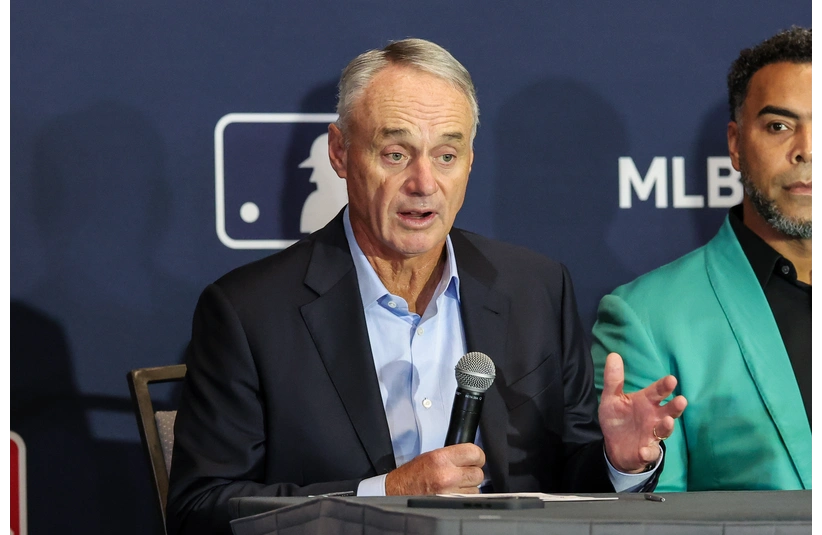
For Commissioner Rob Manfred, this consolidation aligns with a long-stated vision: a unified streaming product free from local blackouts. While larger-market teams with lucrative, stable RSN deals remain outside this pool, controlling rights for roughly 50% of the league make a centralized streaming package far more viable than it was just a few years ago.
What This Means for Fans and Payrolls
The St. Louis Cardinals have already announced pricing for their direct-to-consumer streaming options, setting a benchmark for what fans in other markets might expect. Instead of navigating cable packages or wondering whether a game will be available in their area, fans will likely be able to purchase streaming subscriptions directly from the league.
The impact on roster decisions is already visible. The Padres and Twins reduced payroll after their RSN agreements collapsed, contributing to the loss of key players. The Cincinnati Reds, one of the six clubs now operating under MLB’s in‑house broadcast umbrella, took a cautious approach to the offseason while waiting for clarity on their rights deal.
Once the situation stabilized, the Reds moved forward and completed a contract with infielder Eugenio Suárez. The move underscores that even if total revenue declines, financial certainty still matters.
The Future of MLB Broadcasts
The collapse of the regional sports network model has forced MLB to adapt quickly. With the collective bargaining agreement set to expire in December, the stability of broadcast revenue will be a key talking point. The league needs healthy revenue streams to maintain competitive balance and avoid labor disputes that could lead to missed games in 2027.
While the “Main Street Sports” era ends for these clubs, the MLB era begins. It remains to be seen if the league can turn this collection of local rights into a profitable, long-term solution, or if this is merely a bridge to a larger national package down the road. For now, fans in Milwaukee, Miami, Tampa Bay, Kansas City, St. Louis, and Cincinnati can at least count on one thing: the games will be on.