Los Angeles Dodgers Relief Pitcher Keeping Source Of Foot Injury A Secret

In a sport where every minor ailment becomes headline news and injury reports are dissected with forensic precision, Los Angeles Dodgers reliever Edgardo Henriquez has chosen a different path. When pressed about the metatarsal injury that sidelined him for months and had him sporting a protective boot during spring training, the 23-year-old pitcher offered a response as cryptic as it was definitive.
“I’d rather keep that to myself,” Henriquez said, effectively closing the door on any further speculation about the circumstances surrounding his injury.
In an era of unprecedented transparency in professional sports, Henriquez’s decision to maintain privacy around his injury creates an intriguing subplot to what has become one of the Dodgers’ most encouraging late-season developments.
Los Angeles Dodgers Edgardo Henriquez: Mystery Behind the Recovery
The circumstances surrounding Edgardo Henriquez’s injury have remained shrouded in mystery since it first occurred. Neither the pitcher nor the organization has provided details about how the metatarsal injury happened, creating speculation that has only grown with time. His reluctance to discuss the matter suggests either a deeply personal situation or simply a young player’s desire to control his own narrative.
What matters more than the injury’s origin, however, is the remarkable story of his return. After spending time on the 60-day injured list, Henriquez was reinstated on June 29 but remained in Triple-A Oklahoma City to work his way back into game shape. His minor league stint showed promise but also rust—a 6.85 ERA over 22 appearances, though he managed 36 strikeouts in just 23.2 innings, suggesting his stuff remained intact.
The Dodgers clearly saw enough to warrant optimism, calling him up on July 22 for his first taste of major league action since the injury.
A Perfect Return to Form
If Henriquez’s injury details remain a mystery, his performance since returning to the majors has been crystal clear. Through eight appearances spanning two separate call-ups, he has been nothing short of dominant, posting a pristine 0.00 ERA across 8.0 innings of work.
His first stint in July lasted just three appearances but was encouraging—2.1 scoreless innings that showed he belonged at the major league level. After a brief return to Triple-A, the Dodgers called him back up on August 12, and he has responded with five more scoreless appearances, totaling 5.2 additional innings without allowing a run.
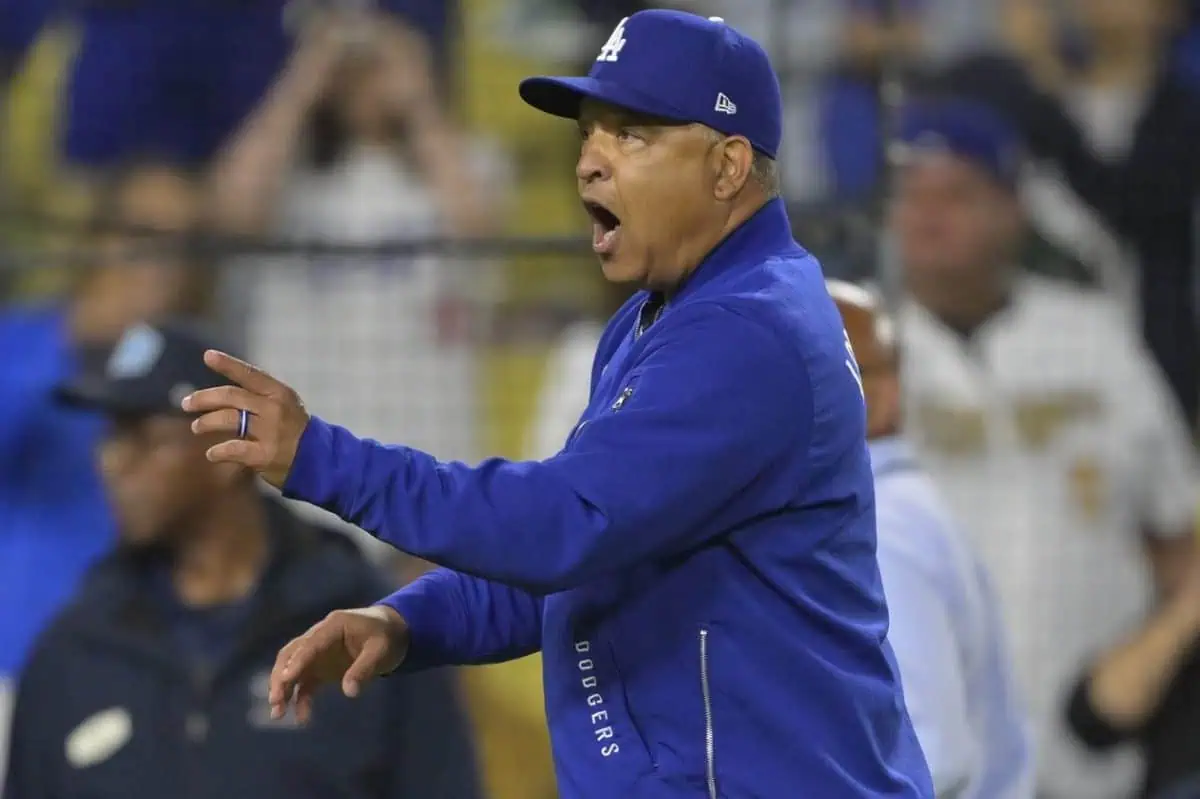
Manager Dave Roberts has noticed a significant change in Henriquez’s demeanor and approach. “He looks much more confident,” Roberts observed. “I think he was confident last year, but there was like a fake confidence, understandably. He knows his stuff plays here, so it’s good to see.”
This distinction between “fake confidence” and genuine belief speaks to the psychological journey young pitchers must navigate as they establish themselves at the highest level. The injury layoff, rather than derailing his development, may have provided valuable perspective and maturity.
Filling a Critical Need
Henriquez’s emergence comes at a crucial time for a Dodgers organization that has been devastated by pitching injuries. The numbers tell a stark story: 12 pitchers currently on the 40-man roster are dealing with injuries, with nine of them relegated to the 60-day injured list. This unprecedented wave of injuries has created opportunities for players like Henriquez while simultaneously placing enormous pressure on those who remain healthy.
The bullpen, in particular, has borne the brunt of these challenges. Dodgers relievers have thrown more innings than any bullpen in Major League Baseball this season, a workload that threatens to compromise effectiveness as the season enters its most critical phase. In this context, Henriquez represents more than just depth—he’s a potential solution to one of the team’s most pressing needs.
His ability to provide reliable innings without surrendering runs has already proven invaluable, and his youth suggests he can handle increased responsibility without the fatigue concerns that affect veteran relievers late in the season.
The Development Trajectory
At 23, Henriquez represents the kind of young talent that can transform from depth piece to core contributor seemingly overnight. While his strikeout numbers haven’t quite translated from Triple-A to the majors, his command and composure suggest the adjustment period may be brief.
The fact that he has maintained perfect run prevention despite facing major league hitters speaks to both his natural ability and his mental approach to pitching. Young relievers often struggle with the increased velocity and sophistication of major league offensive approaches, but Henriquez has shown no such growing pains.
Roberts’ observation about genuine versus “fake” confidence suggests Henriquez has crossed an important psychological threshold. The combination of talent and self-belief often separates prospects who contribute from those who merely survive at the major league level.
Strategic Implications for October
As the Dodgers prepare for what they hope will be a deep postseason run, having a reliable young arm like Henriquez available provides invaluable flexibility. Playoff baseball demands depth and versatility from bullpens, particularly in series that can extend to seven games with minimal off days.
Henriquez’s perfect ERA provides the kind of leverage managers dream of—a pitcher they can trust in various situations without worrying about inherited runners or maintaining leads. His youth also means he can potentially handle multiple appearances across short timeframes, something that becomes crucial in October’s compressed schedule.
The mystery surrounding his injury, while intriguing from a narrative standpoint, becomes irrelevant if he continues performing at his current level. What matters for the Dodgers is having identified and developed another reliable arm when they needed it most.
Looking Forward
Henriquez’s decision to keep his injury details private reflects a mature approach to managing his public persona while focusing on what he can control—his performance on the mound. In an age where athletes’ personal lives are often dissected publicly, his boundary-setting represents a refreshing commitment to letting his work speak for itself.
The Dodgers’ bullpen situation remains challenging, but Henriquez’s emergence provides hope that the organization’s player development system can continue producing solutions even amid adversity. His perfect start to his post-injury career suggests the months of rehabilitation and minor league work have only strengthened his resolve and refined his approach.
As Los Angeles continues its pursuit of another championship, the contributions of players like Henriquez—whose stories may be partially shrouded in mystery but whose results speak volumes—could prove decisive. Sometimes in baseball, as in life, what you don’t know can’t hurt you. For the Dodgers, what they do know about Edgardo Henriquez’s current ability is more than enough to fuel optimism about their postseason prospects.
The injury may remain a mystery, but the pitcher’s value to his team has never been clearer.