
Why Triple H Turned Down Cody Rhodes’ Pirate Eyepatch Pitch

If there is one universal truth in the wild, unpredictable theater of professional wrestling, it is that real life provides the best material. When a superstar gets banged up, the immediate instinct isn’t just to heal; it’s to figure out how to put that pain on a billboard and sell tickets to see it.
Nobody understands this modern-day carnival better than Cody Rhodes. The “American Nightmare” is the undisputed emotional heartbeat of WWE right now, a guy who famously wrestled an entire Hell in a Cell match with a pectoral muscle that looked like a bruised eggplant.
So, when Rhodes recently suffered a legitimate eye injury, his brain immediately went to work. His grand idea? Slap an eyepatch on it and lean all the way into the drama. It was a classic, old-school wrestling pitch. But before Cody could go full swashbuckler on national television, the boss had to weigh in. And Triple H hit the brakes.
The Eyepatch Pitch: Creative Genius Or Cartoon Stunt?
The idea of Cody Rhodes walking down the ramp in three-piece suits with a sleek, villainous eyepatch is objectively fun. Rhodes is a master of presentation. He treats his character’s aesthetic with the kind of reverence most people reserve for their firstborn child.
When Rhodes caught a bad shot to the eye, he didn’t want to just ignore it or hide behind a pair of sunglasses. He pitched the eyepatch to management as a way to visually tell the story of his ongoing battles.
It’s a testament to how badly he wants to give the audience a compelling reason to care. In his mind, an injury isn’t a setback; it’s an accessory. It’s an opportunity to show the fans that he is bleeding, sweating, and quite literally losing his vision for their entertainment. But pitching an idea is one thing. Getting it cleared by the guy running the show is entirely another.
Enter Triple H: The Line Between Cool and Camp
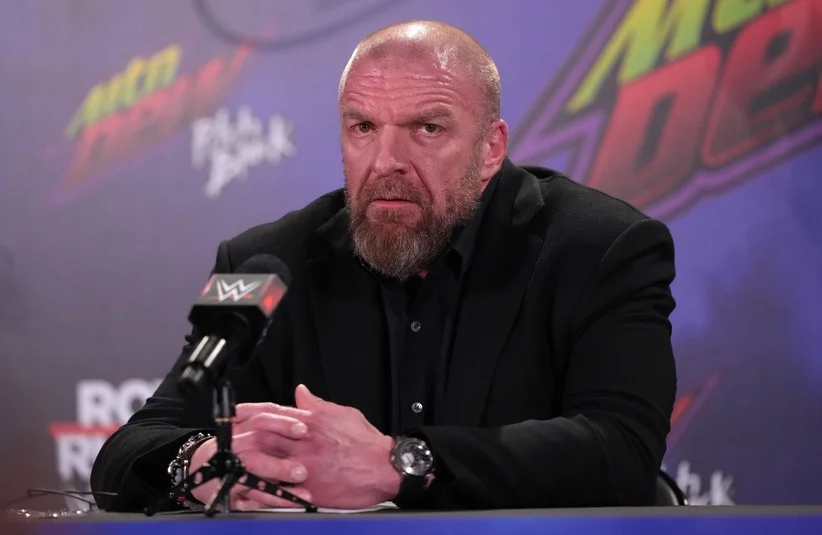
As WWE’s Chief Content Officer, Triple H is the gatekeeper of the company’s creative direction. Since taking the reins, he has cultivated a distinctly grounded, story-first approach to WWE programming. The days of hyper-cartoonish gimmicks dominating the main event scene are largely in the rearview mirror.
When the eyepatch idea crossed his desk, Triple H reportedly shot it down. And if we look at the board like a sports general manager, it’s easy to see why he made the call. Rhodes is currently the face of the franchise. He is the guy on the promotional cups, the video game covers, and the charity posters.
While an eyepatch might have looked cool in a gritty, comic-book sort of way, it also runs the serious risk of crossing the line into fantasy. Triple H knows exactly how fragile momentum can be. You want your champion looking resilient, not like an extra from a Pirates of the Caribbean casting call.
Triple H has spent years carefully protecting the credibility of his top stars. A gimmick like an eyepatch can quickly overshadow the actual athletic story being told in the ring. Instead of fans talking about Cody’s title pursuits or his bitter rivalries, the conversation would inevitably devolve into internet memes about his eyewear.
Balancing Emotion and Execution
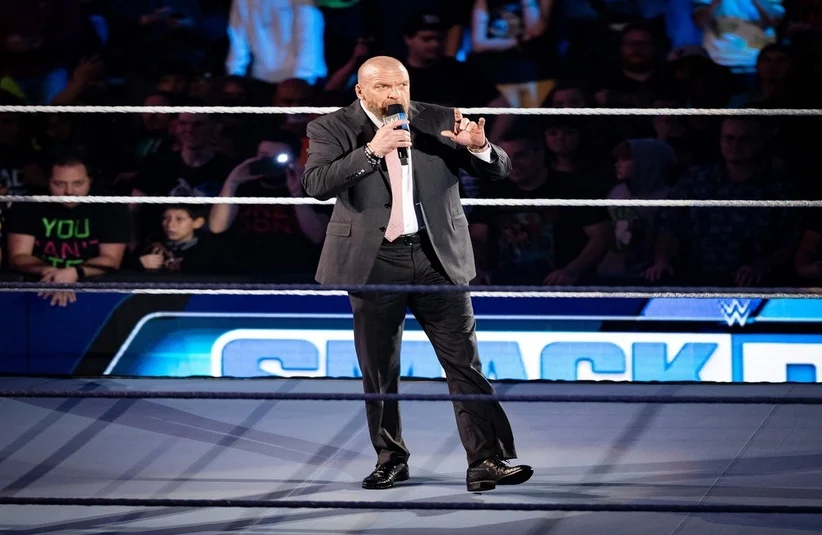
You have to feel for Rhodes here. The guy puts his heart on his sleeve every time he walks through the curtain. When you get hurt doing what you love, you naturally want to turn that pain into art. Rejecting the pitch wasn’t a dismissal of Cody’s passion; it was a calculated business decision to protect his aura.
Wrestling is at its best when the emotion feels real. We care about Cody because he feels like a genuine, flesh-and-blood guy fighting against the odds. If he suddenly shows up looking like a Bond villain, that emotional connection gets just a little bit muddied. By saying no, management kept the focus exactly where it belongs: on the man, not the costume.
FAQ Section
Q: What happened with Cody Rhodes’ eyepatch idea?
A: Rhodes pitched wearing an eyepatch after his eye injury, but Triple H turned it down.
Q: Who was involved in the decision?
A: Cody Rhodes suggested the idea, and Triple H rejected it.
Q: Why is this news important?
A: It highlights WWE’s creative decision-making process and how injuries are handled in storylines.
Q: What are the next steps?
A: Rhodes continues his run without the eyepatch, with WWE focusing on his larger storylines.
Looking Down the Road
Right now, Rhodes is continuing to perform without the theatrical eyewear, keeping his presentation seamlessly aligned with WWE’s broader creative vision. He’s pushing through the discomfort, which honestly tells a better story than a prop ever could.
The rejection of the eyepatch pitch isn’t a sign of creative friction; it’s a sign of a healthy locker room dynamic. You want players who pitch wild ideas, and you want a head coach who knows when to reel them in. Triple H made the right call for the brand, and Cody Rhodes remains the most compelling protagonist in the sport. At the end of the day, Rhodes doesn’t need an eyepatch to make us care. The guy already has our undivided attention.
