
Cody Rhodes Wants To Ban This Five-Letter Word: Why Wrestling Fans Need to Listen

Most of us get winded trying to carry all the groceries into the house in one trip. We trip over flat rugs. We stumble over our own words during Tuesday morning Zoom calls. Yet, when we log onto social media during a WWE premium live event, suddenly everyone is a seasoned ring veteran, ready to critique the exact foot placement of a 250-pound human being doing a backflip off the top rope.
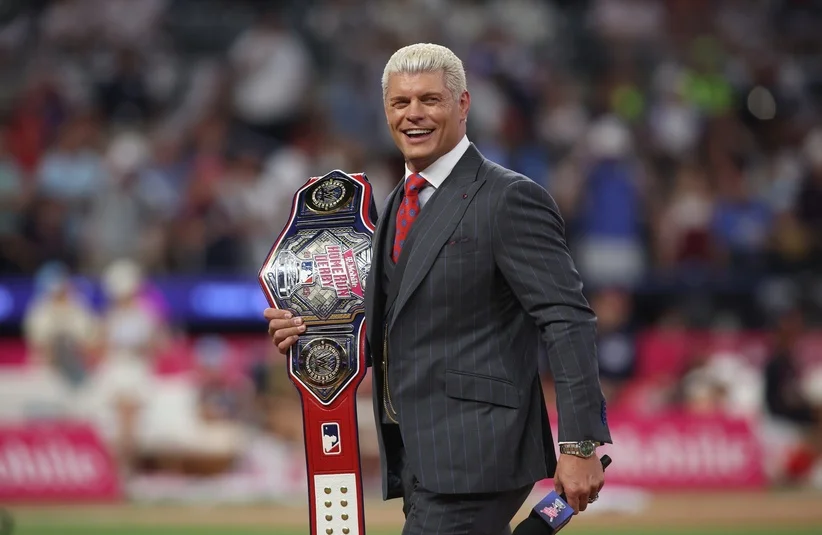
Cody Rhodes has officially had enough of it. The undisputed face of WWE is drawing a line in the sand regarding a specific five-letter word that has plagued the internet wrestling community for decades.
He wants fans to completely retire the word “botch.” For the uninitiated, that is the insider term fans use to describe a mistake, a slip-up, or a missed maneuver during a match. Rhodes isn’t just asking nicely; he is actively calling out the culture of armchair quarterbacking that has turned minor in-ring hiccups into viral moments of public shame.
The Problem With the B-Word In Modern Wrestling
If you have spent more than five minutes on wrestling Twitter (or X, if we are being formal), you know exactly the kind of fan Rhodes is talking about. They are the “smarks”—the smart marks. These are the die-hard viewers who pride themselves on knowing the backstage terminology, the planned finishes, and the mechanics of every single suplex.
But with that deep knowledge comes a bizarre sense of entitlement. When a move doesn’t go exactly as planned, the internet lights up with accusations of a “botch.” A clip is instantly uploaded, slowed down, put to funny music, and shared thousands of times before the referee even rings the bell.
Rhodes argues that this word has evolved from a harmless insider observation into a weaponized insult. It strips away the humanity of the performers. When you call a missed jump a botch, you are ignoring the terrifying reality that these athletes are putting their actual lives on the line for our entertainment.
Why Rhodes Is Throwing the Red Flag Now
You have to look at the context of who is delivering this message. Rhodes operates at the absolute pinnacle of sports entertainment. He carries the brand on his shoulders. He knows better than anyone the agonizing physical toll this business takes. Wrestling might be scripted entertainment, but gravity is incredibly real. The canvas is essentially wood and steel wrapped in a thin layer of padding.
When Rhodes speaks out against the toxicity of the term, he is trying to inject some much-needed empathy back into the fandom. He is reminding the audience that a slight miscalculation on a springboard cutter isn’t a funny meme; it is a moment where a performer narrowly avoided a catastrophic neck injury.
The Unfair Toll On Top Talent
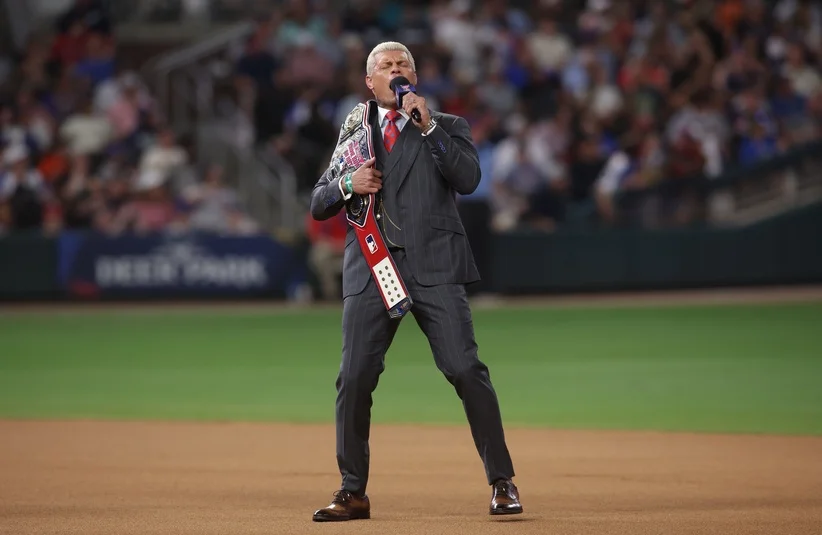
Rhodes isn’t the only one who has felt the sting of this relentless online critique. He specifically pointed to other stars who have been unfairly targeted by the digital mob. Take Liv Morgan, for example. She has repeatedly faced brutal online backlash from fans eagerly waiting for her to make a microscopic mistake just so they can hit send on a pre-drafted tweet calling her out.
Even industry legends aren’t immune. Chris Jericho, a guy who has likely forgotten more about ring psychology than most of us will ever learn, has routinely had to defend both himself and his peers against harsh fan criticism. Jericho has repeatedly reminded the masses that professional wrestling is a highly dangerous, wildly unpredictable live stunt show. Mistakes aren’t just possible; they are an inevitable part of human performance.
FAQ SECTION
Q: What did Cody Rhodes say about the word “botch”?
A: He urged fans to stop using it, calling it a “bad word” that disrespects performers.
Q: Who is involved in this discussion?
A: Cody Rhodes, WWE fans (especially “smarks”), and wrestlers like Liv Morgan and Chris Jericho.
Q: Why is this news important?
A: It highlights the tension between performers and fans, and how language affects perceptions in wrestling.
Q: What are the next steps?
A: WWE may continue to encourage respectful fan engagement while the debate over insider terminology evolves online.
What This Means For the Future Of WWE Fan Culture
So, where do we go from here? Will the internet actually listen to Cody Rhodes and retire the word? Let’s manage our expectations. The internet is going to internet. There will always be a vocal minority of fans who feel the need to loudly broadcast every tiny error they spot on their high-definition televisions.
However, when the top guy in the industry speaks up, it creates a ripple effect. Cody Rhodes is challenging the base to be better. He is asking fans to remember the human being behind the character. By actively discouraging negative, insider terminology, he is trying to foster a supportive environment where performers aren’t paralyzed by the fear of ending up on a viral blooper reel.
The next time a wrestler slips on the top turnbuckle, maybe we don’t need to race to our keyboards to type out that five-letter word. Maybe we just take a sip of our beverage, appreciate that they didn’t break their collarbone, and enjoy the rest of the match. It really is that simple.
