
Paige Shiver Speaks Out on Ex-Michigan Coach Sherrone Moore

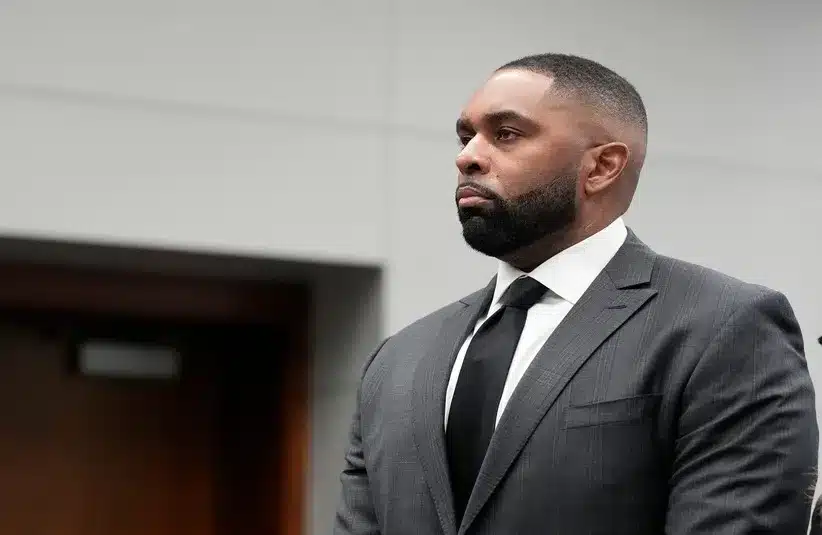
A recent interview with former Michigan football staffer Paige Shiver has cast a harsh light on the internal culture of the university’s athletic department. Speaking publicly about her relationship with former head coach Sherrone Moore, Shiver shared a deeply concerning account of power imbalances, workplace manipulation, and a lack of institutional support.
Her allegations go far beyond a simple breach of university policy. They raise serious questions about how major college football programs prioritize winning over the safety and well-being of their subordinate employees.
Paige Shiver: Relationship An “Open Secret” in the Department
During her television interview, Shiver described her relationship with Sherrone Moore as an “open secret” among the coaching staff and athletic department leadership. She stated that rather than stepping in to address the highly inappropriate dynamic between a superior and a subordinate, the staff actively used it to their advantage.
According to Shiver, colleagues frequently instructed her to console Moore when he was upset, even during halftime of football games. “No one cared about my feelings,” she explained. “They wanted to use me to help him so that they could get through the season.”
This paints a troubling picture of a workplace where boundaries were completely ignored. Instead of protecting a junior staffer, leadership allegedly leaned on her to manage the emotional state of the head coach.
The Weight of Power Dynamics
The core issue in any relationship between a boss and an employee is the inherent power imbalance. Shiver made it clear that this dynamic heavily influenced her inability to walk away from the situation.
“He controlled everything that was going on in my life,” Shiver said. She noted that Moore and the other coaches held complete control over her career trajectory. “He could fire me in a second,” she added, highlighting the constant professional threat hanging over her head.
Shiver also detailed intense emotional manipulation. She stated that whenever she tried to pull away, Moore would use self-harm threats to force her to stay. She recalled that he always found a way to make her feel like she could not leave because he would be miserable without her.
A Lack of Institutional Protection
Perhaps the most damning aspect of Shiver’s interview is her claim that the University of Michigan failed to protect her. She firmly believes that the athletic department prioritized the football team’s success and public image over her personal safety.
“They knew the things that he was doing to me, and no one did anything about it because they cared more about winning football games, not having another scandal and trying to protect the head coach,” Shiver stated.
While the university maintains that they terminated Moore promptly upon discovering the undisclosed relationship, Shiver’s account suggests a culture of willful ignorance. She admitted that she did not initially report the relationship during a fall investigation because she simply did not trust the process that had seemingly protected Moore for so long.
Broader Implications for College Athletics
Shiver’s story serves as a stark warning for college athletics as a whole. When a football program generates millions of dollars and massive public attention, the people at the top often become heavily insulated from accountability.
This case highlights the urgent need for structural changes in how athletic departments handle human resources and employee protection. Subordinate staffers need safe, anonymous, and truly independent avenues to report inappropriate behavior without fear of professional retaliation.
Until universities prioritize a safe workplace over their win-loss records, vulnerable employees will continue to fall through the cracks. Paige Shiver’s decision to speak out takes immense courage, and her words demand a serious reevaluation of how power is checked in college sports.
