Jimbo Fisher Labels Lane Kiffin As ‘Selfish’ And ‘Stupid’ Over Ole Miss Exit

Lane Kiffin has been the talk of the college football world. Former Texas A&M and Florida State head coach Jimbo Fisher has added his voice to the conversation, offering a scathing critique of Kiffin’s recent move from Ole Miss to LSU while the Rebels are still competing in the College Football Playoff (CFP).
The Comments
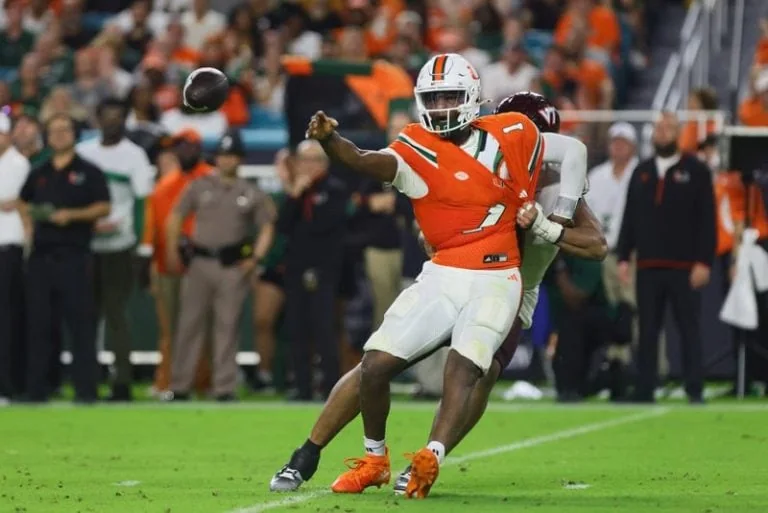
Fisher did not mince words when discussing the chaotic situation involving Ole Miss assistant coaches, calling the handling of the transition “selfish” and “stupid.” His comments come amidst a turbulent period for Ole Miss as they prepare for a CFP semifinal showdown against Miami, all while navigating the departure of their head coach and several key assistants to an SEC rival.
Jimbo Fisher Calls Out “Selfish” Behavior From Lane Kiffin
The controversy centers on how the Ole Miss coaching staff is being managed as the team makes a historic run for a national championship. While Kiffin accepted the head coaching job at LSU, the expectation was that his staff would remain focused on the Rebels’ current campaign. However, the reality has been far messier.
While offensive coordinator Charlie Weis Jr. and running backs coach Kevin Smith have confirmed they will stay with Ole Miss through the semifinal game, other assistants have already departed. Tight ends coach Joe Cox and wide receivers coach George McDonald left the program to join Kiffin at LSU, despite having stayed for the first two rounds of the playoff.
Fisher took issue with this piecemeal approach, suggesting that Kiffin likely anticipated an earlier exit for the Rebels.
“It’s selfish. It’s stupid,” Fisher said regarding the situation. He elaborated that he believes Kiffin likely assumed Ole Miss would be eliminated in the earlier rounds of the expanded playoff. When that didn’t happen, and the Rebels kept winning, the dual responsibilities of coaching a playoff team and building a staff at a new destination collided.
Fisher argued that the uncertainty hurts the players most of all. “If you took them all and said they’re never coming back, that’s fine,” Fisher stated. “You set the rules of the game. You don’t change the rules in the middle of the game. As a coach, it’s hurting the kids that pisses me off.”
The Conflict of the Calendar
Fisher’s criticism highlights a major systemic issue within modern college football: the collision of the postseason calendar with the coaching carousel and the transfer portal window.
Kiffin is attempting to accomplish two massive tasks simultaneously: supporting his former team’s national title bid (albeit from a distance now) while frantically trying to assemble a roster and staff at LSU for the 2026 season. With the transfer portal window currently open, every day spent focusing on the playoffs is a day lost in recruiting the next wave of talent.
Fisher, who won a national championship at Florida State in 2013, noted that the landscape has shifted dramatically since his title run. The introduction of the transfer portal and Name, Image, and Likeness (NIL) deals has turned roster management into a 24/7, year-round job. Coaches no longer have the luxury of waiting until after the bowl season to make moves.
However, Fisher maintains that despite these pressures, the commitment to the current players—who have worked all year to reach this stage—should take precedence. By pulling coaches away or leaving their status in limbo, Fisher argues that Kiffin is undermining the very team he built.
Broader Implications for the Sport
The situation at Ole Miss serves as a case study for the complications introduced by the expanded College Football Playoff. As the season extends deeper into January, the overlap with the hiring cycle and recruiting periods becomes more pronounced.
When a coach leaves a playoff team for another job, it creates a unique awkwardness. But when that coach leaves for a direct conference rival, as Kiffin did by moving from Oxford to Baton Rouge, the tension is amplified. The departure of assistants like Cox and McDonald before the playoff run is finished signals to many, including Fisher, that priorities have shifted away from the players on the field.
Ole Miss head coach Pete Golding, who stepped into the role following Kiffin’s exit, has the unenviable task of keeping the locker room focused amidst the noise. The retention of coordinators like Weis Jr. for the Miami game is a significant boost, but the absence of other position coaches creates gaps in preparation during the most critical week of the season.
Fisher’s Legacy and Perspective
As a coach who has navigated the highest levels of the SEC and ACC, Fisher’s perspective carries weight. His tenure at Texas A&M ended unceremoniously, but his understanding of the pressures facing SEC coaches is undeniable. His comments reflect a growing sentiment among traditionalists that the “business” side of college football—coaching contracts, portal management, and staffing—is increasingly encroaching on the integrity of the game itself.
For Lane Kiffin, the move to LSU represents a career-defining opportunity at a powerhouse program. But as Jimbo Fisher points out, the wake of that decision has left a trail of confusion and disruption for the Ole Miss players left behind. As the Rebels take the field against Miami, they do so not just battling a formidable opponent, but also the distractions of a coaching transition that has become a national talking point. Whether Fisher’s “selfish” label sticks or not, the chaotic exit has certainly added an extra layer of drama to an already heated college football postseason.