Preece Prevails in Weather‑Soaked, Caution‑Filled Clash Seal Cook Out Clash Victory

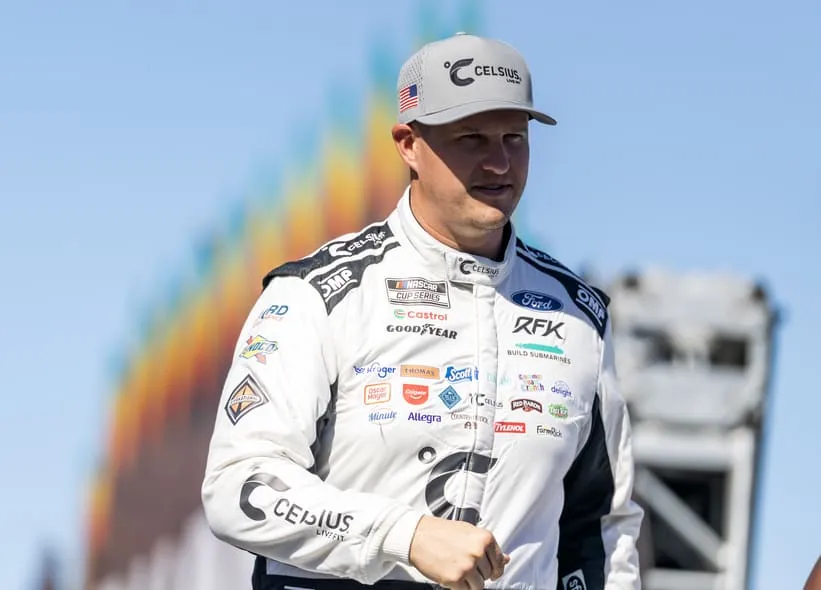
Ryan Preece endured freezing temperatures, sleet, and a record number of cautions to win the 2026 Cook Out Clash at Bowman Gray Stadium on Wednesday night, delivering RFK Racing a hard‑fought and morale‑boosting exhibition victory. Preece led 46 of 200 laps in the No. 60 Ford and overcame mid‑race damage to secure one of the most demanding wins of his career.
The victory marked Preece’s first Clash triumph and underscored his reputation as one of NASCAR’s most capable short‑track competitors, particularly when conditions become unpredictable.
Winter Weather Forces Unprecedented Conditions
The event had already been postponed three days due to historic snowfall across the Piedmont Triad. Temperatures hovered near freezing throughout the night, and sleet began falling as the field reached the scheduled Lap‑100 break. Ty Gibbs led at the time, but NASCAR extended the intermission while officials assessed the track surface.
With precipitation continuing, NASCAR mandated Goodyear wet‑weather tires for the remainder of the race, the first use of the package in freezing conditions on a quarter‑mile oval. The decision immediately changed the complexion of the event.
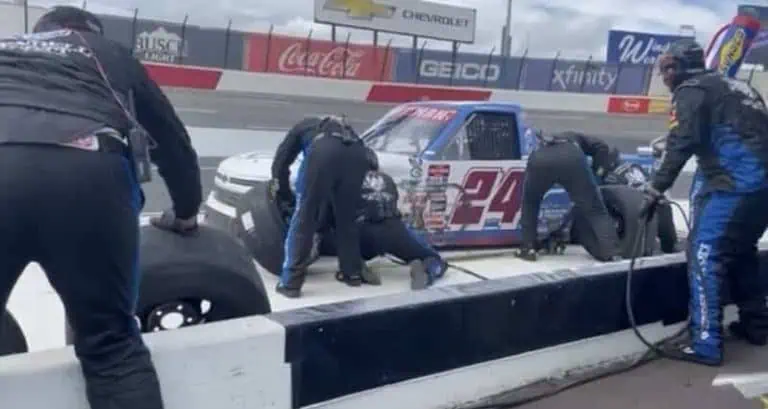
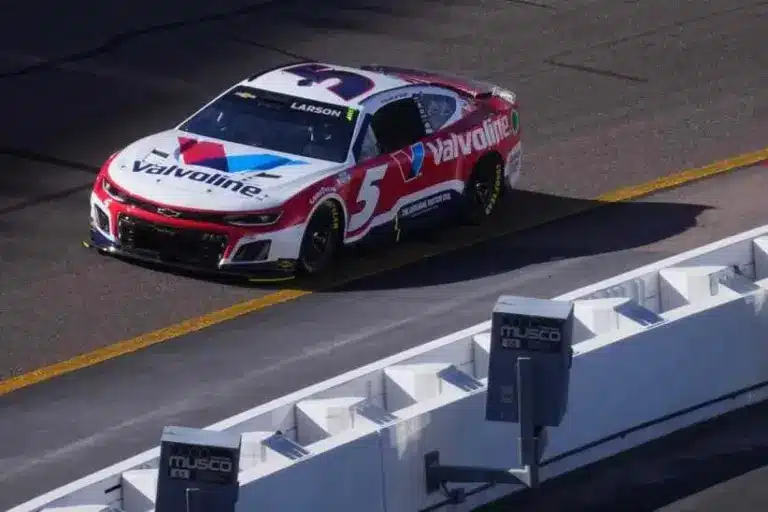
On the Lap‑101 restart, Denny Hamlin lost traction entering Turn 4 and slid into polesitter Kyle Larson, sending the No. 5 Chevrolet backward into the SAFER barrier. The incident triggered a multi‑car stack‑up that collected Preece, who was running outside the top ten. Quick repairs by the No. 60 crew kept him on the lead lap and in contention.
A Record Night for Incidents
The slick surface turned the tight Bowman Gray layout into a test of survival. The race produced a Clash‑record 17 cautions, surpassing the previous mark set at the Los Angeles Memorial Coliseum in 2024. Only one driver avoided involvement in an incident, and 23 of 24 starters were listed in at least one caution report. Notable incidents included:
- Josh Berry, advancing from the Last Chance Qualifier, saw his night end after heavy contact with the outside wall.
- Austin Cindric spun twice, each time triggering multi‑car congestion.
- Carson Hocevar led 18 laps, the third‑most of the night, before colliding with Gibbs’ stalled car on Lap 144. Later contact with Bubba Wallace ended his hopes of a late‑race rebound.
- Several drivers reported visibility issues due to sleet accumulating on windshields and helmet visors.
The combination of cold temperatures, wet pavement, and Bowman Gray’s confined racing lines created conditions rarely seen in modern NASCAR competition.
Van Gisbergen Shows Strength Before Late Trouble
Shane van Gisbergen delivered one of the night’s most impressive performances. Drawing on extensive wet‑weather experience from the Supercars competition, he carved through the field and led 15 laps, emerging as a legitimate contender during the second half of the race.
His run ended with fewer than 40 laps remaining when contact from Chase Briscoe sent the No. 16 spinning in Turn 3, collecting teammate Connor Zilisch. Despite the setback, van Gisbergen’s adaptability on an oval in adverse conditions stood out as one of the event’s key storylines.
Preece Controls the Final Stage
As the race entered its final quarter, Preece steadily worked his way forward. He took the lead for the final time with just under 30 laps remaining and held off challenges from Gibbs, Joey Logano, and Chase Briscoe. Preece’s restarts proved decisive. With grip at a premium, he consistently launched cleanly from the inside lane, avoiding the wheelspin that plagued several competitors.
His pace stabilized as others continued to slide, and he maintained control through two late cautions that threatened to reset the field. The win marked RFK Racing’s first Clash victory since the team’s rebranding and provided an encouraging indication of the organization’s offseason progress.
Wet‑Weather Package Shows Promise
Beyond the race result, the event served as a significant test for NASCAR’s short‑track wet‑weather package. Despite the high caution count, the cars remained raceable in sleet and near‑freezing temperature conditions that would have halted competition under previous rules. Officials noted that tire wear remained manageable, and several drivers cited improved visibility compared to earlier iterations of the package.
While the night was far from clean, completing the event without postponement was considered a technical success. The performance of the wet‑weather package may influence future scheduling decisions, particularly for early‑season short‑track events vulnerable to rain or cold.
An Exhibition Race With A Lasting Impression
The 2026 Cook Out Clash will be remembered for its extreme weather, its record number of cautions, and the unpredictability that defined every lap. Yet amid the attrition, Ryan Preece delivered the steadiness the night demanded.
His recovery from early damage, disciplined restarts, and composure on a constantly changing surface separated him from a field filled with proven contenders. For RFK Racing, the victory provides meaningful momentum entering the new season. For NASCAR, the event offered valuable data on the viability of wet‑weather racing at short tracks.
What’s Next
And for fans, it reaffirmed Bowman Gray Stadium’s reputation as one of the sport’s most volatile and compelling venues. On a night defined by survival, Preece did more than endure. He controlled the chaos and left the Madhouse with a defining victory.