NASCAR Playoffs Return to Roots as Charlotte Roval Exits Schedule

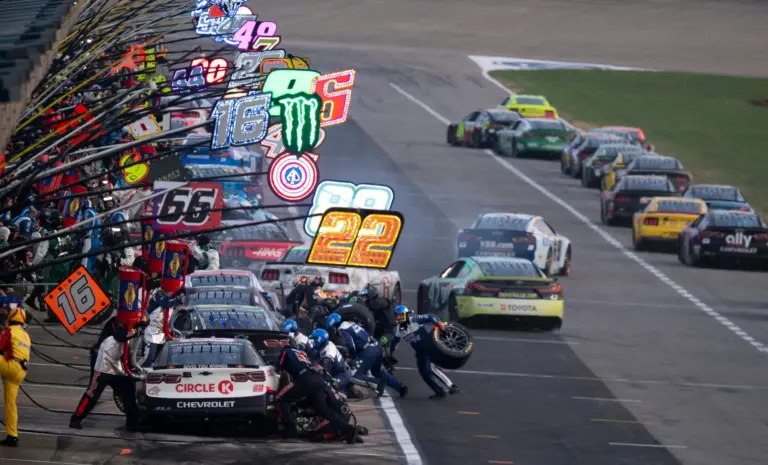
The experiment is officially over. After years of chaotic restarts, chicane controversies, and last‑lap desperation, NASCAR is shelving the Charlotte Roval for the Cup Series playoffs. According to recent reports, the sanctioning body is steering back toward tradition. When the Cup Series haulers roll into Concord, North Carolina, next October, teams won’t be preparing for a hybrid road course.
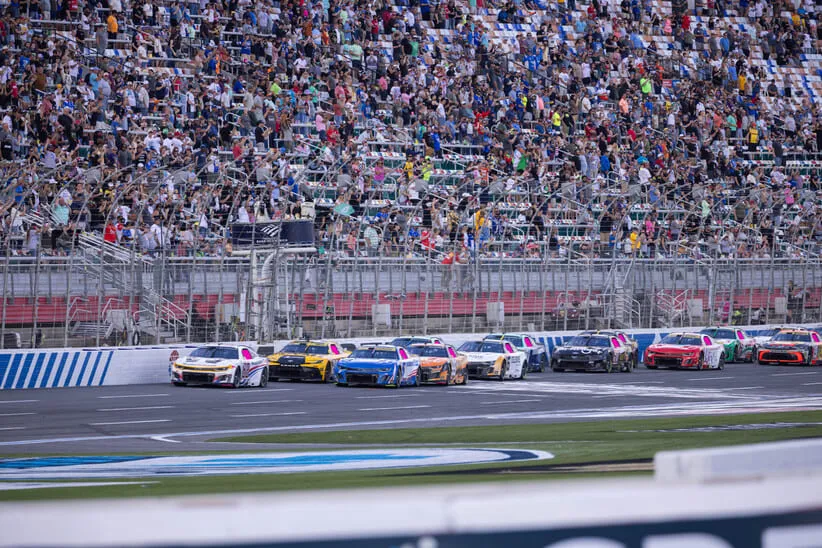
Instead, they’ll face the unforgiving, high‑banked concrete of the traditional Charlotte Motor Speedway oval. It’s a philosophical shift that reshapes the complexion of the championship battle and signals a renewed confidence in the sport’s core product.
The Rise and Fall of the Charlotte Roval
To understand the weight of this decision, you have to revisit why the Roval existed in the first place. Introduced in 2018, it was NASCAR’s answer to a stagnant era of 1.5‑mile racing. Fans wanted unpredictability. They wanted chaos.
NASCAR delivered by stitching together the infield road course with the high‑speed oval turns, creating a Frankenstein layout unlike anything else on the schedule. For a time, it was magic. Jimmie Johnson and Martin Truex Jr. wrecked coming to the line. Chase Elliott plowed into a tire barrier, then stormed back to win.
The Roval became the ultimate playoff wild card and a place where championship hopes evaporated in the infamous “Heartburn Turn,” and where even the best teams could be undone by a single misjudged braking zone. But the novelty faded. With the arrival of the Next Gen car, intermediate ovals have undergone a renaissance.
The Charlotte oval was once criticized for single‑file monotony, but it has produced some of the best racing in the series, particularly during recent Coca‑Cola 600s. NASCAR is betting that the purity of oval racing now outshines the manufactured chaos of the Roval, and that the playoff drama can come from competition rather than calamity.
A Postseason Without Right Turns
Removing the Roval creates a fascinating new playoff dynamic. With Watkins Glen also exiting the postseason rotation, the road‑course era of the playoffs is effectively over. The path to the Bill France Cup will now feature zero right turns for the first time in years.
For much of the last decade, the narrative was that a champion needed versatility across short tracks, intermediates, superspeedways, and road courses. This schedule pivots back to the sport’s foundation. The playoffs will once again be a test of raw horsepower, discipline, and oval excellence.
The Charlotte race is set for Sunday, October 11, serving as the fifth‑to‑last event of the season. That places the oval squarely in the pressure zone. Unlike the Roval, where survival often trumped speed, the oval demands precision. There are no lucky breaks at 180 miles per hour, no chicanes to reset the field, and no built‑in chaos to bail out a struggling team.
The Trackhouse Racing Dilemma
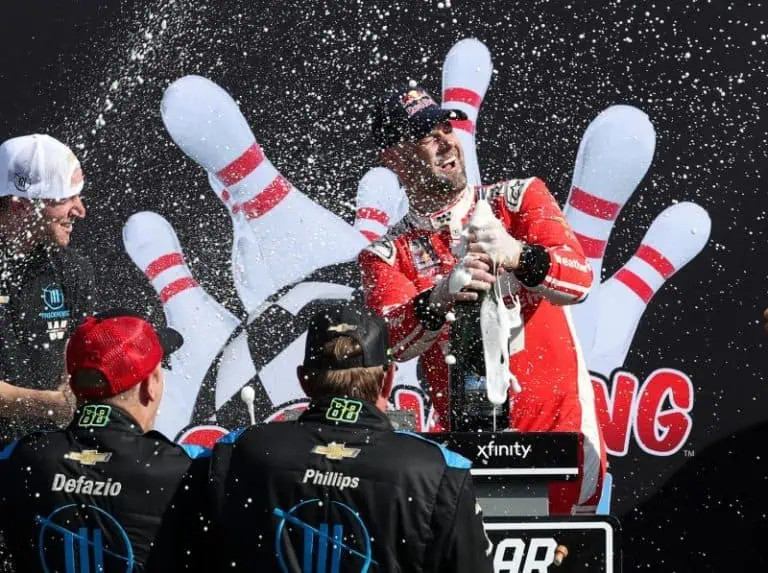
Every schedule change creates winners and losers, but no team takes a bigger hit than Trackhouse Racing and its road‑course ace, Shane van Gisbergen.Trackhouse brought the Kiwi phenom to NASCAR specifically for his elite road‑racing skillset. In 2025, he won four of the five road‑course events on the calendar, often by margins that made the rest of the field look ordinary.
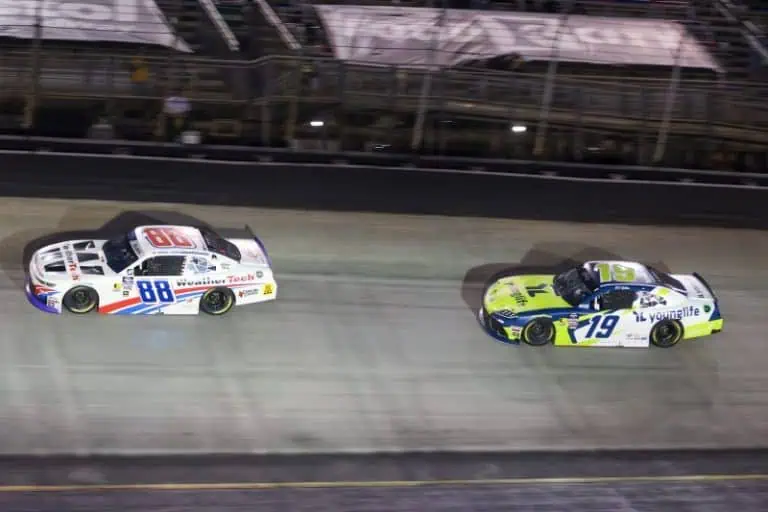
Under the old format, the Charlotte Roval was essentially a guaranteed advancement opportunity for the No. 88 team, a built‑in advantage that could erase a mediocre race elsewhere. Now, that safety net is gone.
The impact is magnified by the new playoff format, which prioritizes consistent points accumulation over “win‑and‑you’re‑in” advancement. Van Gisbergen doesn’t just lose his strongest track; he loses a critical chance to outscore the field.
He must now prove he can contend on high‑speed ovals against veterans who have spent decades mastering Charlotte’s nuances, from the bumps in Turn 3 to the way the track tightens as the sun sets. For a driver still learning the subtleties of oval racing, the timing couldn’t be tougher.
What This Means for the Competition
Replacing the Roval signals that NASCAR is listening to the garage. Drivers have long argued that the championship should be decided on the sport’s primary track type, not on a hybrid layout that rewards survival over skill.
This shift favors pure oval racers, such as Denny Hamlin, Kyle Larson, and Joey Logano. These are competitors who understand how Charlotte evolves from day to night, who know how to manage tire wear over long green‑flag stretches, and who can find speed in the smallest grooves of the racing surface.
We are trading carnage for craftsmanship. The Roval was about surviving calamity. The Charlotte oval is about out‑driving the competition. It removes randomness and places the outcome squarely in the hands of drivers and crew chiefs, exactly what many in the sport have been asking for.
What’s Next
The Charlotte Roval served its purpose. It injected energy into the playoffs when the sport needed a jolt. It delivered unforgettable moments that will live in highlight reels for years. But the sport has evolved.
The cars are better on ovals, the racing is stronger, and fans appear ready to embrace the speedway’s tradition again. Come October, there will be no turtles to hop and no chicanes to cut. Just 40 cars, 24 degrees of banking, and a championship on the line. That’s exactly how it should be.