Ferrari Reveals a Glimpse of the Future: The 2026 F1 Active Aero Era Begins

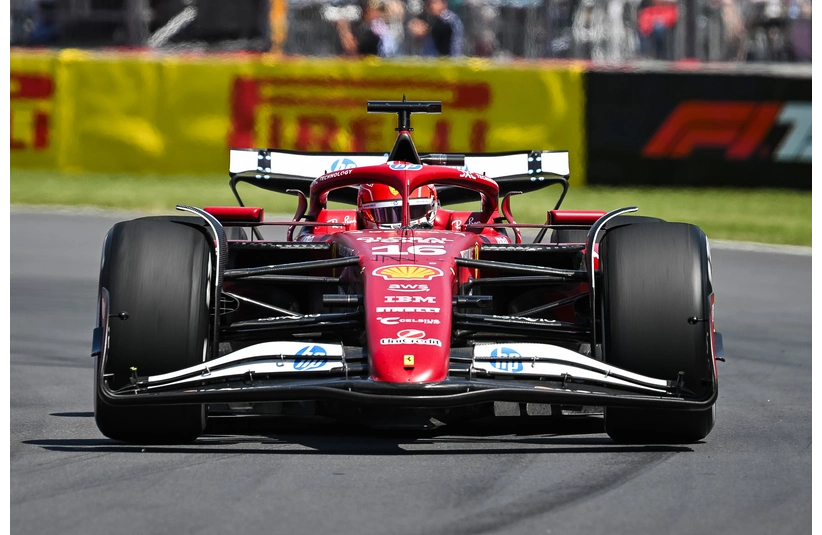
The team in Maranello just gave us our first real look at what the future holds, and honestly, it’s pretty wild. During a shakedown at their Fiorano test track, Ferrari officially broke cover on the SF-26, and eagle-eyed fans spotted something huge: active aerodynamics in action.
For years, we’ve been used to the DRS flap popping open to help cars overtake on straights. But what Ferrari just showed off is a whole different beast. This isn’t just about overtaking anymore; it’s about how the entire car breathes and moves on the track.
The Magic of Active Aerodynamics
Let’s break down what we actually saw. The SF-26 was caught testing the new active aero system that defines the upcoming 2026 rules. Unlike the current DRS, which only opens when you’re within a second of the car ahead, this new tech is baked into the car’s driving every single lap.
The system has two main states: Corner Mode and Straight Mode. In Corner Mode (the default setting), the wings are set for maximum downforce. It’s all about sticking that Ferrari to the tarmac through the twisty bits.
Then, there’s Straight Mode. Drivers can trigger this in specific zones to flatten out the front and rear wings, dumping drag to hit high top speeds. The coolest part? It’s dynamic. As soon as Charles Leclerc or Lewis Hamilton lifts off the throttle or touches the brake for a corner, the system snaps back to high-downforce mode instantly.
It has to happen in the blink of an eye because if the air doesn’t reattach to the wings immediately, the car becomes unstable under braking. It’s a massive engineering challenge, but seeing Ferrari become the first team to publicly debut it is a statement of intent.
How Ferrari is Tackling the Diffuser Challenge
Digging into the technical weeds a bit, there were some fascinating details on the SF-26 that distinguish it from the Mercedes W17 we saw recently. Both teams have introduced a visible hole in the lower bodywork around the diffuser. It looks a bit like the “mouse holes” we saw years ago, but bigger.
In the ground-effect era we just left, you wanted the floor sealed tight. But under these new rules, Ferrari is actually bleeding air from the outside into the diffuser wall to energize the flow.
It’s the diffuser equivalent of a slot gap on a wing, essentially trying to keep the air moving fast so the downforce doesn’t stall. It’s these little details that remind you why F1 engineers are the best in the world. They take a rulebook designed to restrict them and find clever ways to claw back performance.
Suspension and Setup Choices
Another big talking point is the suspension. Ferrari has switched to a pushrod layout for both the front and rear suspensions. This brings them in line with what Red Bull and Mercedes are doing. Why does this matter? It’s not so much about how the suspension moves as about where the components sit.
By moving the rockers up high (pushrod), Ferrari clears up space lower down for airflow. This clean air is crucial for feeding those new “floor boards” and the mandated vanes that sit where the old barge boards used to be.Interestingly, Alpine went a different route, sticking with a pullrod front suspension. It just goes to show that even with tight regulations, there’s still room for different philosophies.
A New Chapter for the Prancing Horse
Seeing the SF-26 on track, even just for a shakedown, brings a real sense of excitement. We know the car we see in February testing might look different, but the core DNA is there. With Lewis Hamilton and Charles Leclerc, Ferrari isn’t just building a car for the new regulations. They are building a legacy.
The 2026 refresh is a clean slate, and if this early glimpse of their active aero and aggressive floor concepts is anything to go by, the Scuderia is not here to make up the numbers. The engine noise might be changing, and the cars might look different, but the passion? That’s exactly the same. I don’t know about you, but I’m ready to see it in action.