
$15 Billion? No Thanks. Why Stephen Ross Turned Down a Record Offer for the Dolphins

Every sports owner has a price. Or at least, that’s the conventional wisdom in the high-stakes world of professional sports ownership. When a massive check is waved in your face—one with nine zeros attached to it—the smart business move is usually to take the profit and run.
An Admission From Stephen Ross
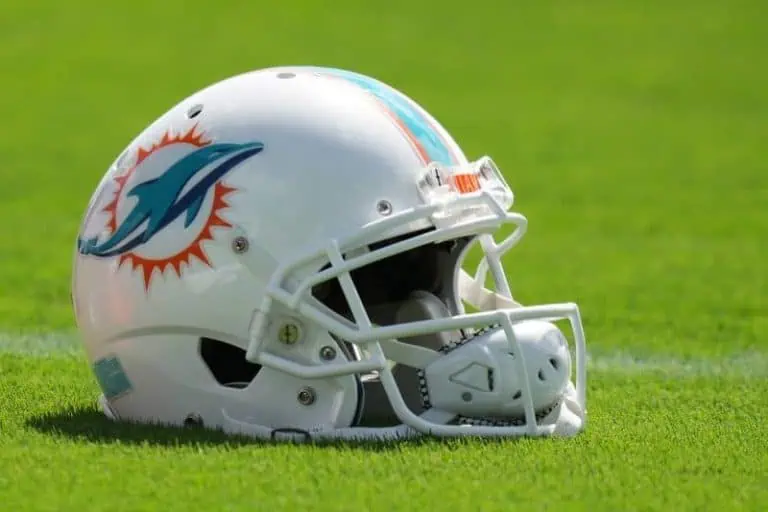
Miami Dolphins owner Stephen Ross plays by a different set of rules.
In a recent revelation that sent shockwaves through the NFL financial landscape, Ross admitted he has fielded offers “close to $15 billion” for the franchise. And his response? A polite, but firm, decline.
For context, Ross purchased the team in 2009 for roughly $1 billion. Walking away from a potential 1,400% return on investment isn’t just a bold move; it’s a massive vote of confidence in the future of the NFL. But why turn down enough money to buy a small country? It turns out, for Ross, it’s about more than just the cash—it’s about legacy, family, and the belief that the NFL shield is the safest bet in the global economy.
The Offer That Would Have Shattered Records
When Ross sat down with Bloomberg Newsmakers and he didn’t mince words. He confirmed that the rumors regarding astronomical offers for the Dolphins were true. While he didn’t name-drop the specific bidders, the figure—$15 billion—is staggering.
To put that number in perspective, the Washington Commanders recently sold for a record-breaking $6.05 billion. The offer Ross rejected was more than double the highest price ever paid for an American sports franchise.
If Ross had accepted, it would have instantly reset the market for every team in the league. It would have signaled that the ceiling for sports valuations hasn’t just been raised; it’s been blown off entirely. By saying no, Ross effectively told the world that he believes the Miami Dolphins are worth even more than that historic sum.
Why Walk Away from the Windfall?
The natural question for any fan or financial analyst is: Why? Why leave that much money on the table?
Ross’s logic is surprisingly simple. In his view, there is no better asset class than the NFL. “I look at it and I say, ‘What would I do with the money?… “There’s no better asset than owning an NFL team.”
He has a point. The NFL is a juggernaut. With media rights deals exploding, international expansion on the horizon, and the league’s dominance over American culture cementing every Sunday, the revenue streams are virtually guaranteed.
Furthermore, the Dolphins aren’t just a football team; they are a diversified entertainment engine. Ross owns Hard Rock Stadium, which hosts Formula 1 races, the Miami Open tennis tournament, and global concert tours. He has built a localized economy around the team that generates revenue year-round, not just on eight Sundays in the fall. Selling the team would mean liquidating a machine that prints money.
The Succession Plan: Keeping It in the Family
Perhaps the most significant takeaway for Dolphins fans is what this refusal says about the future of the team’s leadership. For years, there has been speculation about who would take the reins when the 83-year-old owner eventually steps aside.
Ross put those questions to rest. He reiterated his intention to keep the Dolphins in the family, specifically naming his son-in-law, Daniel Sillman, as the successor who will run the franchise.
This signals stability. In a league where ownership churn can lead to chaotic front offices and uncertainty on the field (just ask fans of the Commanders or Broncos during their transition periods), Ross is laying out a clear roadmap. There will be no bidding war, no vetting of unknown billionaires, and no drastic organizational pivot. The Ross-Sillman era ensures continuity for the front office, the coaching staff, and the roster.
What This Means for the NFL Market
Ross’s refusal to sell at $15 billion does more than just secure the Dolphins’ future; it validates the insane growth of the NFL.
For decades, owning a team was a vanity project for the ultra-wealthy. Today, it’s hard corporate strategy. The scarcity of these assets—there are only 32 NFL teams on the planet—drives demand through the roof. By holding onto the team, Ross is betting that the bubble isn’t going to burst anytime soon.
The Bottom Line for Dolphins Fans
For the average fan in the stands at Hard Rock Stadium, this news might seem like billionaire abstract art. But it matters. It means the ownership group isn’t looking for a quick exit strategy. It means they are invested—literally and emotionally—in the long-term health of the franchise.
Stephen Ross had 15 billion reasons to sell the Miami Dolphins. That he chose to keep them suggests he believes the best days for the franchise, and the league, are still ahead.