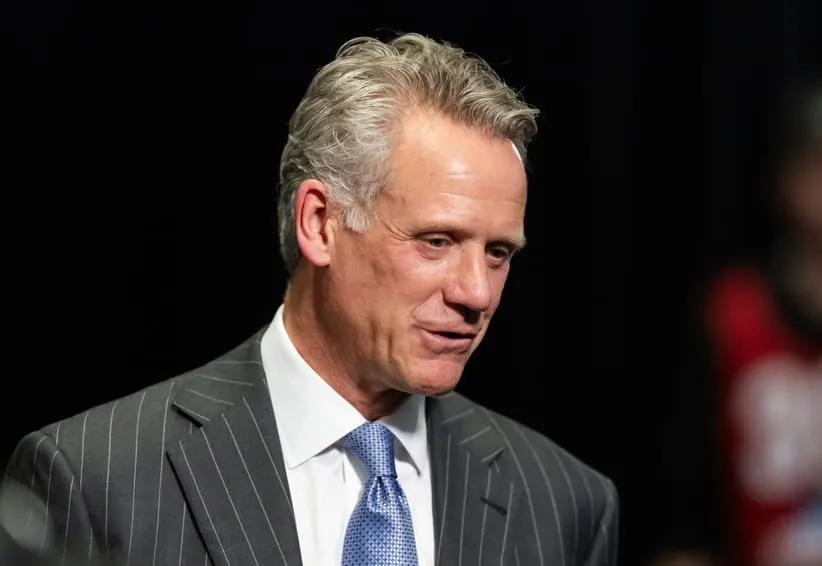
Breaking: Steve Phelps Steps Down as NASCAR Chief Amid Text Scandal

Steve Phelps is stepping away from NASCAR, ending a two‑decade run that shaped the sport through some of its most challenging and defining moments. His resignation comes only a month after an antitrust lawsuit dragged private conversations into the public eye and left his leadership standing on shaky ground.
A Career Built Inside the Sport
Phelps arrived at NASCAR in 2005 and worked his way through the organization with a reputation for being steady, approachable, and deeply invested in the sport’s future. He wasn’t the type to hide in an office. Before every race, he walked pit road, shaking hands, checking in with drivers, and absorbing the garage’s pulse. That visibility mattered. People noticed.
His leadership during the COVID shutdown remains one of the strongest chapters of his tenure. While other leagues scrambled, NASCAR found a way back to competition. The full schedule was completed, teams stayed afloat, and the sport kept its commitments to broadcasters. That stretch alone earned Phelps a level of respect that doesn’t fade easily.
The Lawsuit That Shifted Everything
The turning point came with the antitrust case brought by two race teams, including Michael Jordan’s 23XI Racing. The lawsuit was settled, but the damage was already done. The discovery process exposed private texts and emails from Phelps that stunned the NASCAR community. His comments about Richard Childress, a Hall of Fame owner and one of the sport’s most respected figures, landed hard.Childress isn’t just another name in the garage.
He’s tied to the legacy of Dale Earnhardt Sr., and he carries the weight of decades of loyalty from fans and sponsors. When Bass Pro Shops founder Johnny Morris publicly called for Phelps to step down, the pressure became impossible to ignore.
Charter Negotiations Added More Strain
The lawsuit also revealed how deeply Phelps was involved in the charter negotiations that sparked the legal battle. As the lead negotiator, he was the one delivering NASCAR’s firm stance, even when he and NASCAR president Steve O’Donnell privately pushed for more flexibility.
Emails showed Phelps issuing hard deadlines and blunt warnings that charters would be revoked. He was carrying out orders from NASCAR chairman and CEO Jim France, but the optics were rough. To many teams, Phelps became the face of a negotiation process they believed was stacked against them.
His frustration with SRX, a rival series, also surfaced in messages that spread quickly through the garage. It painted a picture of a leader under pressure, trying to hold the sport together while the ground shifted beneath him.
Reaction Inside the Garage
Fans, especially those loyal to Childress, turned sharply against Phelps once the messages became public. But inside the garage, the reaction is more complicated. Many team owners and drivers still credit him for years of stability and progress.
Denny Hamlin, co‑owner of 23XI Racing, called Phelps a major asset and said NASCAR was fortunate to have him during the years leading up to the lawsuit. Even those who disagreed with him rarely questioned his commitment. He showed up. He listened. He carried the weight of the job, even when it meant taking the heat.
The Legacy He Leaves Behind
Jim France called Phelps one of NASCAR’s most impactful leaders when announcing the resignation, and that’s not an exaggeration. Phelps helped guide the sport through economic uncertainty, a global pandemic, and a rapidly changing media landscape.
He pushed NASCAR to modernize and expand its reach.His departure closes a chapter filled with both progress and conflict. NASCAR now faces the task of rebuilding trust and steadying its leadership after a year that exposed deep fractures.
But no matter how the next era unfolds, the story of modern NASCAR can’t be told without Phelps. His fingerprints are on nearly every major decision of the last 20 years, and his influence will linger long after he walks out of the building for the final time.