NBA Champion’s Cause Of Death Revealed

The basketball world is in mourning after NBA champion Elden Campbell, the former Clemson Tigers legend and longtime NBA center, passed away at 57 years old. Days after news of his death broke, Broward County officials confirmed the cause: accidental drowning following a medical emergency on a fishing trip.
Campbell’s death sent shockwaves through former teammates, coaches, and fans around the country. Many of whom remembered him for his rare combination of size, skill, and quiet strength. As the tributes continue to flow in, more has been learned about the final moments and enduring legacy of the beloved figure.
Tragedy Strikes Suddenly
The death was first announced by officials at Clemson, and later confirmed by his family, who made it clear that Campbell hadn’t been ill prior to the incident. Broward County authorities say the 57-year-old NBA champion Campbell drowned after a medical emergency as he was out on the ocean fishing. His family said the tragedy was totally unexpected and that Campbell had been having a normal day on the water. TMZ Sports initially reported the cause of death, which local officials have since verified as true.
In the most emotive of statements, Campbell’s family remembered him as a man defined by faith, generosity, and devotion to loved ones. They wrote that he “passed doing what he loved: fishing out on the ocean, enjoying his idea of an ideal day,” showing just how much he valued quiet moments away from the public eye. His sister, Sandra, said again how the death came out of the blue, adding that there was no indication of poor health in the days or weeks leading up to the trip.
Campbell’s former Clemson coach, Cliff Ellis, said he was deeply saddened by his death, describing him as an instrumental figure in the university’s basketball history. Ellis spoke not only to Campbell’s on-court greatness but to the impact he had as a man, noting his humility and how he supported the Clemson community long after retirement.
A 15-Year NBA Career Of Steady Impact, Versatility, and a Championship
Campbell’s basketball career began well before his NBA years, as he had an outstanding career at Clemson from 1986 to 1990. He became the school’s all-time leading scorer with 1,880 points, guiding the Tigers to the 1989-90 ACC regular-season championship and a Sweet 16 appearance. That success made him a first-round pick in the 1990 NBA Draft, taken by his hometown Los Angeles Lakers with the 27th overall selection. Campbell arrived during the final days of the Showtime era, playing alongside Magic Johnson during his last full season.
Campbell played the better part of eight seasons with the Lakers, providing a steady, consistent presence for the franchise during a period of transition. Across 618 games for Los Angeles, he averaged 10.4 points and 5.9 rebounds while establishing himself as a capable protector of the rim, a versatile forward, and a durable pro.
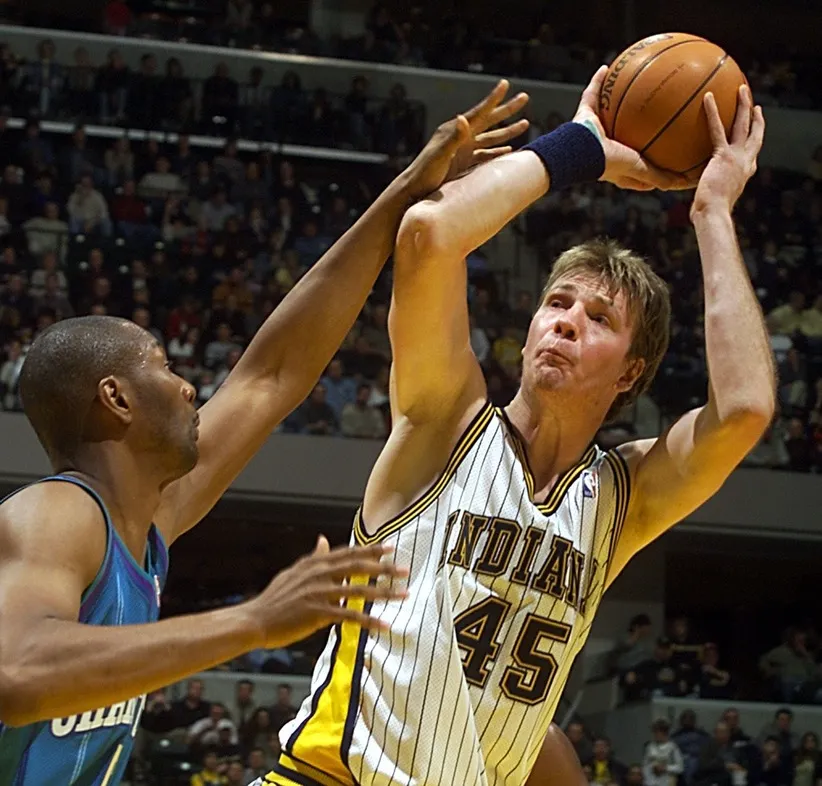
Former teammates, including Byron Scott and Cedric Ceballos, remembered him as a soft-spoken, even-keel presence who was universally well-liked; teammates called him “Easy E” because of his laid-back demeanor. His production and professionalism stayed at the same level, even as the team’s identity shifted around him. Acquired in 1999 by the Charlotte Hornets, Campbell played some of the best basketball of his life.
He averaged 15.3 points and 9.4 rebounds over the final stretch of that season and went on to be a key contributor for several teams over the course of the following years. His persistence would pay off ultimately in the form of an NBA championship with the Detroit Pistons in 2004. He played an important reserve role during their Finals victory over the Lakers. When he retired, Campbell had logged 1,044 NBA games with the Lakers, Hornets, Pistons, Seattle SuperSonics, and New Jersey Nets.
Final Thoughts
The personal loss to those who knew Campbell well, even the fans who admired his consistent greatness over more than a decade of NBA basketball, is immense. The league-wide respect for the champion he commanded due to quiet leadership and consistent production, was placed above that of other players.
Much of his connection with Clemson remained intact long after his final game. Campbell’s passing serves as a sad reminder of just how fragile life is, but his legacy-a champion, program cornerstone, and beloved teammate-lives on.