The Night the Streak Died: Lakers Lose 125-108 to a Depleted Suns Team

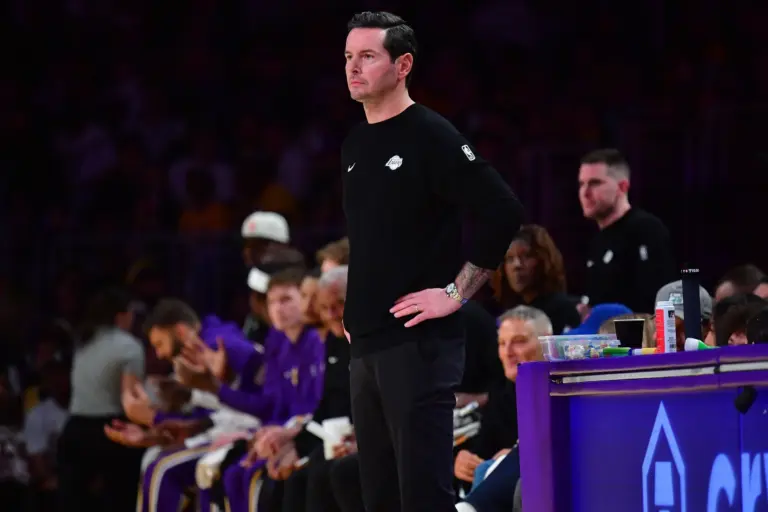
The air inside Crypto.com Arena felt different early Monday night. It wasn’t just the anticipation of a standard Lakers vs Suns regular-season clash; it was the swagger of a team that had forgotten how to lose. The Lakers were riding a seven-game winning streak, surfing a wave of momentum that made them look like the unquestioned kings of the Western Conference.
But by the time the final buzzer sounded on a baffling 125-108 defeat to the Phoenix Suns, the arena was half-empty, leaving only the echoes of a stunned silence and a few scattered boos.
In a league defined by star power, this game was supposed to be a coronation for the home team. Instead, it became a testament to the unpredictable, chaotic nature of the NBA. The Lakers, seemingly invincible for two weeks, were dismantled not by a fully loaded juggernaut but by a Suns team that lost its best player, Devin Booker, to a groin injury in the first quarter.
A Tale of Two Halves for Los Angeles
If you only watched the first twelve minutes, you would have assumed the Lakers were en route to a blowout victory. Luka Doncic, continuing his MVP-caliber campaign in Purple and Gold, was nothing short of incandescent. He poured in 20 points in the opening frame alone, tossing in step-back threes and floaters with a casual arrogance that suggested the game was already over.
But basketball is a game of rhythm, and somewhere between the first and second quarters, the Lakers lost theirs completely. The offensive fluidity that had defined their seven-game tear evaporated, replaced by isolation-heavy possessions and a lack of defensive connectivity.
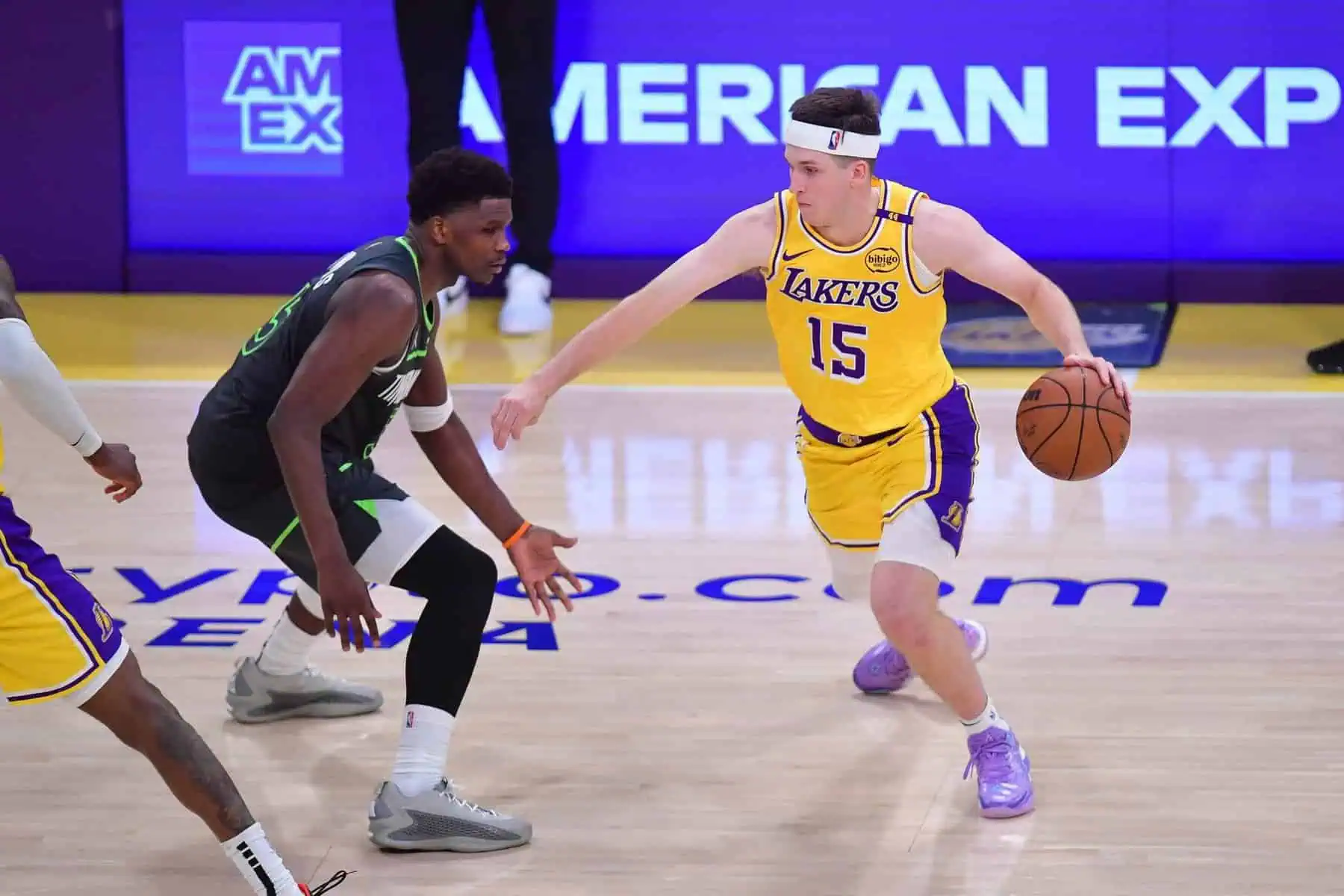
The Suns, rallying around the absence of Booker, turned up the defensive pressure. They forced the Lakers into 22 turnovers—a sloppy, careless statistic that usually guarantees a loss in this league. The crisp passing lanes Doncic exploited early on were suddenly clogged with active hands and rotating bodies.
The Unlikely Rise of Collin Gillespie
Every NBA season has moments that defy logic, and Monday night belonged to Collin Gillespie. A player who usually operates in the margins of the scouting report stepped into the spotlight and delivered a performance that Phoenix fans will talk about for years.
With the game hanging in the balance and the Lakers attempting to claw their way back, it wasn’t a superstar who closed the door. It was Gillespie. He erupted for a career-high 28 points, including a blistering fourth quarter where he scored 16. He drained a career-best eight 3-pointers, each one feeling like a dagger into the heart of the Los Angeles faithful.
Watching Gillespie operate was a reminder of the sheer depth of talent in the modern NBA. On a night when the Lakers had the biggest names on the marquee, it was the undrafted grit of Gillespie that stole the show.
Dillon Brooks Embraces the Villain Role
Of course, you cannot tell the story of this game without mentioning Dillon Brooks. The man NBA fans love to hate was at his absolute best—or worst, depending on your allegiance. With Booker out, Brooks didn’t just fill the scoring void; he commanded the floor.
Scoring 33 points on an efficient 11-of-16 shooting, Brooks was the engine that kept Phoenix running. He attacked the rim with ferocity and hit timely jumpers whenever the Lakers threatened a run. More importantly, he brought a physical edge that Los Angeles simply couldn’t match. While the Lakers looked listless in the middle quarters, Brooks was diving for loose balls and barking orders, willing his team to believe they didn’t need their franchise player to win on the road.
LeBron Keeps History Alive, But Just Barely
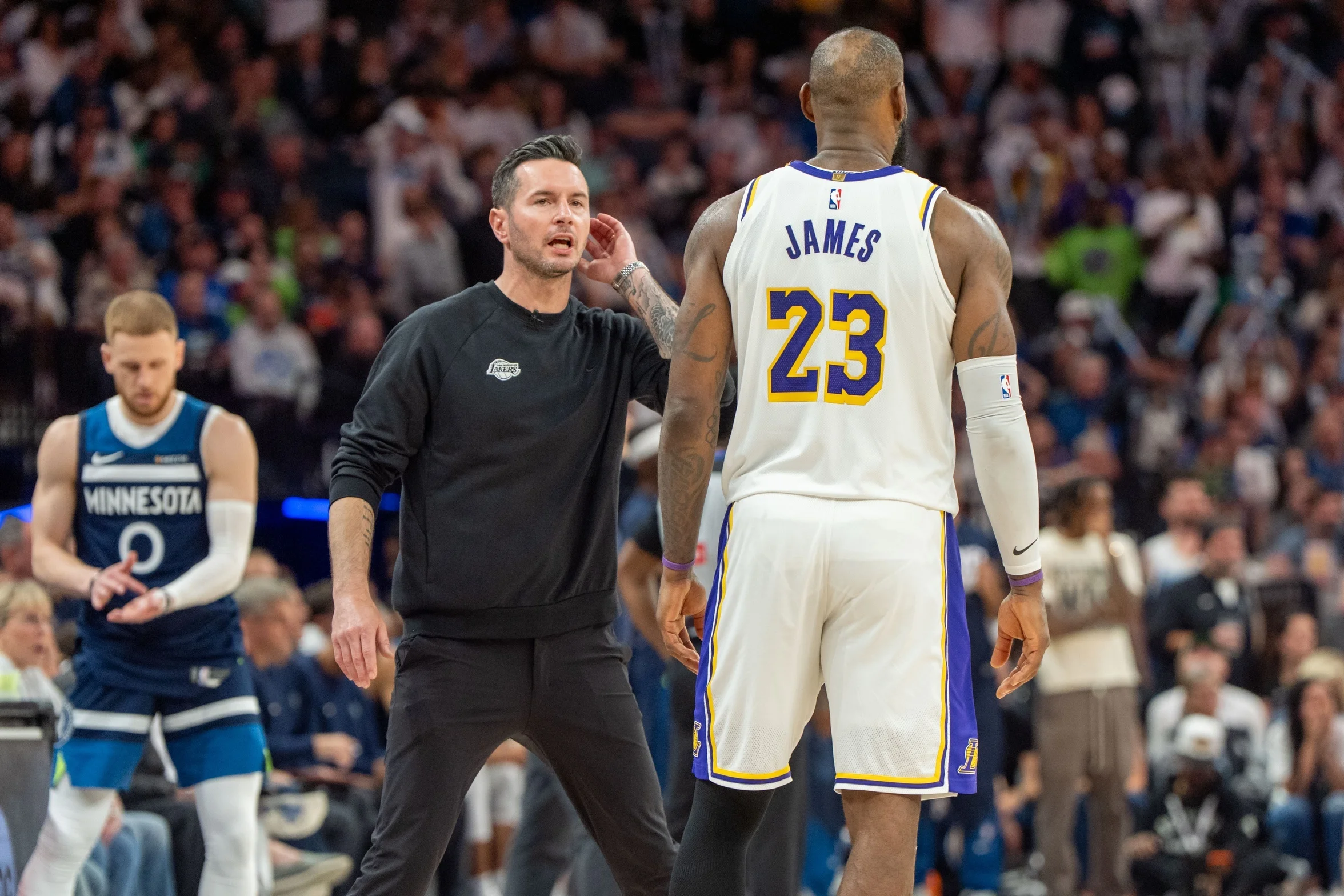
Amidst the disappointment of the loss, a subplot of history nearly unraveled. LeBron James, the ageless wonder, struggled to find his rhythm all night. For a stretch in the fourth quarter, it appeared his legendary streak of scoring in double digits—a record spanning 1,297 consecutive regular-season games—was in genuine jeopardy.
The tension was palpable. It wasn’t just about winning anymore; it was about preserving a legacy. With 6:51 remaining and the game slipping away, James finally connected on a 3-pointer to reach 10 points. The streak, which began in 2007, survived. But it was a hollow victory on a night where his impact was largely neutralized by Phoenix’s swarm.
What This Means for the Lakers
One loss doesn’t derail a season, but the nature of this defeat should serve as a wake-up call. The Lakers cannot rely solely on the brilliance of Doncic’s first-quarter explosions or the historic consistency of James. When the easy baskets stop falling, and the opponent turns the game into a grind, Los Angeles has to find a way to match that intensity.
The Lakers walked into the arena thinking the streak would protect them. They walked out, reminded that in the NBA, the hunter can become the hunted in the blink of an eye.