Las Vegas GP Succeeds, but F1’s Timing Still Needs Work

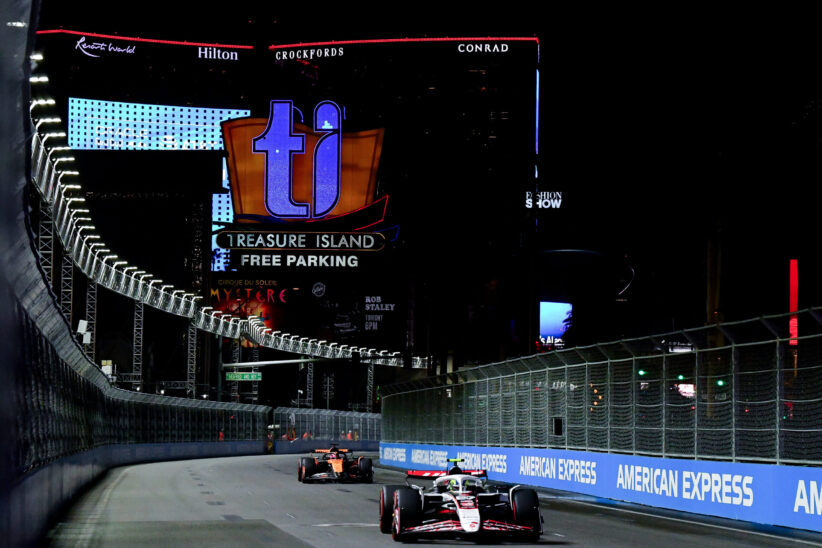
Let’s be honest, the idea of shutting down the Las Vegas Strip for a Formula 1 race sounded a little nuts at first. And after a bumpy, over-the-top debut in 2023, you could forgive people for being skeptical. But here we are, after the third running of the Las Vegas Grand Prix, and it feels like F1 is finally hitting its stride in the desert. It’s becoming less of a wild gamble and more of a sure thing.
While official attendance numbers haven’t been released, the “sold out” signs were everywhere. It seems F1 has learned a thing or two, offering a wider range of tickets rather than just catering to high rollers. It’s a smart move, recognizing that the sport’s fanbase is as diverse as the city itself.
Mixed Feelings About Las Vegas GP
Walking around, you can still feel a split in the city’s vibe. Chat with an Uber driver or a bartender, and you’ll get mixed reviews. Some locals still grumble about the traffic and disruption, and fair enough, it’s a massive undertaking. But others see the bigger picture, acknowledging the economic boost the race brings to Las Vegas during what used to be a quiet pre-Thanksgiving weekend.
Opinions Divided
Inside the F1 world, the opinions are just as divided, and it pretty much depends on who you ask. The team principals and commercial bosses? They’re on cloud nine. For them, Las Vegas is a goldmine for business-to-business opportunities, a perfect showcase for F1’s booming popularity.
But talk to the mechanics, the folks who actually get their hands dirty, and you hear a different story. They’re facing a grueling triple-header: a long, exhausting trip from Vegas to Qatar, and then straight on to Abu Dhabi for the season finale. It’s a brutal schedule that leaves them worn out, with just a few weeks to recover before the whole circus starts again.
These two perspectives aren’t mutually exclusive. You can see that the Las Vegas race is a massive win for the sport’s bottom line. But at what cost to the people who make it all happen? It’s a balancing act, and one that F1 is still trying to get right.
What Do the Drivers Think of Las Vegas?
The drivers, ever the voice of their crews, have been vocal about the strain. Two-time world champion Fernando Alonso didn’t mince words. “The place in the calendar, if I’m totally honest, is difficult for us,” he said, pointing out the brutal travel and time-zone shifts. He also wasn’t thrilled with the slick, cold track conditions in November, calling them borderline for F1 standards. “We cannot do things like that,” he added. “If not, we will go to Monaco in February because it’s quiet, you know? For certain things, we need to think about the sport first.”
Carlos Sainz echoed the sentiment, suggesting a more logical back-to-back with the Brazilian Grand Prix to avoid the trans-Atlantic shuffle. He acknowledged that F1 CEO Stefano Domenicali is listening and trying to improve the calendar, but the puzzle is a tricky one. Vegas isn’t just an F1 event; it’s a complex dance with the city, the casinos, and local authorities. Moving it isn’t simple.
Even Max Verstappen, who has never been a huge fan of the glitz and glamour, seems to have softened his stance. He gets it. “If you’re in Vegas, it needs to be like this,” he conceded. He might not be a showman, but he understands the event’s commercial importance. After all, he’s celebrated a couple of wins here, so maybe the city is growing on him.
Finding the Sweet Spot in the Desert
After three years, the Las Vegas Grand Prix has matured. It’s shed some of its initial awkwardness and is starting to feel like a permanent fixture. It may not have the history of Monaco, but it has consistently delivered exciting on-track action. Ironically, the low-grip conditions that drivers complain about might actually be helping to create a better show for the fans.
Still a Winner
It’s hard to imagine the F1 calendar without Las Vegas now. The event has carved out its own unique identity—a blend of high-stakes racing and pure, unadulterated spectacle. There’s still room for improvement, of course. Fine-tuning the schedule to ease the burden on the teams and making the event even more welcoming for locals and fans should be a priority. But for now, it feels like Formula 1 has successfully rolled the dice on Las Vegas and come up a winner.